
7 ‘Grandma Hobbies’ North Carolina Retirees Turn Into Holiday Craft-Fair Money, and the State Rules That Apply

If you’re only selling at one craft fair this season, it probably doesn’t feel like running a business.
The state sees it differently.
These are the “grandma hobbies” many North Carolina retirees turn into holiday craft-fair money, and the state rules that apply.
Note: This is general information, not legal or tax advice. State rules are subject to change.
1. Baking
Selling baked goods at a craft fair starts with a home kitchen inspection by the North Carolina Department of Agriculture and Consumer Services (NCDA&CS).
The state’s home processor program covers anyone selling homemade food, including directly to shoppers.
Cookies and breads qualify as long as they don’t need refrigeration.
Cream-filled pastries and cheesecakes don’t.
One question on the program’s page may surprise you: Do you have a pet that comes into your home at any time, including only at night?
If so, you can’t make food for sale in that kitchen.
The dog counts.
Every batch of cookies you sell at a craft fair falls under that rule.
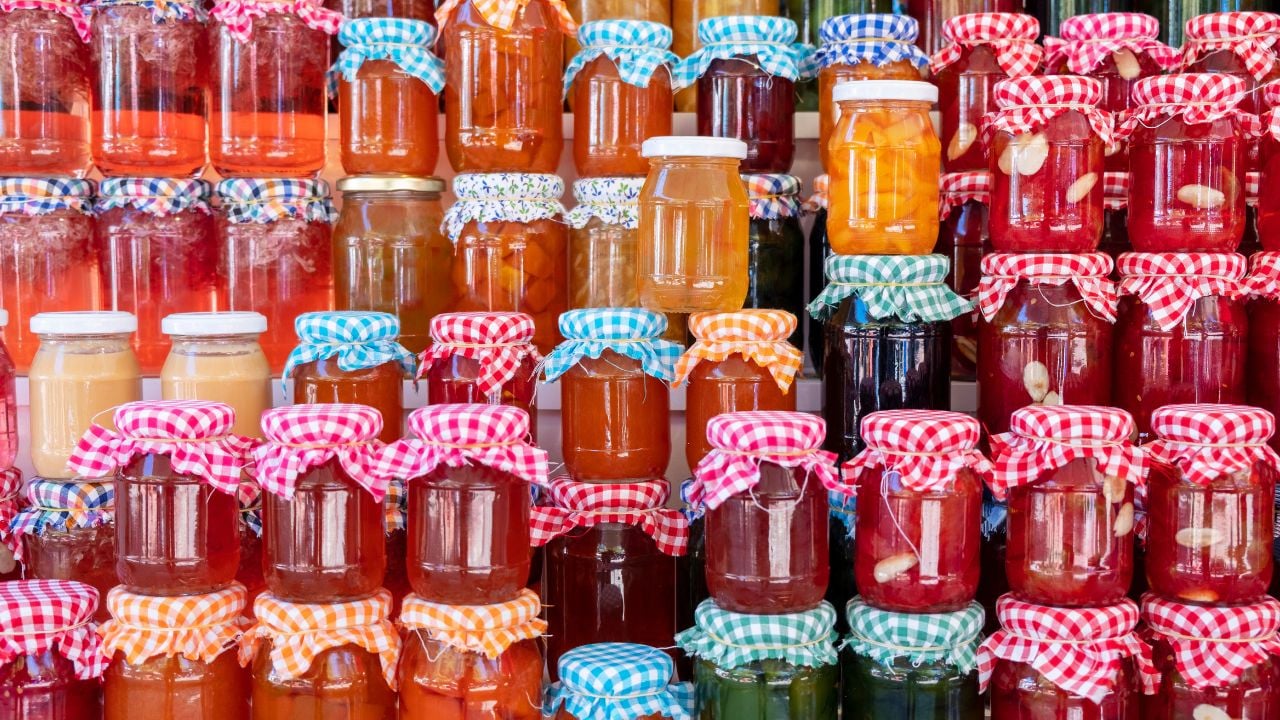
2. Jam and Jelly
Jam, jelly and preserves are all on the short list of foods you can make in a home kitchen and sell at a fair.
Labels are the catch.
North Carolina requires a label on food that’s packaged for self-service sale, and jars that shoppers pick off your table themselves fit that description.
It shows the product name, your name and address, and the net weight in ounces or pounds and in grams, with ingredients listed from the biggest amount to the smallest.
The only exemption is for food sold on demand directly to the shopper.
The page gives examples of on-demand sales but no formal definition, so confirm with the Department of Agriculture and Consumer Services before you skip the label.
Ingredient information still has to be available when a shopper asks.
3. Canning
Your canning shelves split in two when you sell, and low-acid canned foods, such as jarred vegetables, are on the state’s not-permitted list for home kitchens.
Jarred low-acid vegetables stay home.
Pickles sit on the other side of that split.
The Department of Agriculture and Consumer Services asks to hear from anyone planning to make pickles or other acidified foods for sale.
NC State Extension adds that pickles need laboratory testing before you can sell them.
What Passing the Home Processor Inspection Gets You
Passing the state’s home processor inspection leaves you with an inspection report and a Notice of Inspection, and no permit is issued.
If you plan to have sales, a Sales and Use Tax number is required.
4. Fudge and Candy
Fudge, other candy and freeze-dried candy are all on the state’s home-kitchen list, but the kitchen itself has to qualify.
It has to be the kitchen inside your house.
A separate location such as a garage or basement won’t qualify and is treated as a commercial business.
The state rule that follows your fudge to the fair is about where you cook it.
5. Jar Mixes
Dried mixes are on the state’s allowed list, so the soup, cookie and hot cocoa mixes you layer into jars qualify for sale from a home kitchen.
Allergens go on the jar, either in the ingredient statement or in a “Contains” statement.
Refrigerated and frozen products are on the not-permitted list, so dry is the line between a jar mix you can sell and a chilled or frozen dough you can’t.
6. Quilts and Sewn Pillows
Quilts and sewn pillows fall under the state’s bedding law, which lists pillows, decorative pillows and comforters as bedding.
Bedding has to carry a tag that shows the filling and a state registration number.
The law’s definition of “mattress” leaves out quilts and comforters made mainly by hand sewing or stitching in a home or community workshop.
Pillows aren’t mentioned.
If you sew pillows or comforters to sell, ask the state’s Sleep Products section whether your work needs a registration number.
The mattress definition names hand-stitched quilts, which is why that question is worth asking.
7. Wreaths
Wreath making is the hobby with a state rule that starts before the first stem is cut.
North Carolina requires a permit signed by the landowner, or the landowner’s agent, to take certain wild plants from someone else’s land.
The list includes Christmas greens, American holly, white pine, red cedar, hemlock and ground pine.
That means the boughs and holly for your wreaths need the owner’s signature on a permit if you cut them from a neighbor’s woods.
Get that signature first.
Sales Tax on Scarves and Hats
If you knit or crochet scarves and hats to sell at a fair, you run into North Carolina’s sales tax rules.
Every person who sells taxable items at a specialty market, such as a flea market, fair or festival, has to register with the North Carolina Department of Revenue.
That includes a person who attends a single event.
Registered vendors collect and remit the applicable sales and use tax, unless an exemption applies.
Selling tangible personal property at retail is one of the listed reasons to register, and your hand-knit hats fit that description.
Skipping registration may result in onsite collection of the tax by the Department of Revenue.
Soap and Wooden Toys
The main rules for soap and wooden toys come from federal agencies.
Soap that meets the federal definition falls under the Consumer Product Safety Commission (CPSC).
Add claims such as moisturizing or deodorizing and your bar becomes a cosmetic, which the Food and Drug Administration (FDA) handles instead.
Wooden toys you carve for children are children’s products under CPSC rules, which call for a tracking label.
That holds for small-batch makers too.
Psst! How much do you know about selling homemade goods? Take our quiz and see how many you can get right.
Quiz
Craft Fair Rules IQ
Answer these questions on the rules for selling homemade goods. We bet you can’t get them all right. Prove us wrong?
What’s the fine range for taking Christmas greens from someone’s land in North Carolina without a permit signed by the owner?
What Fair Organizers Ask For
A craft fair organizer has to collect your name, permanent address and certificate number before you sell.
The certificate has to be displayed where you sell.
If your certificate hasn't arrived yet, the confirmation page from your online application, showing your account number, can stand in.
Charlotte-area fairs add a local detail, since Mecklenburg County levied an additional 1% local sales and use tax effective July 1, 2026.
That 1% adds to the tax you collect on each taxable sale at a Mecklenburg County fair.
7 Things North Carolinians Don't Know About the Fraser Firs Grown in Their Mountains
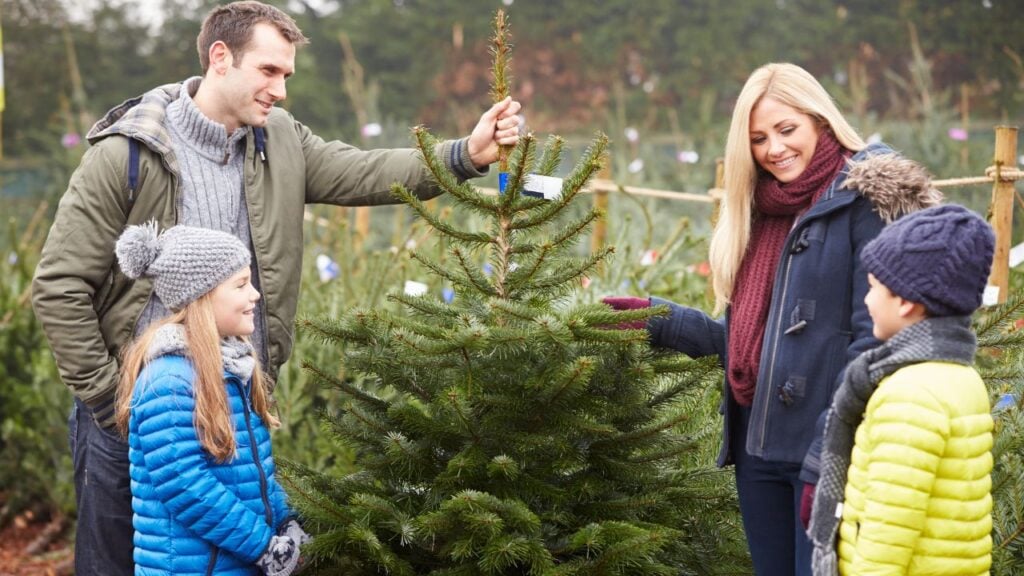
Eighth graders in Spruce Pine proposed the Fraser fir as North Carolina's official Christmas tree, and the legislature adopted it in 2005.
Here's what North Carolinians don't know about the Fraser firs grown in their mountains.
7 Things North Carolinians Don't Know About the Fraser Firs Grown in Their Mountains
10 Free Things a Library Card Gets You That North Carolinians Rarely Use

The next time your home internet goes down, your library card might be able to get you back online.
Here's what your North Carolina library card can do for you.
10 Free Things a Library Card Gets You That North Carolinians Rarely Use
