
7 Things North Carolinians Don’t Know About the Fraser Firs Grown in Their Mountains

Eighth graders in Spruce Pine petitioned North Carolina to make the Fraser fir its official Christmas tree, and it worked.
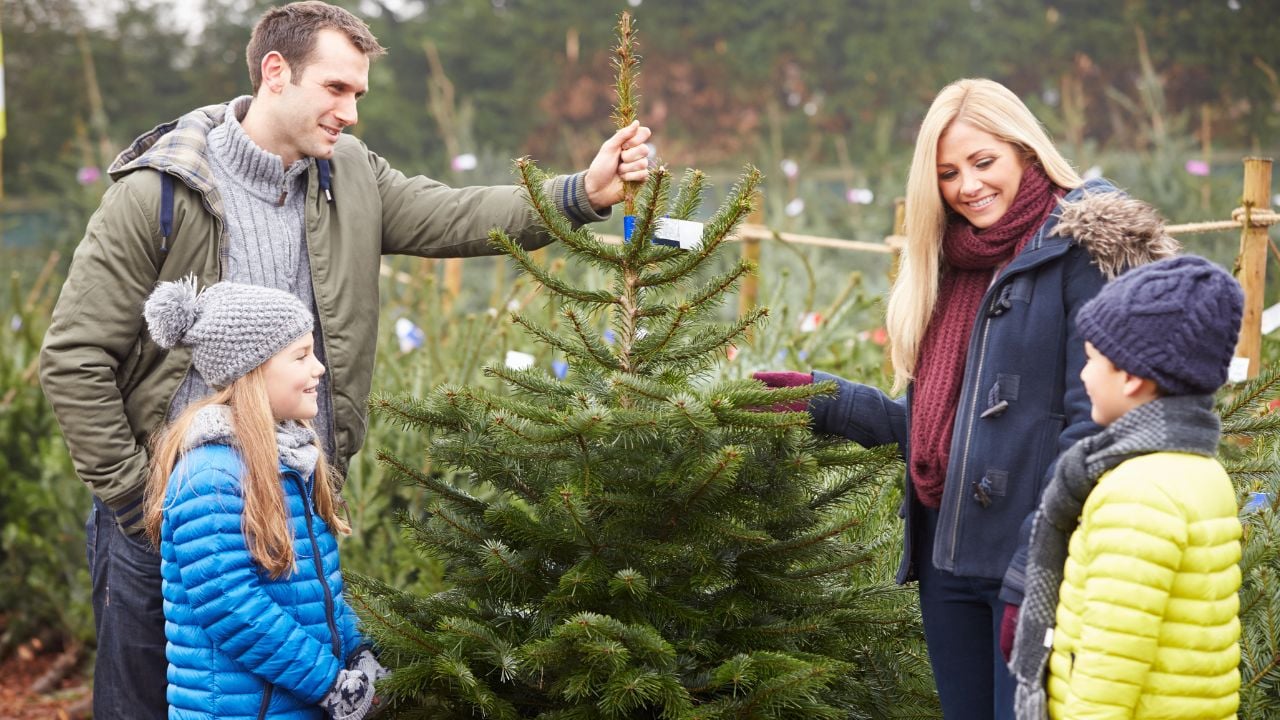
It’s a fitting honor for a tree that takes a long road to reach your living room.
Here are the things North Carolinians don’t know about the Fraser firs grown in their mountains.
1. Treetops From the Forest
Fraser fir Christmas trees started as a spin-off of the greenery business in Avery and Watauga counties, North Carolina State Extension says.
One Ashe County grower recalled cutting trees 30 to 40 feet tall in the early 1960s and taking only the top 6 to 7 feet as a Christmas tree.
Under that method, a Christmas tree like the one in your living room was only the top of a much taller tree.
2. Rare Cone Crops
Weather conditions favor a good Fraser fir cone crop only once every 5 to 7 years.
That’s a long wait if you’re a grower counting on seed.
Seeds in a Bushel of Cones
A bushel of Fraser fir cones usually yields 2 or 3 pounds of seed.
A pound of that seed has about 60,000 seeds.
That works out to roughly 120,000 to 180,000 seeds from a single bushel.
3. Over a Decade of Work
A Fraser fir seedling grows only 1 inch tall during its first growing season.
It can take five years to reach a one-foot-tall transplant.
Many growers then set about 1,600 trees on an acre.
State Extension calls harvest the culmination of the previous 14 years of work.
The harvest itself happens in 3 to 6 weeks, beginning in early November.
When you pick out a Fraser fir, you’re looking at more than a decade of waiting.
4. Farm-Grown Fraser Firs Versus Wild Ones
Fraser fir is now found naturally only at the highest elevations of Virginia, North Carolina and Tennessee.
The balsam woolly adelgid, an insect introduced from central Europe, is largely responsible for the decline of those natural stands.
The National Park Service says the adelgid has killed 90 percent of mature fir trees in Great Smoky Mountains National Park since 1962.
On a farm, growers can control the adelgid, but not in a forest.
The Fraser fir you bring home thrives on farms and struggles in the wild.
Even on a farm, though, the adelgid continues to pose a serious threat to Fraser fir Christmas tree growers in the southern Appalachians, State Extension says.
Pesticide applications never result in 100 percent control.
5. Eighth Graders and the Official Christmas Tree
Eighth graders at Harris Middle School in Spruce Pine petitioned to make the Fraser fir North Carolina’s official Christmas tree.
The General Assembly made it official in 2005.
The law’s preamble credits John Fraser, a Scottish botanist who explored the Southern Appalachians, as the tree’s namesake.
If you doubt that a classroom project can matter, this one ended up in state law.
The petition worked.
Psst! How much do you know about Christmas tree farming? Take our quiz and see if you can ace it.
Quiz
Christmas Tree Country Pop Quiz
Answer these questions on Christmas tree farming in the Appalachian Mountains. We bet you can’t get them all right. Prove us wrong?
Which botanist first described the Fraser fir in a published work in 1814?
6. Fraser Firs at the White House
The White House Christmas tree in 2023 was a Fraser fir from North Carolina, Carolina Journal reported.
That marked a record 15th time North Carolina had supplied the tree.
The tree came from Cline Church Nursery in Ashe County, which the National Christmas Tree Association had named its 2023 Grand Champion Grower.
Each year, the White House usher and groundskeeper visit the winning grower to select the Blue Room tree.
In 2024, Cartner's Christmas Tree Farm in Newland, Avery County, supplied a 20-foot Fraser fir.
You don't need a White House invitation to buy from the same mountains.
7. Breeding Better Firs
North Carolina State's Christmas Tree Genetics Program has spent decades developing elite Fraser firs.
Genetically improved seed was planted at the Upper Mountain Research Station in 2018.
Commercial cones from that planting are expected between 2026 and 2028.
Breeding a new generation currently takes 25 to 30 years.
Researchers want to cut that to about 10 years with a technique called somatic embryogenesis.
If you wonder why a better tree takes so long, a single generation of breeding explains it.
A tree you buy years from now may come from that improved seed.
Where the Trees Grow
Fraser fir makes up 96 percent or more of North Carolina's Christmas tree production, North Carolina State Extension reports.
The state's Department of Agriculture and Consumer Services lists Ashe, Avery, Alleghany, Watauga, Jackson and Mitchell as the top six producing counties.
From there, trees may travel a short distance or across the country.
No more than 600 to 800 of them fit on a full-size tractor trailer.
If you shop at a lot far from the mountains, you could still be buying from there.
Root Rot on Fraser Fir Farms
Phytophthora root rot has caused significant damage to Fraser firs.
Momi fir, a species from Japan, is highly resistant to the root rot.
9 Things North Carolinians Can't Legally Do to a Trespasser
A stranger steps onto your land, and you're not sure what to do.
Your first instinct may steer you wrong.
9 Things North Carolinians Can't Legally Do to a Trespasser
9 Crawl Space Problems That Cost North Carolinians a Sale
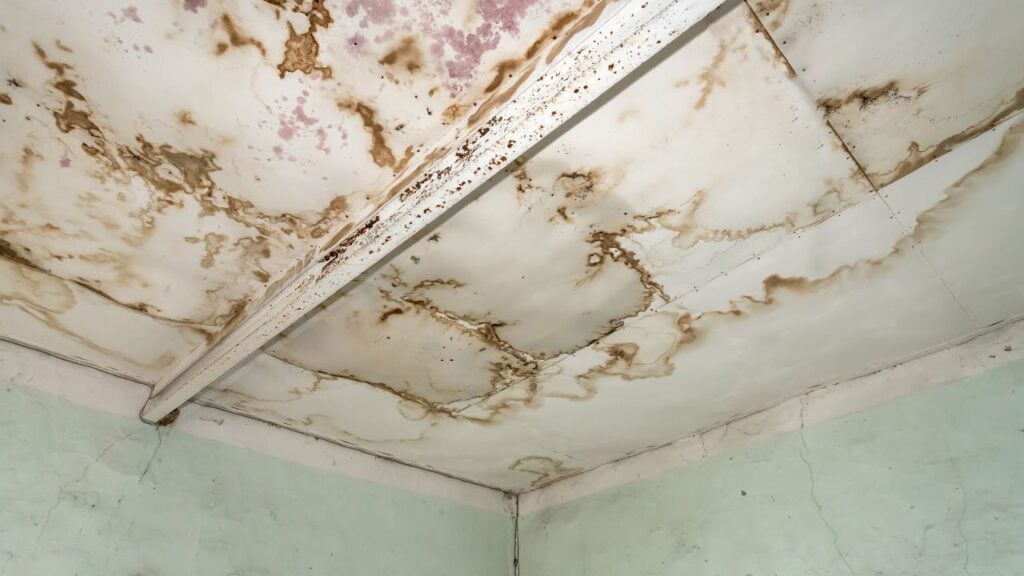
The trouble can start in a place you rarely look.
A buyer's inspector will look there anyway.
