
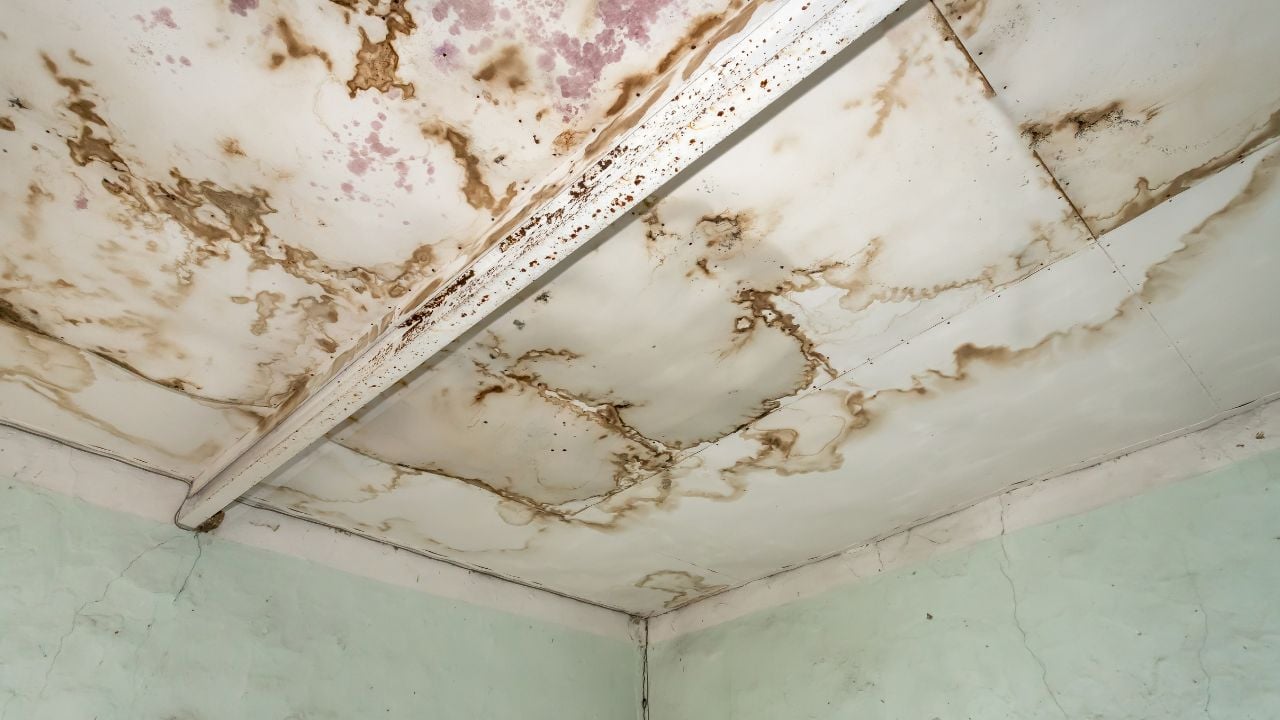
9 Crawl Space Problems That Cost North Carolinians a Sale

North Carolina’s housing market has cooled into what NC REALTORS calls a “balanced market” this summer, with statewide home sales down 13.2% from a year earlier, according to the trade group’s July 2026 report.
Buyers have room to be picky now.
A lot of that pickiness starts with a flashlight pointed under the house.
These are the crawl space problems that cost North Carolinians a sale.
Note: This is general information, not legal or home-inspection advice. North Carolina’s disclosure laws, building codes, and standard contract terms are subject to change.
1. Standing Water
The state’s standard home-sale contract gives a buyer a due diligence period to inspect a house’s crawl space for drainage problems and excess moisture, among other issues.
Find either one, and the buyer can walk away during the due diligence period with their earnest money refunded in full.
No penalty at all.
Home inspectors follow a national standard that requires them to flag any sign of active water getting into a crawl space, not just mention it in passing.
A soggy crawl space under a Charlotte-area home or a low lot near Wilmington reads the same way on an inspection report.
It’s a red flag, not a footnote.
2. Wood Rot
A crawl space with framing that touches bare soil is exactly what a home inspector is trained to write up.
The same nationwide inspection standard flags wood that touches or sits close to the ground. That contact is where rot starts.
Rot spreads fast.
Once a sill plate or a floor joist softens, the damage works its way toward the parts of the house a buyer walks on.
North Carolina law requires a seller to disclose known problems with a home’s floors and other structural components, and a softened sill plate or joist falls squarely under that category.
A soft spot under new carpet turns into a hard conversation at the closing table.
3. No Vapor Barrier
North Carolina’s building code has required a sealed vapor barrier over a crawl space’s dirt floor since 2009, and many older houses never got one installed.
Not every seller knows that.
The code calls for a plastic sheet at least six-thousandths of an inch thick, laid across the bare ground with every seam overlapped by a foot.
A separate part of the code covers fully sealed, unvented crawl spaces. Those also need a dehumidifier or a vent tied into the house’s air system to keep the closed space from turning damp.
Many crawl spaces are vented, not sealed, so that extra equipment isn’t the issue here. The missing vapor barrier is.
A missing barrier fails that code on the spot.
4. Termite Damage
The state’s home-sale contract names wood-destroying insect damage as one of the things a crawl space inspection covers.
That wording isn’t vague.
State law backs it up: A seller has to disclose any past infestation whose damage was never repaired, not just an active one crawling through the joists today.
A termite bond that lapsed five years ago won’t make old damage disappear from that disclosure.
Buyers ask for the treatment history first and the repair estimate second, and either one can stall a closing.
What North Carolina’s Due Diligence Fee Covers
A North Carolina buyer typically pays a separate due diligence fee straight to the seller when they sign a home-sale contract, and it’s different from the earnest money deposit.
The due diligence fee isn’t refundable, and the seller keeps it even if the buyer walks away over a bad crawl space.
The earnest money deposit works the opposite way: A buyer who backs out during the due diligence period gets every dollar of it back.
So the seller loses the sale, keeps a small fee, and starts the listing over.
5. Cracked Foundation Piers
North Carolina law requires a seller to disclose known problems with a home’s foundation, the masonry piers and block walls that hold a crawl space up.
That disclosure isn’t optional.
A shifted pier or a bowed block wall isn’t cosmetic, and a structural engineer’s repair estimate can run into five figures.
A buyer’s lender tends to notice the same crack a home inspector circles in red.
The lender and the inspector rarely reach different conclusions about it.
Psst! How much could your crawl space cost you at sale? Run through this 10-point check and see where you stand.
6. Sagging Floors
A crawl space with cut, notched, or bored floor joists can turn into a sagging floor a buyer feels through their shoes.
Feet notice before eyes do.
The same inspection standard that flags wet wood also flags framing that’s been cut or bored enough to weaken it.
A previous owner running new plumbing or ductwork through a joist is a common way that damage happens, and sellers rarely fix it before the house changes hands.
That same disclosure law names a home’s floors among the structural components a seller has to report. A sagging floor isn’t something a listing can leave off the paperwork.
Buyers notice a bounce in the kitchen floor at the open house, not after closing.
7. Hidden Mold
A humid crawl space with a bare dirt floor is exactly the kind of place the EPA says hidden mold grows best.
Nobody has to see it to smell it.
Moisture under the house doesn’t stay there, and the agency notes it can move into the rest of the home through cracks in the floor above.
A musty smell on a showing is a fast way to lose a buyer’s interest before they even reach the kitchen.
Nobody offers on a smell.
8. Rodent Gaps
An open crawl space gap between a home’s foundation and the ground is one of the main places the CDC says rodents get inside.
Mice don’t need much room.
The agency recommends sealing that gap with flashing around the base of the house, along with any opening around a crawl space vent or a floor air duct.
A home inspector who spots droppings, gnawed insulation, or a chewed wire writes it down, and a buyer’s next call is usually to a pest company for a quote.
That quote becomes a bargaining chip.
9. Leaky Ductwork
Ductwork strung through a crawl space often leaks air the homeowner already paid to heat or cool.
It leaks into the dirt.
The Department of Energy found that a 2.5-ton cooling system loses a quarter ton of cooling when just a tenth of its duct air leaks into an unconditioned crawl space.
The system runs longer to make up the difference, and the higher bill shows up long after the seller has moved out.
A buyer’s inspector flags a duct with visible gaps, and a utility bill history can back up the complaint at the negotiating table.
More Leverage for Buyers
Buyers have more leverage over a bad crawl space report than they had a year ago.
NC REALTORS called the state’s housing market a “balanced market” in its July 2026 report.
That same report put statewide home sales down 13.2% from a year earlier, active listings up 6.2%, and inventory at 6.03 months statewide.
More listings, more comparisons.
A survey of nearly 1,000 recent homebuyers by Porch found that close to half of them negotiated a lower price after an inspection turned up problems, saving $14,000 on average.
A pressurized duct test measures crawl space leakage instead of a guess. The same Department of Energy guide sets a limit: No more than 4 CFM25 per 100 square feet of floor area, or 40 CFM25, whichever is bigger.
A number that high doesn’t stay a hunch in a negotiation. A buyer’s HVAC contractor can hand over that test result at the table instead of describing a draft they felt in one room.
8 Flood Insurance Rules North Carolina Homeowners Find Out About Too Late
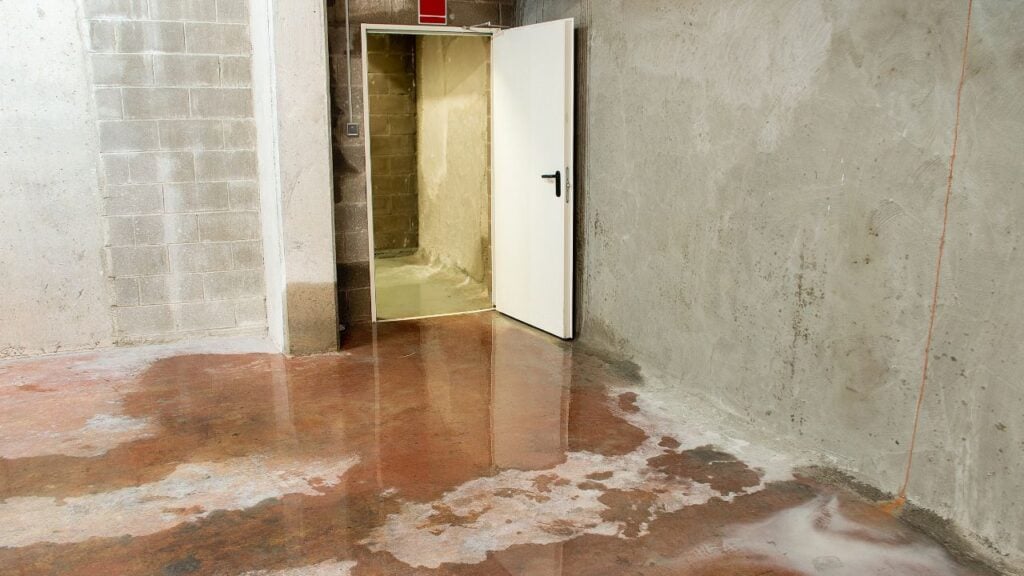
One inch of standing water inside a North Carolina home can run past $25,000 in damage, according to FEMA.
Much of that repair bill collides with what a homeowner’s flood insurance policy covers, and not always in the buyer’s favor.
8 Flood Insurance Rules North Carolina Homeowners Find Out About Too Late
10 North Carolina Dumpster Finds That Are Illegal to Take
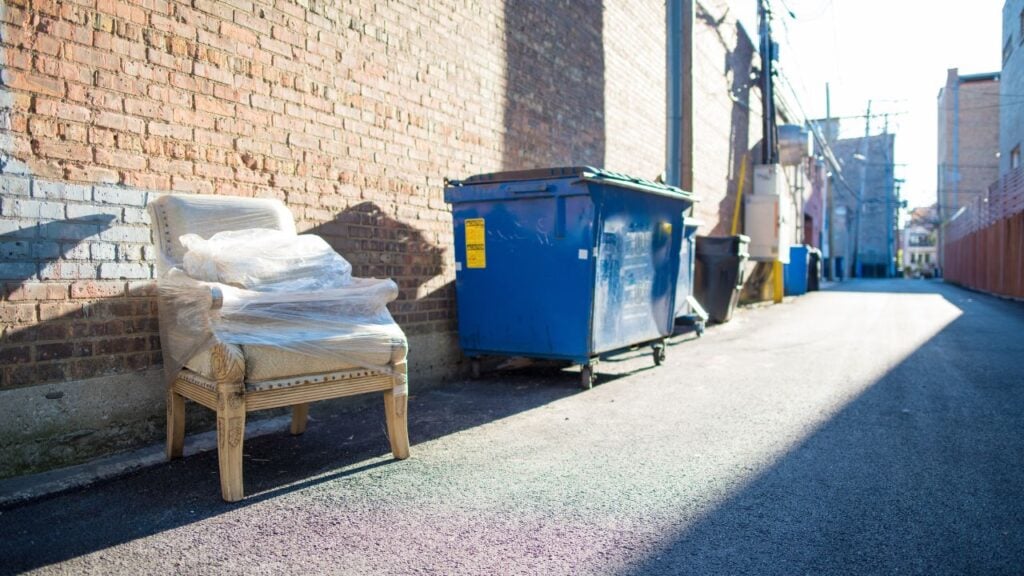
North Carolina can charge illegal dumping as a Class I felony.
The law also has plenty to say about what a person can legally pull back out of a dumpster.
