
8 Flood Insurance Rules North Carolina Homeowners Find Out About Too Late

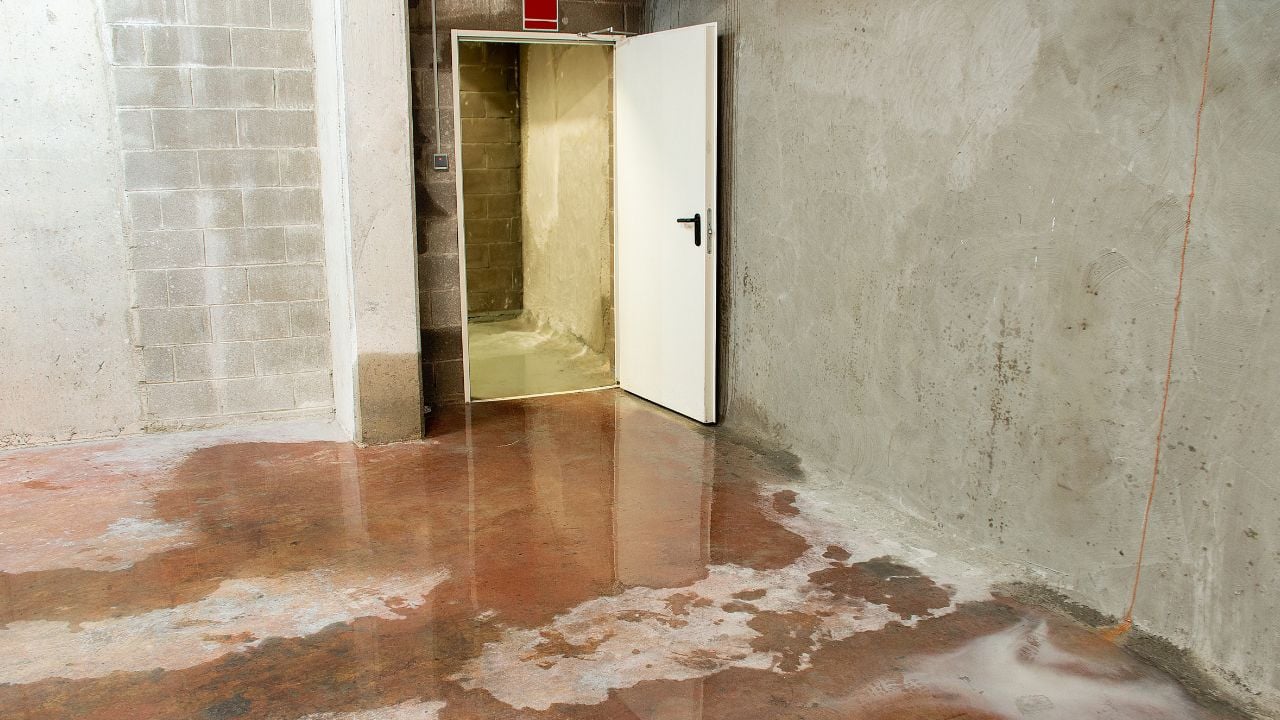
Five inches of standing water inside a North Carolina home can run past $25,000 in damage, according to FEMA.
Often, much of that repair bill collides with a homeowner’s flood insurance policy.
These are the flood insurance rules North Carolinians find out about too late.
Note: This is general information, not insurance advice. Flood coverage, program rules, and dollar limits are subject to change, so check the specifics of any policy with your insurer or agent.
1. 30-Day Wait
A North Carolina flood policy doesn’t protect anything on the day you buy it.
Federal rules build in a 30-day wait before a new National Flood Insurance Program (NFIP) policy takes effect. That clock runs the same whether the sky is clear or a storm is already spinning offshore.
By then, it’s too late.
A homeowner who waits until the forecast turns ugly to call an agent ends up with a policy that sits idle while the water is still rising.
There’s more than one shortcut. The wait disappears when the policy is bought to satisfy a mortgage lender at closing, or when an existing policy simply adds coverage at renewal.
It also shrinks to a single day when FEMA remaps a home into a high-risk zone and the policy is bought within 12 months of that new map.
That gap matters more in North Carolina than in many states. A University of North Carolina study found that 43% of the buildings that flooded across the eastern part of the state between 1996 and 2020 sat outside FEMA’s mapped flood zones.
A flood doesn’t stop at the map’s edge.
2. Building vs. Contents Policies
Flood insurance in North Carolina splits into two separate purchases, building and contents, and many homeowners only learn that once a claim comes back short.
The NFIP’s standard Dwelling Form covers up to $250,000 for the structure itself and up to $100,000 for the belongings inside it, sold as two coverages with two separate premiums.
Buy only the building side, assuming it covers what’s inside, and a flooded living room full of furniture, electronics, and clothing gets nothing back.
Contents need their own coverage.
Renters run into this from the other direction, since they generally have no reason to buy building coverage on a house they don’t own, but they can still add contents coverage on their own.
Skip it, and a flooded apartment’s furniture and electronics belong to nobody’s policy.
3. The Barely-Counted Basement
Flood insurance treats a North Carolina basement, along with any room below the lowest elevated floor, as its own limited category. Many homeowners find that out the hard way.
The building side pays for structural and mechanical basics: The furnace, the water heater, the sump pump, the electrical panel, and unfinished, untaped drywall.
It doesn’t pay for finished flooring, finished walls, or paneling down there. It doesn’t pay for the couch, the television, or the boxes stored on that floor either.
A finished rec room reads like the rest of the house.
The policy doesn’t see it that way.
Damage adds up fast down there too, since the Federal Emergency Management Agency (FEMA) puts the cost of just five inches of standing water at more than $25,000, and a basement rarely stops at five inches.
4. 72-Hour Seepage Clock
Water seeping through a North Carolina basement’s walls or floor feels like flood damage to the homeowner standing in it, but seepage and flood damage aren’t the same claim more often than not.
A standard homeowners policy already excludes basement seepage entirely, and North Carolina’s insurance regulator says no add-on exists to cover it.
Flood insurance can pick up that same seepage, but only under a narrow three-part test.
There has to be general flooding in the area, and the flood has to be the actual cause of the seepage. The damage also has to show up within 72 hours after the water recedes.
Seep in on day four: The claim is already in trouble.
On top of that, the home has to be insured to at least 80% of its value for that seepage payout to apply in full.
What “Insured to 80%” Means in Dollars
A flood policy’s “insured to 80% of value” line is a math test, not a warning label.
Take a North Carolina home worth $300,000 to rebuild.
The building coverage on that home needs to sit at $240,000 or higher for a seepage claim to get the full payout the seepage rule allows.
Buy less coverage than that, and the seepage payout can shrink even when every other condition of the 72-hour rule is met.
5. Contents’ Old-Value Payout
A flood claim on a North Carolina home’s belongings pays out at actual cash value. That rule has no exceptions.
The Federal Emergency Management Agency’s (FEMA) own guidance to flood insurance agents spells it out in plain terms: The policy pays personal property at its value on the day of the damage, not its original price. It offers no way to buy full replacement value for contents.
A five-year-old sofa doesn’t reimburse like a new sofa would.
Homeowners insurance often lets a buyer add replacement-cost coverage for contents, so a flood policy’s stricter payout catches people who assume the two work the same way.
They don’t.
Psst! How much do you know about flood insurance? Take our quiz and see how many you can get right.
Quiz
Flood Insurance IQ
Answer these questions on flood insurance history, rules, and money you might be missing. We bet you can’t get them all right. Prove us wrong?
About how much did National Flood Insurance Program payments for Hurricane Florence damage in North Carolina add up to, according to FEMA?
6. The Detached Garage's Shared Limit
A detached garage on a North Carolina flood policy sounds like a bonus, but it isn't extra money.
The Federal Emergency Management Agency (FEMA) lets a policyholder cover a detached garage used for storage or parking.
But that coverage only comes by drawing on up to 10% of the same building coverage limit that already covers the house.
Every dollar that pays for the garage is a dollar that isn't left for the house.
It isn't a separate pot of money.
A homeowner with a detached garage full of tools and a flooded first floor can end up splitting a single $250,000 limit two ways at the worst possible time.
7. Missing the Lender's Deadline
Lender-required flood insurance in North Carolina runs on its own clock, separate from the standard 30-day wait.
Federal banking rules give a borrower 45 days after a lender's notice to buy flood coverage on a home the lender has flagged as needing it.
Miss that window, and the lender buys a policy on the homeowner's behalf and bills them for it, backdated to the day the required coverage lapsed.
The homeowner has no say.
That force-placed policy usually protects only the lender's interest in the structure, not the homeowner's belongings inside it, so it settles the bank's risk without doing much for the family living there.
8. A Flood Policy for Renters Too
A renter's policy in North Carolina does nothing for flood damage, and many tenants only find that out after a storm.
North Carolina's own insurance regulator confirms it: A standard tenant policy excludes flood loss completely, the same way a homeowners policy does.
Their landlord's flood policy, if a policy even exists, covers the building.
It doesn't cover the renter's furniture.
A renter has to buy contents-only flood coverage under the same NFIP program homeowners use, and it comes with the identical 30-day wait. Shopping for it during a storm watch is already too late for a first-time buyer.
A Private Option That Skips the Wait
North Carolina's approved private flood insurance option gives homeowners an alternative to the federal program's 30-day wait.
The state's own insurance regulator confirms it: That private option carries no waiting period at all, so coverage can start the day it's purchased.
There's no 30-day wait attached to it.
Private flood policies sold in North Carolina can also bundle building and contents under one deductible instead of two. Some even add coverage the federal program leaves out entirely, like paying for a hotel while repair crews fix a flooded home.
The NFIP doesn't pay a dime toward that hotel stay, no matter how long the repairs run.
Premiums and availability still come down to the individual insurer, so the trade-off is worth weighing rather than an automatic switch.
A private flood insurer settles a claim under its own process, separate from the federal program's rules.
A homeowner who never asks which set of rules applies finds out only once a claim is already filed.
9 North Carolina HOA Rules Homeowners Wish They'd Read Before Signing
Newlyweds sign the closing papers on a new build outside Cary and skim right past the thick stack tucked under the loan disclosures.
That stack is the homeowners association's (HOA) declaration and bylaws, and North Carolina law backs every page of it, from the fines a board can charge to the limit stopping it from charging more.
9 North Carolina HOA Rules Homeowners Wish They'd Read Before Signing
9 Things That Can Get Your North Carolina Driver's License Suspended (Besides Drunk Driving)

North Carolina doesn't need drunk driving to suspend a license.
A judge handling a case with no car anywhere in it can still end with a suspended license, and these are the triggers that never involve a breathalyzer.
9 Things That Can Get Your North Carolina Driver's License Suspended (Besides Drunk Driving)
