
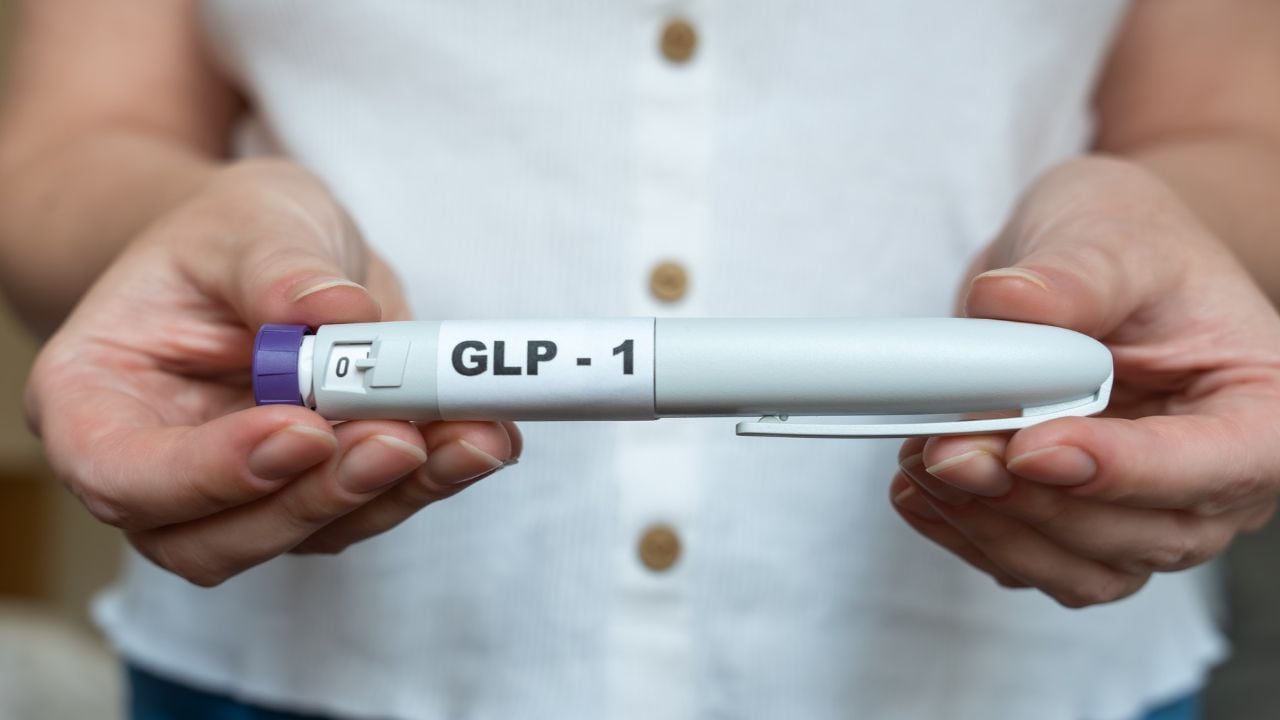
GLP-1 ‘Supplements’ Are All Over Florida Store Shelves. 5 Things Shoppers Should Know Before Buying One

The reviews on a GLP-1 supplement’s page are glowing.
But be careful. The FTC wrote a rule about reviews like those in 2024.
Here’s what Florida shoppers should know before buying a GLP-1 supplement.
Note: This is general information, not medical or legal advice. Agency guidance and rules are subject to change, so talk to a doctor about your situation.
1. Different Rules Than Drugs
The Food and Drug Administration (FDA) regulates a GLP-1 supplement under different rules than it uses for drug products.
FDA says it isn’t authorized to approve a dietary supplement for safety and effectiveness before it’s marketed.
Instead, according to FDA’s dietary supplements page, the company behind the bottle in your hand has to evaluate its safety and labeling before it goes on sale.
FDA can take action against an adulterated or misbranded supplement once it’s on the market.
A bottle that says FDA approved deserves a second look from you.
2. What the Label Must Say
The Supplement Facts panel on a GLP-1 supplement label must list the serving size and the number of servings per container.
The panel goes on to list each dietary ingredient and, for most, how much comes in a serving.
Whatever a bottle says on the front, the panel is where you check what the maker lists inside.
A label that describes how the product affects the body has to carry a required disclaimer.
FDA says a product represented as a disease treatment meets the definition of a drug.
So if a bottle promises to treat a disease, you’re reading a drug claim, and the agency regulates it that way.
What the Required Disclaimer Says
The disclaimer FDA requires on supplement labels has two sentences.
The first sentence says the statement hasn’t been evaluated by the Food and Drug Administration.
The second sentence says the product isn’t intended to diagnose, treat, cure or prevent any disease.
When you see it beside a bold claim, the agency hasn’t evaluated that claim.
3. FDA’s Tainted-Product Search
Before you buy a supplement, FDA’s page on tainted weight-loss products points to a Health Fraud Product Database that you can search by product name.
FDA says tainted weight-loss products are sometimes falsely advertised as dietary supplements, food or all-natural treatments.
It also says those products often have multiple positive reviews or are shared through social media.
The agency calls them likely to be contaminated with dangerous hidden ingredients.
FDA also says its list covers only a small fraction of the contaminated products on the market, and a product’s absence from it doesn’t mean the product is safe.
Whatever name your bottle carries, that’s the name to search.
FDA’s advice on that page is to talk to a health care professional before buying or trying a new product for your health.
4. Ban on Fake Reviews
In August 2024, the Federal Trade Commission (FTC) announced a final rule banning fake reviews and testimonials.
Praise on a product page won’t settle much for you, and FDA’s tainted-product page says contaminated weight-loss products often have multiple positive reviews.
The rule covers reviews by people who don’t exist, including ones generated by artificial intelligence.
It also bars businesses from offering compensation or incentives tied to a review that expresses a particular sentiment.
Company insiders who post reviews have to clearly disclose their connection to the business.
The rule lets the FTC seek civil penalties against knowing violators, and you can still weigh a listing’s praise for yourself.
5. Return and Cancellation Terms
The Florida Attorney General’s advice on return and cancellation policies is general guidance for any purchase, and it doesn’t mention supplements.
That starts with the company’s return or cancellation policy and any charges, such as restocking fees.
The same page says to confirm that any money-back guarantee or shipping cost is in the sales contract.
It also says to pay by credit card when possible, since you can challenge a charge if the product never arrives.
The FTC’s subscription guidance says businesses must make canceling simple.
Before a business gets your card information, it has to tell you how to cancel.
The FTC also says to watch for pre-checked boxes and to find the terms and conditions before you sign up.
You can dispute a charge you didn’t agree to with your card company, a step called a chargeback.
Keep records of your cancellation request, and check your statement afterward.
Psst! How much do you know about shopping for supplements? Flip each card and see how many you get right.
The FTC’s Roca Labs Case
The FTC’s case against supplement marketer Roca Labs involved reviews.
The agency alleged that the company threatened to enforce gag-clause provisions to stop consumers from posting negative reviews.
The FTC also alleged that Roca Labs made baseless weight-loss claims.
The FTC also alleged that the company presented a promotional site as an objective information website without disclosing its financial ties to the site.
A federal court granted the FTC’s summary judgment request in 2018.
The order required Roca Labs to turn over funds that the FTC is using to compensate buyers.
In July 2025, the FTC said it was sending more than $409,000 to 7,481 buyers.
That took years.
Where to Complain
A complaint about a supplement purchase can go to the Florida Attorney General’s office.
If a seller ignores the terms you checked beforehand, these are the places to take it.
Its Consumer Protection Division is the civil enforcement authority for the Florida Deceptive and Unfair Trade Practices Act.
You can file online with the office’s complaint form, or print the form and mail it with copies of your paperwork, not originals.
The toll-free number within Florida is 1-866-966-7226.
FDA runs a Safety Reporting Portal for problems with dietary supplements.
FDA’s reporting page sends complaints about problematic advertising to the FTC.
Questions about reporting a supplement problem can go to FDA’s Food and Cosmetics Information Center at 1-888-723-3366.
Florida Landlords Don’t Have to Fix the AC. 6 Things They Do Have to Fix

Some repairs land on your landlord, and some land on you.
Florida renters might be surprised which is which.
Florida Landlords Don’t Have to Fix the AC. 6 Things They Do Have to Fix
9 Publix Return and Rain Check Rules Floridians Don’t Know They Can Use
You may be able to do more at Publix than you think.
The details are worth knowing before your next trip.
9 Publix Return and Rain Check Rules Floridians Don’t Know They Can Use
