
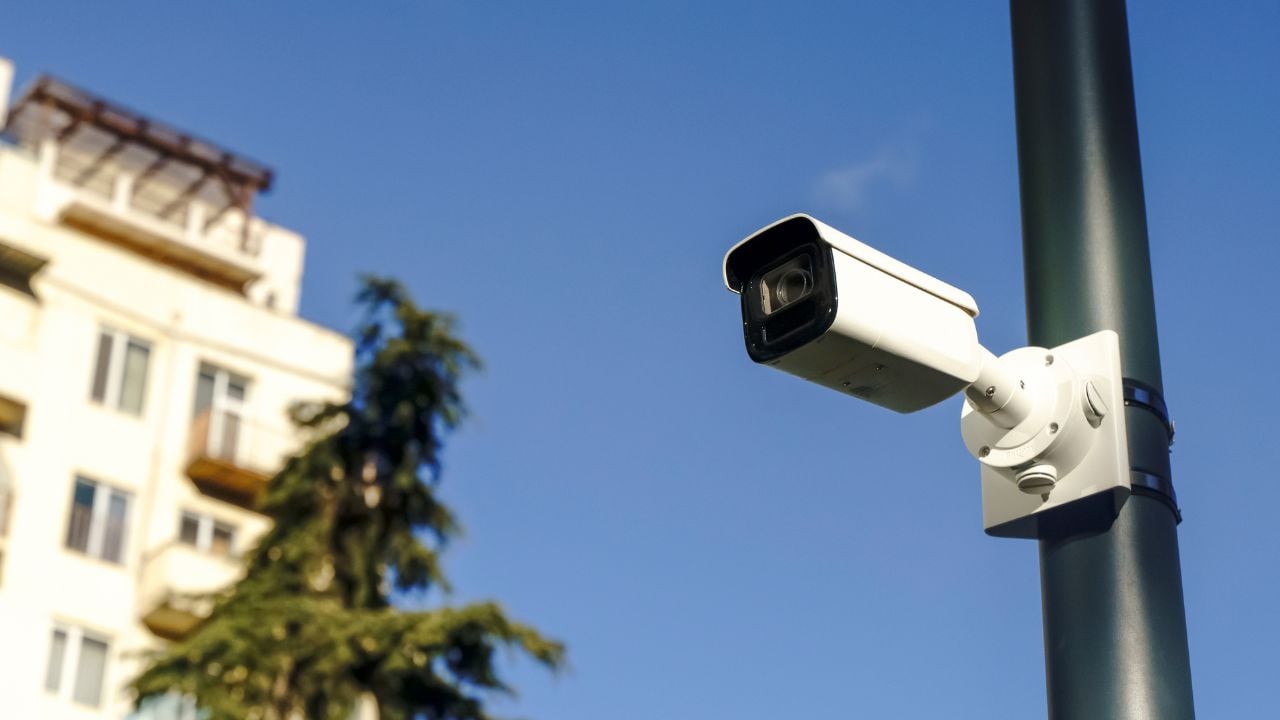
6 Florida School Zone Camera Rules Behind the $100 Notices Showing Up in Mailboxes

A $100 notice from a school zone camera lands in your mailbox.
What you do in the weeks after it arrives is crucial.
Here are the Florida school zone camera rules behind the $100 notices showing up in mailboxes.
Note: This is general information, not legal advice. School zone camera rules and penalties are subject to change, so confirm the current details with the county or city that sent your notice or the Florida Department of Highway Safety and Motor Vehicles.
1. Local Ordinance First
School zone cameras can’t go up in a Florida county or city until it passes an ordinance.
Before that vote, the county or city holds a public hearing and weighs traffic data or other evidence.
Then it has to find that the school zone is a heightened safety risk that warrants extra enforcement.
Once the ordinance passes, the county or city can hire a vendor to place and install the cameras.
Nothing is automatic.
House Bill 657 took effect July 1, 2023.
If a camera sits on your route, a local ordinance and a public hearing put it there.
2. Fixed Statewide Fine
A school zone camera notice costs $100 anywhere in Florida.
The state fine schedule sets that amount.
The notice starts at more than 10 miles per hour over the limit, and the price stays $100 no matter how much faster you were going.
Officers write a different ticket.
The camera law doesn’t stop an officer from writing you a ticket, either.
State law doubles the regular speeding fine in a school zone when an officer writes the ticket.
So if an officer clocks you 10 to 14 miles over, the standard fine schedule’s $100 becomes $200.
3. Properly Marked Zones
A road has to be properly maintained as a school zone before a school zone camera can enforce it.
Signs are part of that.
The school zone law requires uniform signs that show the hours the lower speed limit is enforced.
A flashing beacon can replace the posted hours.
The Florida Department of Transportation maintains zones on state roads.
The county takes county roads outside cities, and the city takes streets inside its limits.
Sheriff’s offices and city police departments inspect the zones in their areas from time to time.
The law presumes a zone that follows those rules is properly maintained.
That presumption is rebuttable, so you can challenge it if you dispute a notice.
Psst! How much do you know about Florida’s school zones and school buses? Take our quiz and see if you can ace it.
Quiz
School Zone Smarts
Answer these questions on Florida’s school zone, school bus and crossing rules. We bet you can’t get them all right. Prove us wrong?
An officer cites you for passing a school bus on the side where children get on and off. What’s the base fine?
4. Hearing Before You Pay
You have 30 days from the notice to ask for a hearing on a school zone camera notice instead of paying.
The county or city can't require a payment or fee before that hearing.
Your notice has to include, or point you to, details on the hearing right, its costs and a request form.
Charlotte County posts its hearings on the county calendar.
A special magistrate runs them at the Administration Center in Port Charlotte.
Testimony at the hearing is under oath and recorded.
Formal rules of evidence don't apply.
The camera's photos and speed data count as evidence that the car named in the notice was speeding, though you can rebut it.
If you challenge the violation, you give up any argument that the notice never reached you.
The final order arrives by first-class mail.
If you disagree with it, you can appeal.
What a Lost Camera Hearing Costs
A school zone camera hearing that goes against you costs more than the $100 notice.
The hearing officer can add county or city costs of up to $250 on top of the penalty.
You can still cancel before the hearing starts by paying the penalty plus administrative costs.
5. Certified Mail Citations
If 30 days pass with no payment, no hearing request and no affidavit, a school zone camera notice turns into a uniform traffic citation.
An affidavit is a sworn statement, for example, that someone else had your car or that an officer already cited the driver.
The county or city then sends the citation to the registered owner by certified mail.
It won't go away.
Delivery of the citation counts as notification.
When two people own the car, it sends the citation to the first name on the registration.
If that first name is a business, the county or city may use the second name instead.
If you name another driver, it may send the notice to that person.
That person then has 30 days to file an affidavit saying they didn't have the car.
If you file an affidavit, make sure it's true.
A false affidavit is a second-degree misdemeanor.
6. 90-Day Destruction Deadline
The photos and video behind your school zone camera notice don't stay on file forever.
Florida law gives the camera program 90 days after your case ends to destroy the photos and video of your car.
The vendor that runs the camera has to tell the county or city in writing by December 31 each year that the records were destroyed.
Counties and cities also can't use a school zone camera for remote surveillance.
Registered owner information isn't the vendor's property.
The vendor may use it only for the camera program.
Charlotte County's Rollout
Charlotte County runs its school zone cameras under House Bill 657, according to its program page.
The county ended its warning phase on April 1, 2026.
Since then, registered owners get the flat $100 notice by mail about three days after the violation.
The cameras operate only on school days.
Hours differ by school.
If you get a notice there, you can pay online or at a kiosk at the county's Public Works facility in Punta Gorda.
The county says the program doesn't rely on taxpayer funding and runs on the money from paid violations.
8 Golf Cart Rules Floridians Break in Their Neighborhoods

A golf cart feels like the easiest way to get around a neighborhood.
In Florida, a golf cart generally can use only the county roads and city streets that local governments have designated.
8 Golf Cart Rules Floridians Break in Their Neighborhoods
10 Things Florida Neighbors Can Report You For That Are Perfectly Legal

A neighbor spots your clothesline and reaches for their phone.
These are the things Florida neighbors can report you for even though they're perfectly legal.
10 Things Florida Neighbors Can Report You For That Are Perfectly Legal
