
7 Things South Carolinians Can Be Fined for in Their Yard

It’s a free country, people like to say, especially when they’re standing in their own yard.
It mostly is.
But your own yard isn’t a free-for-all, either.
These are the things South Carolinians can be fined for in their yard.
Note: This is general information, not legal advice. Penalties and local ordinances vary by county and town and are subject to change.
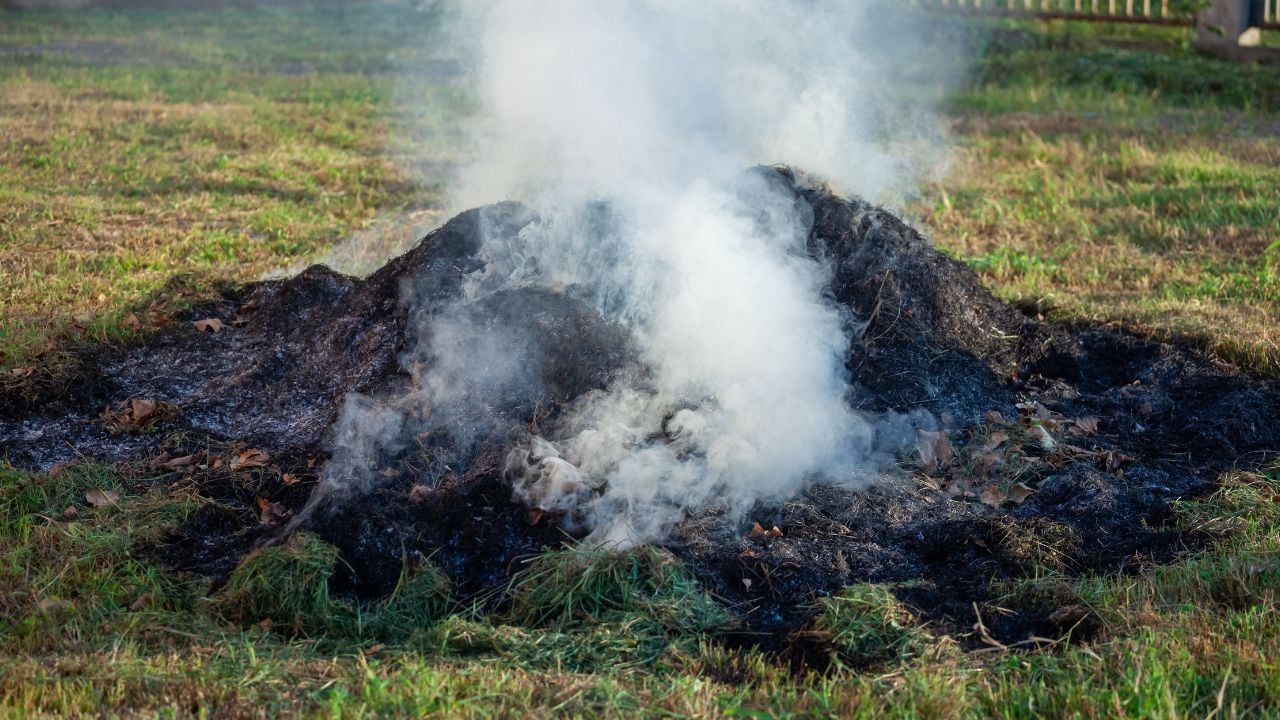
1. Burn Piles Without Telling the Forester
If your yard sits outside a town or city, the State Forester has to be told before you light a burn pile.
State law covers any fire in or near woodland, brush, grass, a ditch bank or a hedgerow.
You have to notify the forester first, clear around the area and stay with the fire until it’s under control.
Renting? The same law expects you to have the landowner’s authorization before you burn.
A first offense is a misdemeanor, with a fine of up to $200 or up to 30 days of imprisonment.
That’s a criminal charge.
When the governor declares a forest-fire emergency, state law says no burning goes ahead.
The State Forester can also ban all open burning, campfires and bonfires included, whenever public safety calls for it.
Inside a town or city, that state notice rule doesn’t apply, and some towns ban outdoor burning altogether, so check with yours before you light anything.
2. Tall Weeds
Letting your yard grow wild can mean a fine in unincorporated Charleston County.
The county’s code bars weeds and overgrown vegetation on improved lots in residential or commercial areas.
Pull out a ruler.
Dense, uncultivated growth over 10 inches high counts as weeds.
Whether anyone lives there doesn’t matter, so an empty house’s yard needs mowing like any other.
Land that’s still undeveloped, though, can stay in its natural condition.
The county sends a notice first, and ignoring it is a misdemeanor charge.
Its listed penalties run to a fine of no more than $1,092, up to 30 days of imprisonment and at least 20 hours of community service.
All of that applies only in unincorporated areas, and the county says its rules don’t override a city’s or town’s, so inside municipal limits, ask your town.
3. Outdoor Lights During Turtle Season
A floodlight on your beachfront home can pull sea turtle hatchlings off course, which is why coastal counties and towns have lighting ordinances with fines.
On Hilton Head Island, the town asks you to turn off your outside lights at 10 p.m. from May 1 through October 31 if your building is visible from the beach.
If your interior lights are visible from the beach or cast light on it, the town says to close your blinds or drapes at 10 p.m.
The state Department of Natural Resources says violating a local or county lighting ordinance carries fines up to $500.
Those rules come from counties and towns, not one statewide law, so check yours before you flip the switch.
8 South Carolina Laws Visitors Break Without Realizing It
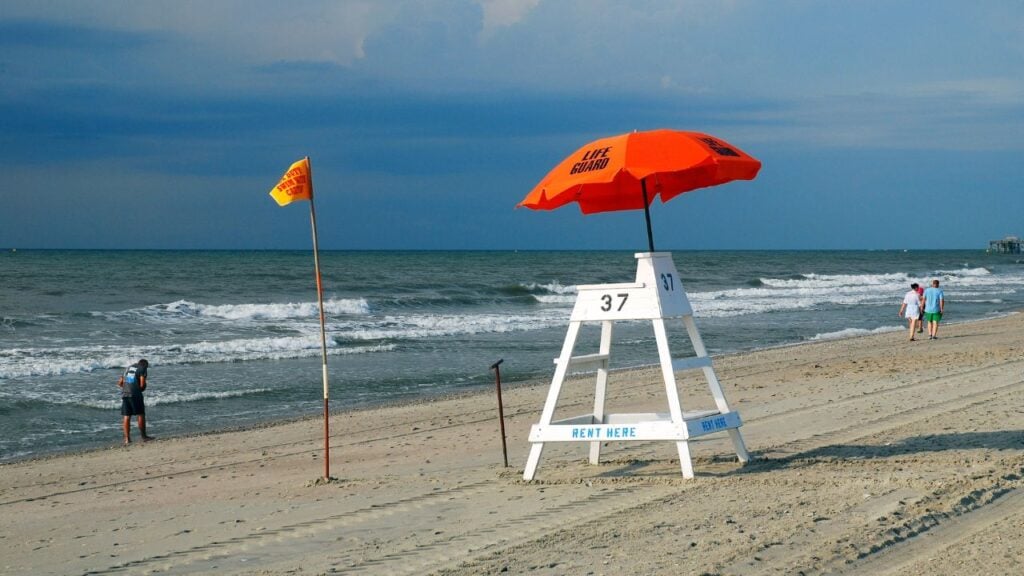
A seafood dinner, a rented golf cart and a ride home after dark sound like a perfect evening.
Depending on where that ride happens, it can end in a ticket.
8 South Carolina Laws Visitors Break Without Realizing It
4. Cutting Down a Grand Tree
Cutting down the wrong tree without a permit can mean a fine in unincorporated Charleston County, so measure before you take a saw to it.
A Grand Tree is any tree with a diameter at breast height of 24 inches or greater, and pines and sweet gums don’t count.
Measure across the trunk at about chest height before you decide yours doesn’t qualify.
The county prohibits removing one unless a Grand Tree Removal Permit is issued, and a permit may be approved if the tree is dead, diseased, dying or a hazard.
A tree that’s simply in your way isn’t on that list.
The county’s flyer on avoiding a fine lists removing Grand and Protected Trees without a permit among the common violations.
It calls any violation of the zoning code a misdemeanor.
State law ties county ordinance penalties to the range of a magistrate’s court, which handles offenses punishable by up to $500 or 30 days of imprisonment.
That’s a ceiling for county ordinances, not a price tag for a tree.
The county asks you to contact its Zoning & Planning Department before you remove or encroach upon any tree on your property.
The chainsaw can wait.
Psst! How much do you know about your yard’s dos and don’ts? Take our quiz and see if you can ace it.
Quiz
Yard Rules IQ
Answer these questions on South Carolina yard rules, from weeds and lights to burning and fireworks. We bet you can’t get them all right. Prove us wrong?
According to South Carolina’s Department of Natural Resources, local and county sea turtle lighting ordinances carry fines of up to how much?
5. Junk and Standing Water
Live 5 News reported in 2019 that trash, discarded furniture or standing water in a Berkeley County yard could bring a $500 fine.
County code enforcement there covered only unincorporated areas.
Yes, the couch you've been meaning to haul off would count as discarded furniture.
Back then, an officer who believed a violation existed left a door hanger.
That was the warning.
From that hanger, you had 30 days to fix the problem before being cited and 60 days in all before you owed the fine.
6. Fireworks in Posted Zones
A posted fireworks ban at the edge of a lot isn't just a polite request in South Carolina.
State law lets an owner, a lessee or a condominium association's governing board create a Fireworks Prohibited Zone by filing an agreement with local law enforcement and posting signs.
After that, it's unlawful to knowingly and willfully discharge fireworks from, in or into the zone, even when you launch them from your driveway into a posted lot next door.
The most a first offense can cost you is a $100 fine or 30 days of imprisonment, but it's still a misdemeanor.
State law allows a prosecution only if the owner posted the property as required, so those signs are what make the ban count.
Look for the signs.
7. Garbage in a Burn Barrel
Trash doesn't belong in a burn barrel, and South Carolina treats burning it as illegal everywhere in the state.
State rules ban open burning unless an exception applies.
One exception covers leaves, tree branches and yard trimmings from your home, as long as you burn them there.
Garbage isn't one of them.
The state's list of materials you can't open burn also includes plastic, tires, cardboard and treated wood.
A violation of a state rule can bring a civil penalty of up to $10,000 for each day it continues.
6 Oyster Rules That You Can Be Fined For in South Carolina

A weekend on the oyster beds sounds simple enough.
It's easy to slip up on a long weekend, and the slip can get expensive.
