
3 Wild Animals Marylanders Can Be Fined for Feeding

Somewhere in every park or backyard, there’s an animal that has perfected the look of a creature who hasn’t eaten in days.
Giving in feels like good manners, which is exactly why it’s so easy to do.
These are the wild animals Marylanders can be fined for feeding.
Note: This is general information, not legal advice. Park rules and fine amounts are subject to change.
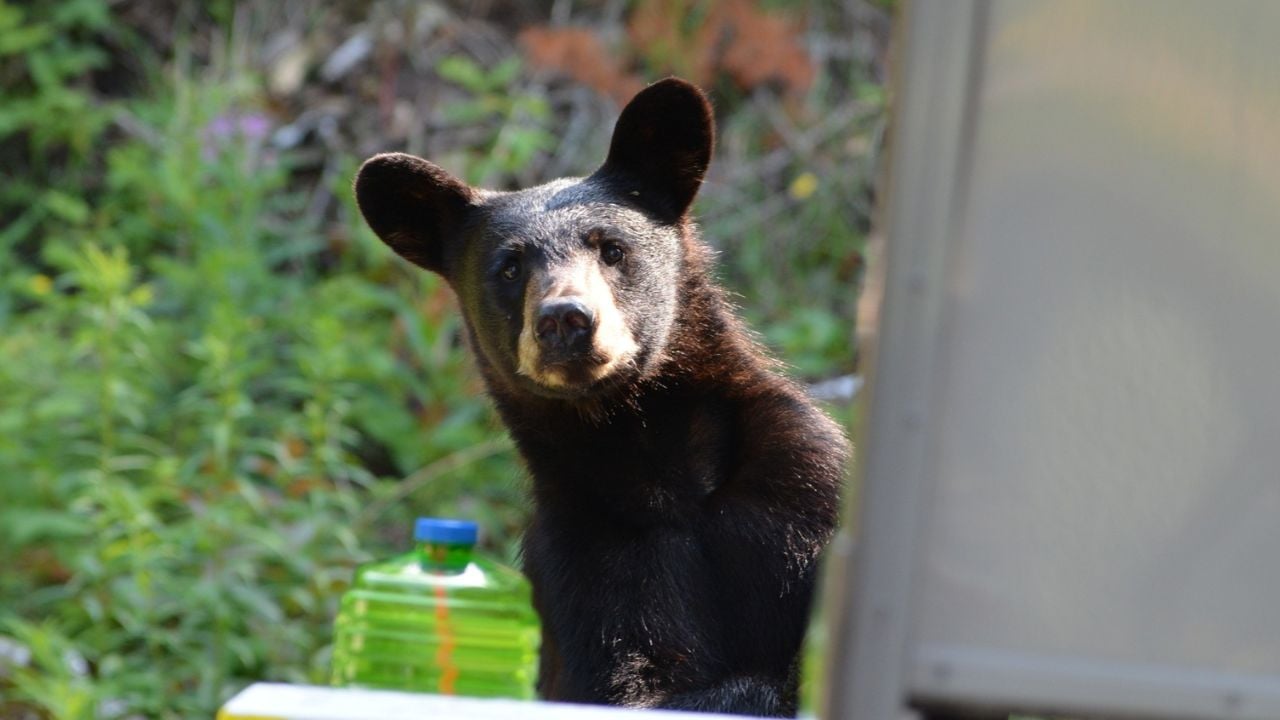
1. Black Bears
The Department of Natural Resources (DNR) says it’s illegal to feed a black bear in Maryland.
That rule covers even a well-meant handout, like half your sandwich.
Leaving food out is covered too, since a state regulation bars you from putting crops, carcasses or other food products where bears could gather.
Ignore an officer’s request to clear the food away, and that regulation lets them cite you.
If a citation turns into a misdemeanor conviction under the state’s wildlife law, the fine can reach $1,500 for a first offense.
2. Assateague’s Wild Horses
Feeding one of Assateague’s wild horses at the state park can cost you up to $500 the first time.
The state park bans touching or feeding any wildlife, and citations are issued when visitors are seen doing it.
The park asks you to stay at least a bus length away, about 40 feet.
Depending on the circumstances, even that can be too close.
Snacks stay in your bag.
3. Geese and Other Waterfowl
At Montgomery County parks, feeding the ducks breaks the rules, since the park system prohibits feeding geese and other waterfowl.
The same rulebook bars you from feeding any wildlife on park property, so the squirrel eyeing your picnic table is covered too.
If you break that rule, you can get a civil citation with a fine of up to $50 the first time.
Rules That Change by Park
The fine you face for feeding wildlife depends on whose rulebook you’re standing under.
The state park rule that protects Assateague’s horses applies in every Maryland state park.
It covers any wildlife, so you can’t feed geese or ducks there either.
If you’re convicted of a second violation within two years, the state’s parks law allows a fine of up to $1,000, up to a year in jail, or both.
A court can add its costs on top of the fine either way.
Carroll County’s park code bans giving any wild animal, reptile or bird any substance, unless the park manager says otherwise.
The penalty sits in a separate section of the county code.
Federal Rules at Assateague
If you’re at Assateague Island National Seashore, feeding wildlife is banned there too, horses included.
That goes for any kind of wildlife in a national park, no matter how small or familiar.
Even pulling grass from the park to hand to a horse isn’t allowed.
If you break federal park rules, you can face up to six months in jail, a fine or both.
What the Ticket Costs
The $500 and $1,500 feeding fines are maximums.
Maryland’s District Court fine schedule sets a $250 fine for leaving food out for bears, which you can pay without contesting the citation.
If you feed wildlife in a state park, the prepayable fine is $55.
Court costs are included in those amounts, but they aren’t included in the maximums.
Why the Rules Exist
The fines make more sense once you see what a handout does to the animal and to you.
A bear that links people with food can lose its natural fear of people.
Feeding a bear is dangerous for you and for the bear.
Assateague’s horses seem harmless and even curious about you, but they do bite and kick, can carry rabies and injure visitors every year.
Even the bread you toss to the ducks isn’t nutritious for them and can harm the birds.
Handouts only encourage the birds to stay, and the problems geese cause include shoreline erosion, overgrazing and traffic hazards.
Goose droppings may contribute to algal blooms and toxic microcystin contamination.
Psst! How much do you know about wild animals and park rules? Take our quiz and see if you can ace it.
Quiz
Wild Animal IQ
Answer these questions on wild animals and park rules. We bet you can’t get them all right. Prove us wrong?
If a black bear woofs, snaps its jaws or slaps the ground near you, what is it telling you?
What to Do Instead
Skipping a feeding fine mostly comes down to keeping food out of reach, which is what DNR's fall bear advisory asks people to do.
That means bird feeders, pet food and trash belong where bears can't get to them.
Fall makes that advice matter more, since bears need to eat far more calories then than in spring and summer.
In spring, take your bird feeders down.
Songbird feeders should wait until the winter months to avoid attracting bears.
At Assateague State Park, food goes to the beach only in a cooler that's zippered or secured with a nylon strap.
If horses approach your food, you must move away.
7 Things Maryland Drivers Can Get Ticketed for That Feel Completely Legal
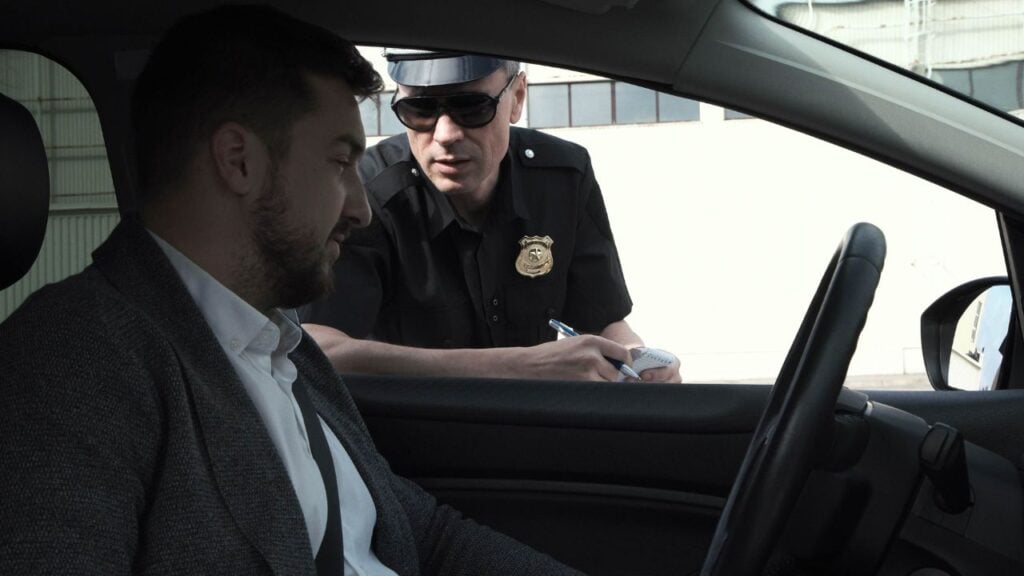
If the first snow of the season leaves a layer on your car's roof, you might brush off your windshield and head out.
But that shortcut can come with a price.
7 Things Maryland Drivers Can Get Ticketed for That Feel Completely Legal
6 Things Bald Eagles Do at Conowingo Dam Every November That Marylanders Never See
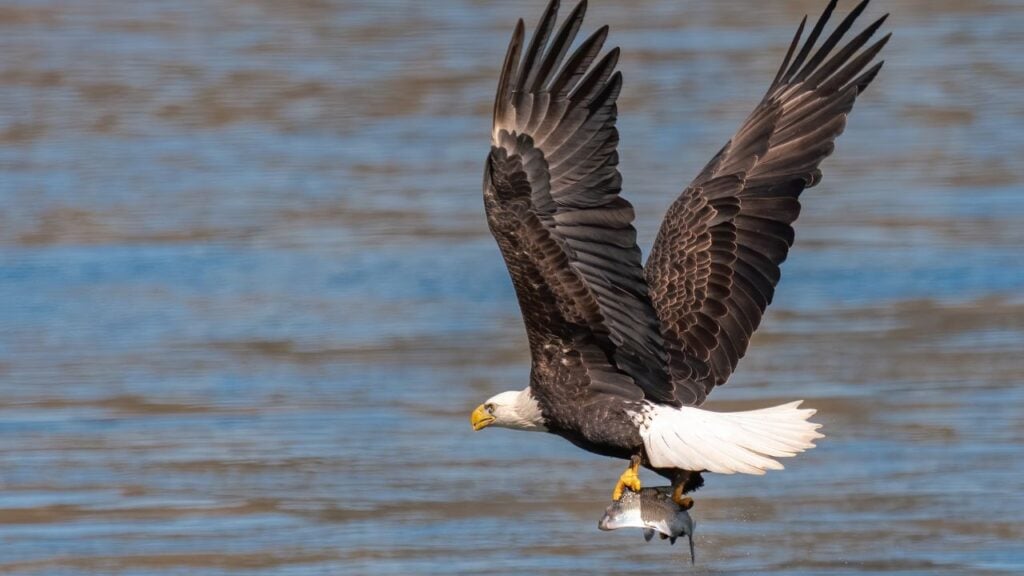
Some of the bald eagles at Conowingo Dam react when the siren sounds.
If you stop by in November, you can miss a lot when you don't know what to look for.
6 Things Bald Eagles Do at Conowingo Dam Every November That Marylanders Never See
