
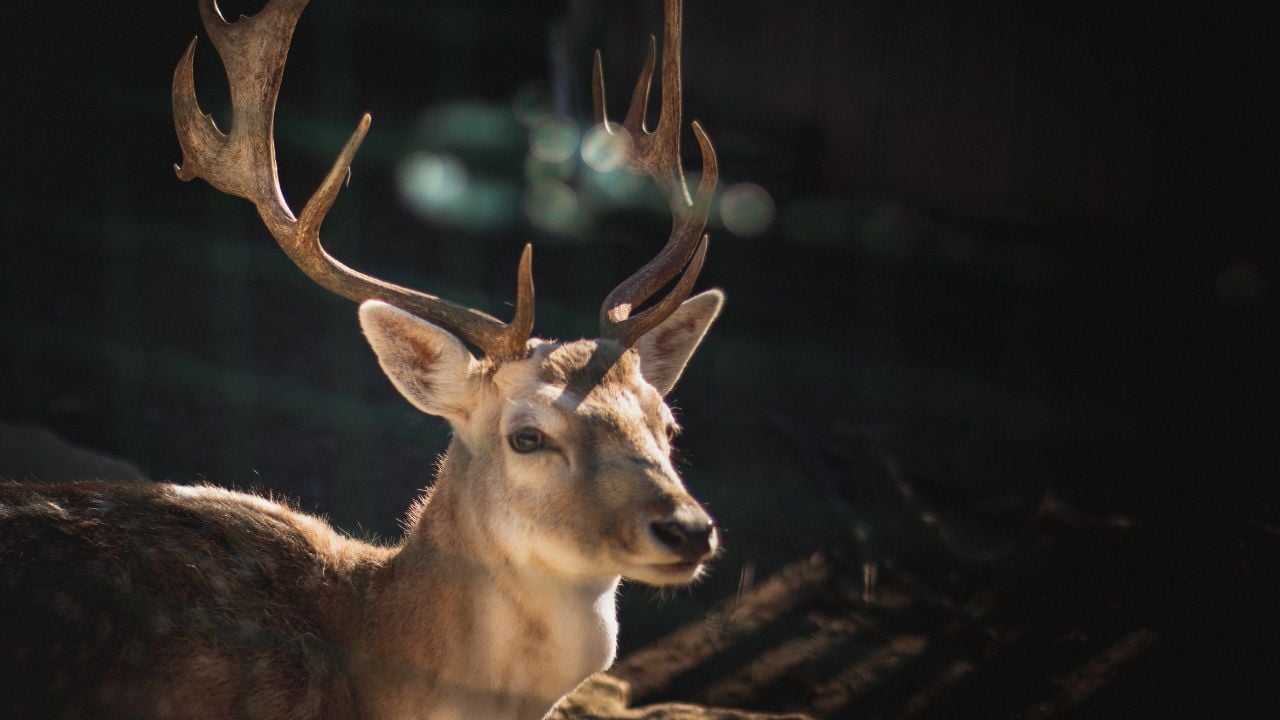
4 Rules Kentucky Hunters Must Follow Before Moving a Deer Out of a CWD County

Deer don’t check a map before they cross a county line.
Kentucky hunters have to, at least in the counties with chronic wasting disease (CWD).
Where your deer went down decides what you can do with it next.
These are the rules Kentucky hunters must follow before moving a deer out of a CWD county.
Note: This is general information, not legal advice. Hunting regulations and zone counties are subject to change, so confirm the current rules with Kentucky Fish and Wildlife.
1. Parts You Can Move
A deer from a CWD county can leave the zone only as a short list of parts.
Kentucky’s deer regulation bars you from moving a full carcass or any part of one out of the zone, with a few exceptions.
Those exceptions are deboned meat, antlers, clean skulls and skull plates, clean teeth, hides, and finished taxidermy work.
The rest of the carcass stays inside the zone.
The penalties for breaking a special CWD regulation could range from a warning to losing hunting or firearm rights to, ultimately, jail time.
What Can Leave a CWD Zone
If you’re taking parts out of a CWD zone, Kentucky’s regulation on moving deer parts sets conditions on some of them.
A skull, a skull cap with antlers, and upper canine teeth must have no meat matter or tissue attached.
Deboned meat is on that list too, as long as it leaves out brain matter.
That regulation names upper canine teeth, where the deer regulation above says clean teeth.
The department’s deer guide also lists the head, an intact skull or skull cap with brain material, and the spine as prohibited.
2. Telechecking Your Deer
Under Kentucky’s deer regulation, you have to telecheck any deer in the state by 11:59 p.m. on the day you recover it, by phone or online.
A zone deer’s telecheck confirmation number then has to go to a department-authorized station on the dates the department advertises.
For 2026-27, those dates were Sept. 25-28 for a special antlerless season and Nov. 14-16 in four counties.
Those dates apply to all hunters, including license-exempt ones such as youths under 12 or landowners hunting on their property.
Both have passed.
The same-day telecheck still applies to any deer you take now, and an unchecked deer can’t leave the state.
3. Intact Deer or Head
Inside a CWD zone, you move a deer as an entire carcass or an entire head, and only the parts listed above cross the zone line.
At a staffed station, that means an intact deer, a field-dressed deer, or a head with 5 inches of neck attached.
Cut-up meat isn’t on that list.
A sample drop-off site, open 24/7, takes a head with at least 5 inches of neck attached, minus a buck’s antlers.
The sites are unstaffed, so bring a knife or saw.
If a deer’s hide or head comes off before you check in, keep the head, antlers included on a buck, or the sex organs attached to the carcass.
That rule applies to any deer you take, not just ones from CWD counties.
Psst! How much do you know about Kentucky’s deer and elk? Take our quiz and see if you can ace it.
Quiz
Kentucky Wildlife IQ
Answer these questions on Kentucky’s deer and elk. We bet you can’t get them all right. Prove us wrong?
In 1929, Isaac Bernheim brought 15 red deer from Europe to his property in which Kentucky county?
4. Processors and Taxidermists
Before you hand a deer from a CWD county to a processor or a taxidermist, it needs a hand-made tag on the carcass.
That tag lists your telecheck confirmation number, your name and your phone number.
The rule covers any deer in Kentucky, not just those from CWD counties.
From there, a taxidermist or commercial butcher can't accept the deer without that tag or a disposal permit from the department.
Commercial butchers also log your name, address and confirmation number, plus the date they received the deer, and keep those records for one year.
If you give a deer away on a mandatory check date, it still has to go to a staffed check station or a drop-off site.
If you're planning a mount, use a staffed check station when one's open, since heads and parts left at a drop-off site aren't returned.
With the stations closed, call a local biologist for help at 1-800-858-1549.
Department staff will work with you to make sure a taxidermist can still process your deer.
A taxidermist outside the zone can still take the hide, plus antlers on a clean skull plate, since both are on the list of parts that can leave.
Route to the Check Station
Kentucky Fish and Wildlife's guidance on checking a deer from a CWD county has you stay inside the zone to do it.
You can check a deer in a different CWD county than the one where you shot it, so long as the station or drop-off site sits inside the zone.
You can't cut through a county outside the zone to get there.
A county in the way can put the closest station off limits.
This season's staffed stations were two each in Henderson, McCreary, Pulaski, and Wayne counties, open 9 a.m. to 7 p.m. local time on Nov. 14-16.
Those three days were the only staffed dates listed, so none are open now.
Keep the tear-off portion of your sample tag as proof you checked your deer.
The 23 Counties
If you're hunting in 2026-27, a CWD county is one of 23 in the state's surveillance zone.
Under state regulation, that zone is an area subject to special rules because of a CWD detection.
The newest nine joined in December 2025 after CWD turned up in a deer harvested in Pulaski County in September.
The nine are Casey, Laurel, Lincoln, McCreary, Pulaski, Rockcastle, Russell, Wayne, and Whitley.
The other 14 are Ballard, Breckinridge, Calloway, Carlisle, Fulton, Graves, Hardin, Henderson, Hickman, Marshall, McCracken, Meade, Union, and Webster.
7 Roadside Rules That Catch Kentuckians Off Guard on Rural Highways
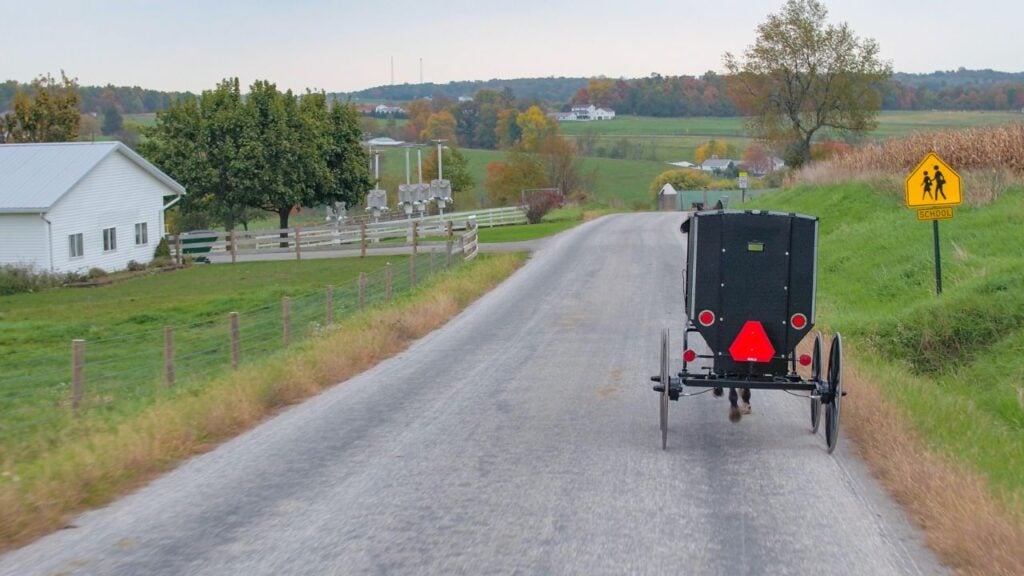
Country drives in Kentucky can come with a cow in the headlights.
A lot of Kentuckians get caught off guard by the rules on a rural highway.
7 Roadside Rules That Catch Kentuckians Off Guard on Rural Highways
4 Things a Kentucky Neighbor Can't Legally Do at Your Property Line
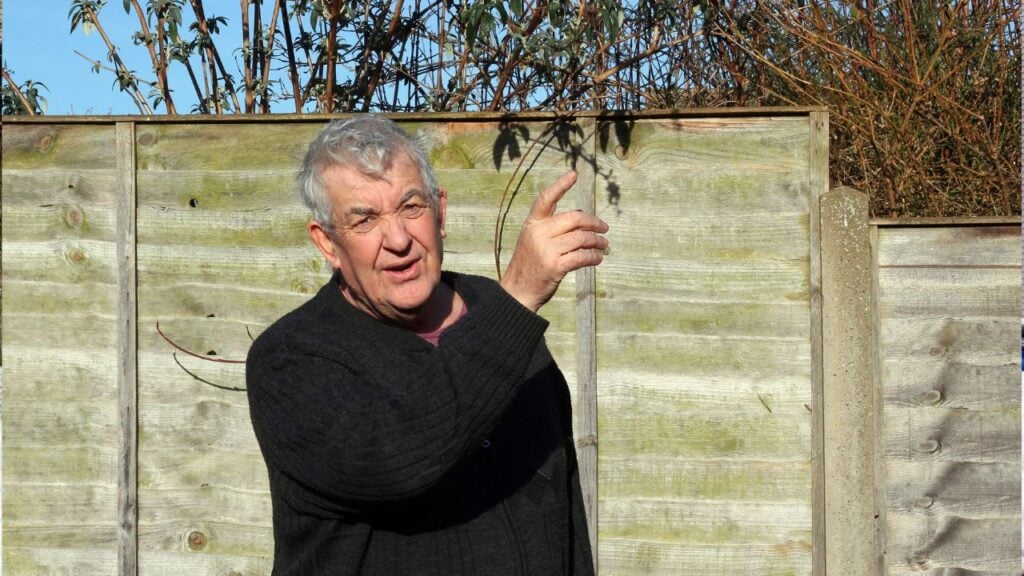
Your backyard fence came with your house, but who has to keep it up can be a mystery.
Many Kentuckians go years without learning what a neighbor can and can't do along the property line.
4 Things a Kentucky Neighbor Can't Legally Do at Your Property Line
