
Albertsons Says Lower-Income Shoppers Are Buying Fewer Items. Here’s What That Means for Montanans

When money’s tight, the grocery cart is one of the first places you feel it.
Albertsons says some shoppers are buying fewer items, and its latest results back that up.
Here’s what that could mean for Montanans who shop at Albertsons and beyond.
First-Quarter Results
The chain reported that identical sales fell 0.8% in the first quarter of its 2026 fiscal year.
That quarter was 16 weeks long and ended June 20, 2026.
Identical sales means sales at stores open in both years.
A 0.8% decline works out to about 80 cents less for each $100 in sales.
As of June 20, 2026, the chain ran 2,240 stores in 35 states and the District of Columbia.
Its 22 banners include Safeway.
In early October 2026, its store finders showed 30 Albertsons stores in Montana.
They also showed around nine Safeway stores.
The release gives one number for the whole chain. So the 0.8% doesn’t describe any one store you shop.
What Albertsons Counts as Identical Sales
The chain counts sales only from stores open in both years.
It compares them day by day with the same period a year earlier.
A store that wasn’t open in both periods stays out. So a new store can’t lift the number.
The number includes direct online sales to shoppers. It leaves out fuel sales. That matters because it had 408 associated fuel centers as of June 20, 2026.
Who Is Pulling Back
Albertsons leaders talked about the drop on a July 23 earnings call. They said it was sharpest among lower-income shoppers.
Chief Financial Officer Sharon McCollam said the 0.8% decline had two parts. Fewer items are selling across the industry.
And big economic pressures are weighing on shoppers.
The Inflation Reduction Act also put about 1 percentage point of pressure on reported results.
Deflation added half a point.
Lower-income shoppers were buying fewer items, and their carts were smaller.
They called higher-end shoppers a little more resilient.
So the 0.8% doesn’t show trade down by itself.
Store Brands and Cheaper Meat
Albertsons’ largest brands include Signature Select, Lucerne and O Organics.
Chief Executive Officer Susan Morris said on the call that those brands keep growing.
Shoppers buy them again and again and feel good about them.
The long-term goal is store brands reaching 30% of sales. That’s $30 of each $100 spent.
Leaders pointed to a shift toward store brands and value packs, which they called trade downs.
Lower-income shoppers were moving more toward cheaper proteins.
If you’ve bought a store brand or a value pack, that’s the kind of shift leaders mean.
Digital and Pharmacy
The chain said digital sales rose 13% in the quarter.
Pharmacy and digital are also areas of strength.
Pharmacy sales kept growing.
Do you fill prescriptions there or order groceries online?
Those are the two areas.
Lowered Outlook
The chain cut its full-year outlook in that same July 23 release.
For fiscal 2026, it expected identical sales to fall by 0.5% to 1.5%.
Its earlier outlook had been flat to 1% growth.
That works out to between 50 cents and $1.50 less for each $100 in sales at stores open in both years.
Part of the cut is blamed on a Medicare drug price program in the Inflation Reduction Act.
It affects pharmacy sales.
The drag is estimated at 1.5 percentage points.
Core grocery also faced more pressure.
Industry unit trends were weaker.
Shoppers were more cautious.
Leaders said their more careful view comes from three things.
Lower-income shoppers are under pressure.
Fewer items are selling across the industry. And higher costs from suppliers could make prices harder to afford.
Morris said on the call that the chain wasn’t passing along the inflation it was seeing.
It expects higher supplier costs.
It would work not to pass them to shoppers where it matters most.
A lower outlook isn’t a price list, so it can’t tell you what your cart will cost.
Psst! How much do you know about supermarket history? Take our quiz and see if you can ace it.
Quiz
Supermarket Firsts Quiz
Answer these questions about supermarket history. We bet you can’t get them all right. Prove us wrong?
Which product was the first one scanned with a Universal Product Code barcode at a supermarket checkout?
Where Shoppers Go Instead
Where are lower-income shoppers going?
Morris said on the call that the chain's biggest leakage, or lost sales, is to Walmart and Amazon.
The response is targeted investments, market by market, where the chain thinks shoppers decide what to buy.
The chain also wasn't making a huge change to its pricing and promotion plan.
Leaders said the chain can use tailored deals and its loyalty program to reach lower-income shoppers.
Price locks, which hold prices steady, are one offer it can give those shoppers.
The chain has tens of millions of loyalty households. Its data and artificial intelligence tools help it tailor deals to each shopper.
Morris said engaged loyalty members shop more often and spend more per trip than nonmembers, which helps sales grow.
3 Montana Roads That Close Earlier Than Visitors Expect
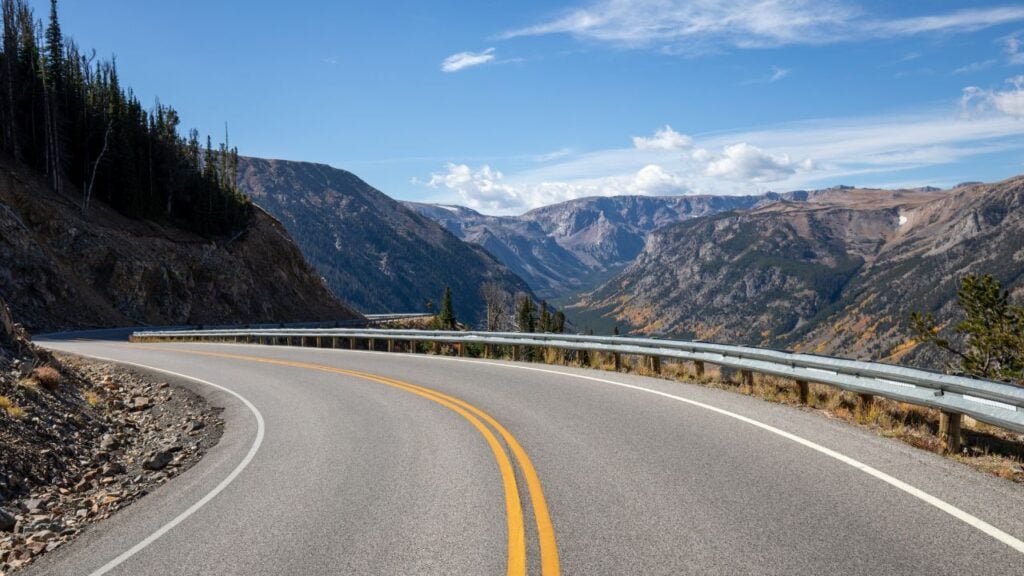
Planning a fall drive through Montana's mountains?
A few of the state's best-known roads shut for the season sooner than visitors plan for.
3 Montana Roads That Close Earlier Than Visitors Expect
9 Things Montanans Skip in October and Regret All Winter
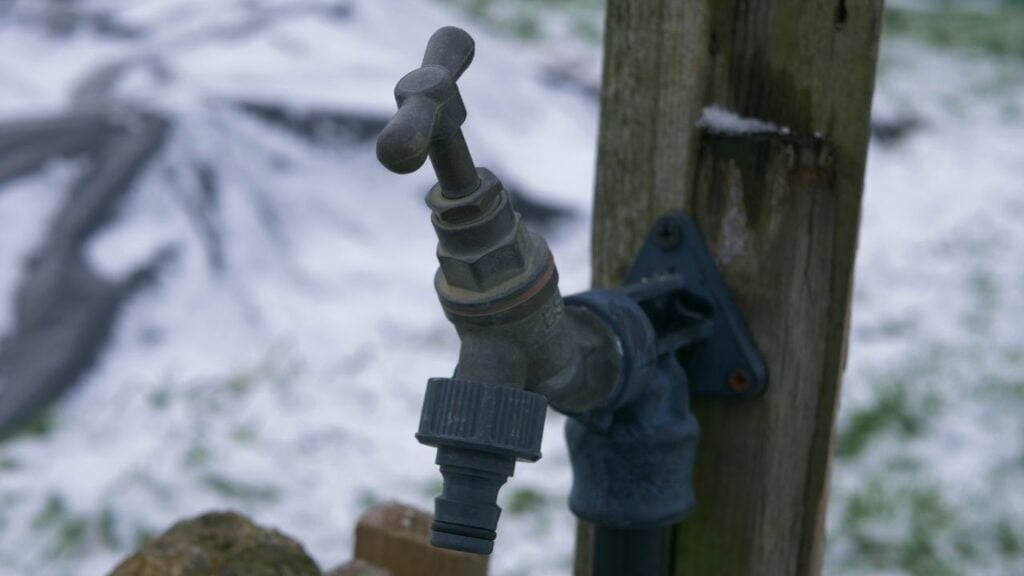
Fall in Montana comes with a to-do list, and many people put it off.
Tires are only one chore on it.
