
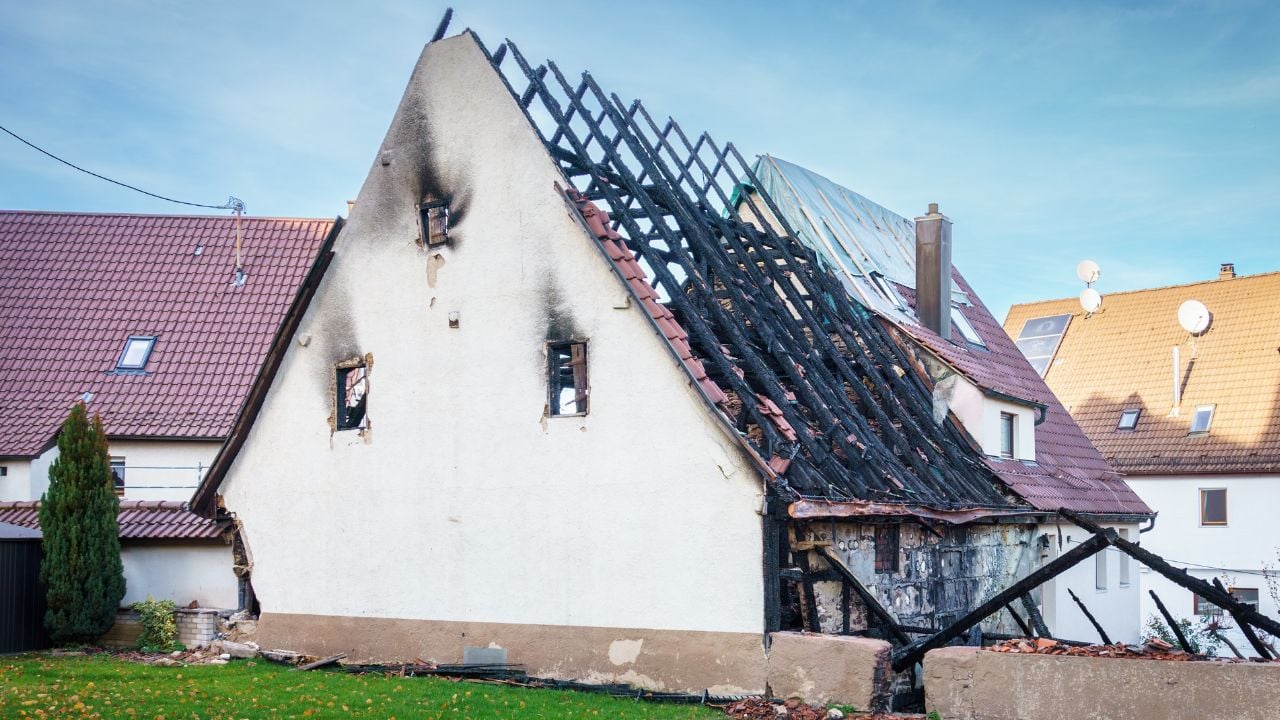
How Long Does a Home Insurance Claim Take to Pay Out in South Carolina?

South Carolina’s insurance regulator says many policyholders hear from an adjuster within 48 hours of reporting a loss.
State law sets no fixed number of days for the payout itself.
The number that matters is 90, and it starts the day you send a written demand for payment, not the day the claim gets filed.
Hurricane season peaks in mid-September, which is exactly when that clock gets tested.
Note: This is general information, not insurance advice. Coverage and claim timelines are subject to change, so check the specifics with your insurer or agent.
What South Carolina Law Requires
South Carolina’s claims-practices law is the actual rulebook behind how fast a homeowners insurer has to move on a claim.
It bans an insurer from dragging a claim out without good cause, but the wording is “reasonable promptness,” not an exact day count.
No exact number exists.
The one hard number in South Carolina’s claims law belongs to the paperwork, not the final check.
A South Carolina insurer has to send a homeowner the proof-of-loss forms within 20 days of getting notice of the loss.
Miss that 20-day window, and the law treats the homeowner as having already met the paperwork requirement anyway.
It’s a built-in head start for the homeowner, not the insurer.
Every part of that law applies the same way whether the damage is a kitchen fire in Columbia or a hurricane on the coast.
How Fast an Adjuster Usually Shows Up
South Carolina homeowners don’t have to guess who calls first after storm or fire damage.
South Carolina’s insurance regulator says many policyholders hear from a claims adjuster within 48 hours of reporting a loss.
It’s a pattern, not a promise.
That’s not a guarantee.
Once that adjuster calls, the next step is a visit to see the damage in person before anything else moves forward.
How long the rest takes depends on the damage, not a stopwatch.
South Carolina’s insurance department puts it plainly.
The resolution period varies depending on how extensive the damage from a catastrophe is.
A cracked window closes out fast.
A collapsed roof after a hurricane doesn’t.
A homeowner can move a claim along faster by photographing the damage before cleanup starts and keeping every receipt for temporary repairs.
Why 90 Days Matters More Than Any Other Number
South Carolina law never tells an insurer exactly when to cut the check.
There’s no set date.
It does tell an insurer what happens if it waits too long after a homeowner pushes back.
The number that matters is 90.
Refuse to pay a valid claim without reasonable cause, and a South Carolina insurer risks covering the homeowner’s attorney’s fees on top of the claim.
That gives a slow-paying insurer a reason to move.
Many South Carolina claims never reach that point because insurers know the number as well as any lawyer does.
Where the 90-Day Clock Starts
South Carolina’s 90-day rule doesn’t start the day a homeowner files a claim.
It starts the day the homeowner sends the insurer a demand for payment, under Section 38-59-40 of the state’s insurance code.
A homeowner who never sends that demand, spoken or written, never starts the clock, no matter how long the claim sits.
The fees an insurer owes past that point can run up to a third of whatever amount a court later awards.
What Slows a Claim Down in South Carolina
South Carolina’s insurance rules move fast on paper, but conditions on the ground push claims past the pace regulators expect.
Hurricane season is a major factor.
Storm activity along the Atlantic coast peaks in mid-September, and a single storm can flood South Carolina insurers with thousands of claims at once.
An adjuster who reaches a homeowner in 48 hours in June might take longer during a statewide catastrophe.
Damaged roads and blocked bridges add to that.
Disputes over the cause of damage slow things down too, especially the line between wind damage and flood damage on a coastal South Carolina home.
Homeowners insurance covers wind.
Flood insurance covers flood.
Sorting out whether wind or flood caused the damage can take longer than fixing either.
That mix-up catches South Carolina’s newest residents more than longtime homeowners, the same crowd still working out the state’s everyday etiquette too.
Psst! How much do you know about South Carolina’s hurricane history and where home insurance came from? Take our quiz and see how many you can get right.
Quiz
South Carolina Insurance IQ
Answer these questions on South Carolina’s hurricanes and the history behind home insurance. We bet you can’t get them all right. Prove us wrong?
South Carolina’s coast is known for hurricane risk, but which other major natural disaster leveled much of Charleston in 1886?
How a Payout Dispute Adds Time to the Wait
South Carolina homeowners who think their insurer lowballed a repair estimate don't have to head straight to court.
Disputing the number does add time before a final check goes out.
South Carolina's insurance department points first to the appraisal provision built into the policy, found under the Conditions section of a standard homeowners contract.
Both sides pick an appraiser.
Those two appraisers pick a neutral umpire if they can't agree on a number.
Picking two appraisers takes time on its own, and bringing in an umpire when they disagree adds more.
The process still beats a lawsuit for speed.
A homeowner can also file a complaint with South Carolina's Department of Insurance, which reviews consumer complaints about how insurers handle claims.
That's not a fast-track for a single claim.
Filing a complaint doesn't pause the clock that matters most.
That's the 90 days a South Carolina insurer gets after a homeowner's demand for payment, spoken or written, before legal costs kick in.
How South Carolina's Claim Timelines Compare by Policy Type
South Carolina homeowners insurance isn't the only coverage with a claim clock attached to it.
Three different clocks apply.
Flood damage runs through the National Flood Insurance Program instead, a federal system Congress created in 1968.
South Carolina's "reasonable promptness" standard has no authority over it.
A flood claim follows federal paperwork deadlines instead.
Auto and other casualty claims fall back under the same South Carolina law as a homeowners claim, the same 20-day paperwork rule and the same 90-day trigger included.
Psst! Curious how a homeowners claim stacks up against a flood or auto claim? This table breaks it down stage by stage.
FAQ
Here are quick answers to the questions homeowners ask about South Carolina's claim timelines.
Does South Carolina Set a Legal Deadline for Home Insurance Payouts?
No. South Carolina law requires "reasonable promptness" in handling a claim, but it doesn't set an exact number of days for the final payment.
How Long Does a South Carolina Insurer Have to Send Claim Forms?
Twenty days from the date the insurer gets notice of the loss, under South Carolina's claims-practices law.
Can a South Carolina Homeowner Sue Over a Slow Claim?
Yes. An insurer that refuses to pay a valid claim more than 90 days after a demand for payment without reasonable cause risks the consequences.
South Carolina law lets the homeowner recover attorney's fees on top of the claim.
Does a Flood Claim Take Longer Than a Homeowners Claim in South Carolina?
Often. A flood claim runs through the federal National Flood Insurance Program instead of South Carolina's insurance code, with separate paperwork deadlines.
What Should a South Carolina Homeowner Do If a Claim Is Taking Too Long?
Ask the insurer directly what's holding up the payment, since South Carolina only requires "reasonable promptness," not a fixed number of days.
A complaint to South Carolina's Department of Insurance is also an option.
Once 90 days pass after a demand for payment, state law lets a homeowner pursue the insurer's attorney's fees too.
7 Charges on Every South Carolina Power Bill That Have Nothing to Do With Electricity
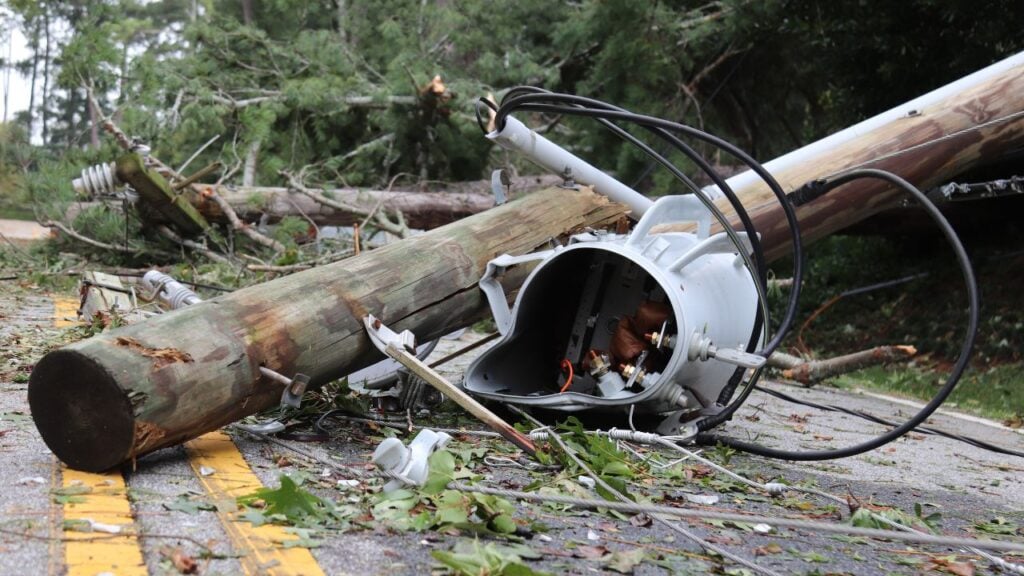
A power bill in South Carolina carries more than the electricity a homeowner used that month.
Some of those extra lines trace straight back to a past hurricane, and they're not going anywhere anytime soon.
7 Charges on Every South Carolina Power Bill That Have Nothing to Do With Electricity
9 South Carolina Roadside Stands Locals Stop At and Tourists Drive Past

Many tourists barrel past a folding table of boiled peanuts on their way to Myrtle Beach without a second look.
Locals know exactly which stands are worth the brake lights.
9 South Carolina Roadside Stands Locals Stop At and Tourists Drive Past
