
6 Mountain Pass Rules That Will Catch Some Washingtonians Off Guard This Winter

Driving an all-wheel-drive SUV over Snoqualmie Pass this holiday weekend?
You might figure all-wheel drive gets you past a chain sign without stopping.
It can, but only if you meet two conditions.
Here are the mountain pass rules that will catch some Washingtonians off guard this winter.
Note: This is general information, not legal advice. Chain and traction rules are subject to change, so confirm the current requirements with the Washington State Department of Transportation (WSDOT).
1. Chains-Required Signs
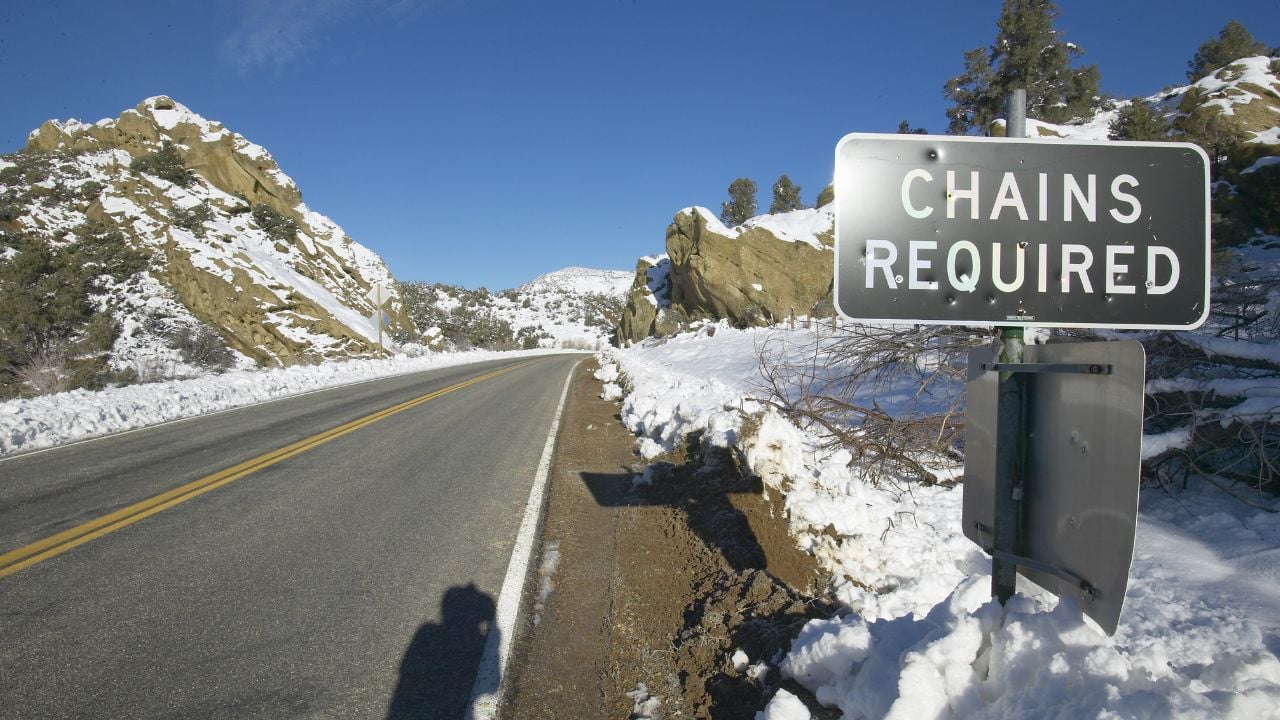
When WSDOT posts a chains-required sign on a Cascade pass, many vehicles can’t go past it without chains.
Ignoring a chain requirement is a traffic infraction.
The state’s chain law sets the penalty at $500, including all statutory assessments.
The Washington State Patrol (WSP) enforces the requirement.
On Nov. 20, 2024, two WSP troopers ran a chain enforcement patrol on Snoqualmie Pass.
Chain requirements can go into effect at any time.
WSDOT says anyone traveling over the mountains or driving in winter weather should carry tire chains.
Chain installers working I-90 charge $25 per passenger vehicle.
Installers aren’t required to respond.
You should be able to put chains on yourself.
State rules let WSDOT or WSP bar a vehicle from a chain-control area if it would have difficulty traveling safely.
2. Traction Tire Requirements
A traction-tires-required notice on a Cascade pass this winter means your passenger vehicle needs approved traction tires or chains.
An approved tire carries a mountain-and-snowflake symbol or a mud and snow (M+S) label on its sidewall.
The tread has to measure at least 1/8 inch in the center of the tire, checked at three evenly spaced points.
The pattern has to be built for extra starting and stopping grip, with edges angled more than 30 degrees from the tire’s centerline.
Worn tires don’t qualify.
State rules make it unlawful to enter a posted area without the device the sign specifies.
Any tire becomes a traction tire once chains are on it.
3. Chain Rules Over 10,000 Pounds
Vehicles with a gross vehicle weight rating (GVWR) over 10,000 pounds have to carry chains on listed routes all winter, from Nov. 1 to April 1.
That weight class can include large passenger trucks, sport utility vehicles and recreational vehicles.
The state’s route list has a dozen entries, including I-90 over Snoqualmie Pass and U.S. 12 from Packwood to Naches.
It also names U.S. 2 from Dryden to Index and State Route 410 from Enumclaw to Naches.
Under a posted chains-required sign, a truck or bus with a single drive axle needs one tire on each side of that axle chained.
WSDOT’s fee for a large truck is $25 per tire chained, so an installer charges $50 for those two tires.
If you drive a vehicle that heavy, you need at least two extra chains on board.
Approved chains need at least two side chains with hardened metal cross chains.
Plastic chains aren’t allowed.
Troopers can pull over a commercial vehicle over 10,000 pounds that has no chains, possibly ticket it and turn it around.
What the 10,000-Pound Chain Line Measures
The chain rule for vehicles over 10,000 pounds goes by GVWR, which federal rules define as the value a manufacturer specifies for a vehicle’s loaded weight.
That makes it a rating, not a reading from a scale.
Adding cargo doesn’t change it.
You can find yours on the certification label next to the driver’s seat.
4. All-Wheel Drive Exemptions
All-wheel drive (AWD) and four-wheel drive (4WD) vehicles under 10,000 pounds can be exempt from chain requirements when two conditions are met.
One is an engaged AWD or 4WD system with an approved traction device on every wheel.
The other is chains for at least one set of drive tires, kept in your vehicle.
Both have to be true.
If you leave the chains at home, the exemption doesn’t apply and you risk a $500 fine.
If your AWD or 4WD vehicle is over 10,000 pounds GVWR, you have to install chains.
In extreme weather, WSDOT can post a sign that requires chains on all vehicles.
Then AWD and 4WD vehicles have to install chains too.
Mountain passes close every winter, and that sign is usually the last step before a closure.
Psst! How much do you know about Cascade passes? Take our quiz and see if you can ace it.
Quiz
Cascade Pass Pop Quiz
Test yourself on Cascade passes, snow records, railroad and highway history. We bet you can’t get them all right. Prove us wrong?
How much snow fell at the Mount Baker Ski Area during the 1998-99 season, setting a U.S. record?
5. Studded Tires and Chains
Studded tires don't count as chains when a Cascade pass requires chains, WSDOT says.
You still have to install chains over studs in a posted area.
Studded tires are legal in Washington only from Nov. 1 through March 31.
Out-of-state drivers get no waiver from those dates.
Vehicles over 10,000 pounds can't use studded tires.
If you leave studs on past March 31, you risk a $137 fine.
Stud-free winter tires with the mountain-and-snowflake symbol are legal year-round.
6. Alternative Traction Devices
If a Cascade pass requires chains and cable chains don't fit in your wheel wells, you can use an alternative traction device from WSP's approved list.
One type is a set of chains that spin under the drive wheels when engaged.
Each device has to be used the way its manufacturer requires.
Some vehicle manufacturers recommend against tire chains for certain models, but WSDOT says that doesn't excuse you from state law.
Check your owner's manual to see which traction device your manufacturer recommends.
WSDOT warns that chains may suddenly be required on a route when winter weather changes quickly.
Test-fit chains in your driveway.
What Shuts a Pass
WSDOT says passes close for spinouts, crashes, intoxicated drivers and avalanche control.
A single spinout ahead of you can close an entire pass and affect everyone traveling through the area.
Many closures start when a driver without the right equipment slides out.
A major crash can take even longer to clear, especially when specialized tow equipment is needed or fuel has been spilled.
WSDOT has a free mobile app for road conditions.
You can sign up for email updates that include mountain pass reports.
Winter Closing Dates
WSDOT keeps a history of when Chinook, Cayuse and North Cascades passes open and close.
Chinook Pass (State Route 410) and Cayuse Pass (State Route 123) both closed on Oct. 24 in 2025, a week earlier than their Oct. 31 closing in 2024.
State Route 20 over the North Cascades reopened on April 19 in 2024 and April 22 in 2025.
WSDOT's table lists a partial reopening on April 30 in 2026.
If you planned a State Route 20 drive for Nov. 25 in 2024, the highway had already closed for the winter on Nov. 18.
A year later, you could still drive it until Dec. 4, which is 16 days later in the calendar.
9 Things Washington Ferry Workers Notice About Drivers Every Day
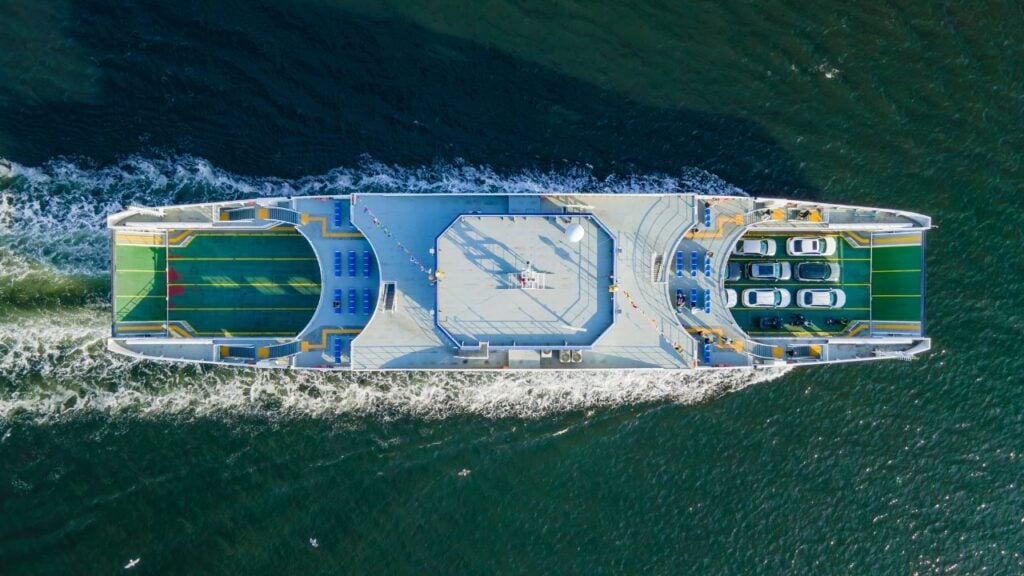
This summer, drivers heading for the Kingston ferry had to get a ticket at a kiosk about a mile west of the toll booth.
That kiosk was only one stop on the way to the boat.
9 Things Washington Ferry Workers Notice About Drivers Every Day
6 Rain Habits That Give Away a Lifelong Washingtonian
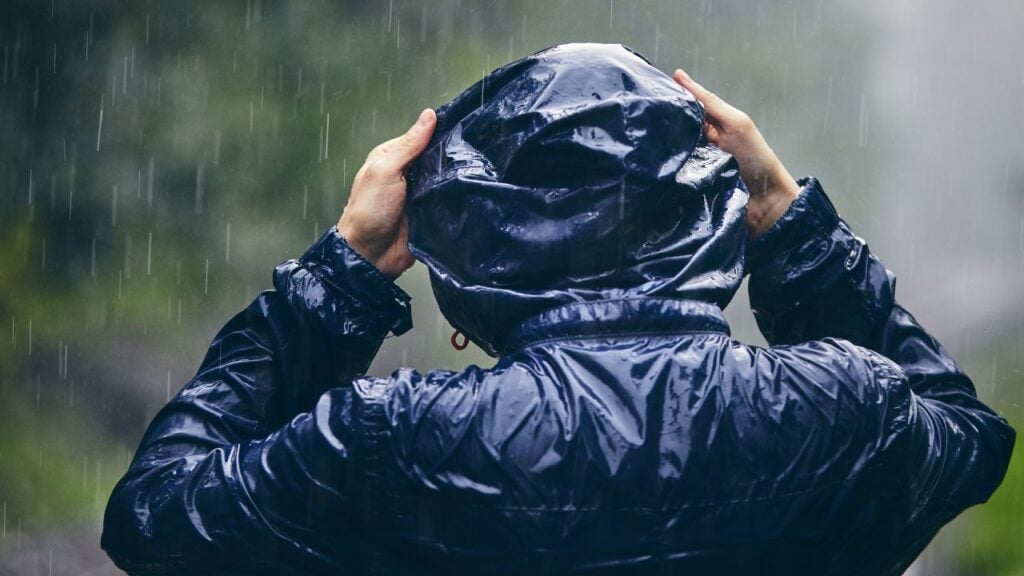
Many longtime Washingtonians flip the headlight switch without a thought.
Do you do the same when the rain sets in?
