
Is Dumpster Diving Legal in Nevada? Las Vegas Makes It Riskier Than People Realize

A man crouches inside a dumpster behind a Las Vegas Strip resort at 2 a.m.
A security guard’s flashlight finds him mid-search, one hand still holding a stack of flattened boxes.
Ten minutes later, he’s holding a citation instead.
That’s the surprise waiting on the Las Vegas Strip, where local law treats trash differently than it does almost anywhere else in Nevada.
Note: This is general information, not legal advice. Nevada’s trespassing and local waste ordinances are subject to change, so confirm the current rules with a Nevada attorney or the city or county code office.
Trash Isn’t the Charge
Here’s the legal distinction many people misunderstand about dumpster diving in the Silver State: Nevada rarely charges anyone with stealing garbage.
What lands on a citation is trespassing, under a statute that’s covered entering someone’s property without permission since Nevada joined the union.
Nevada’s trespass law covers going onto land to commit an unlawful act, or staying after an owner or occupant has warned someone off within the last 36 months.
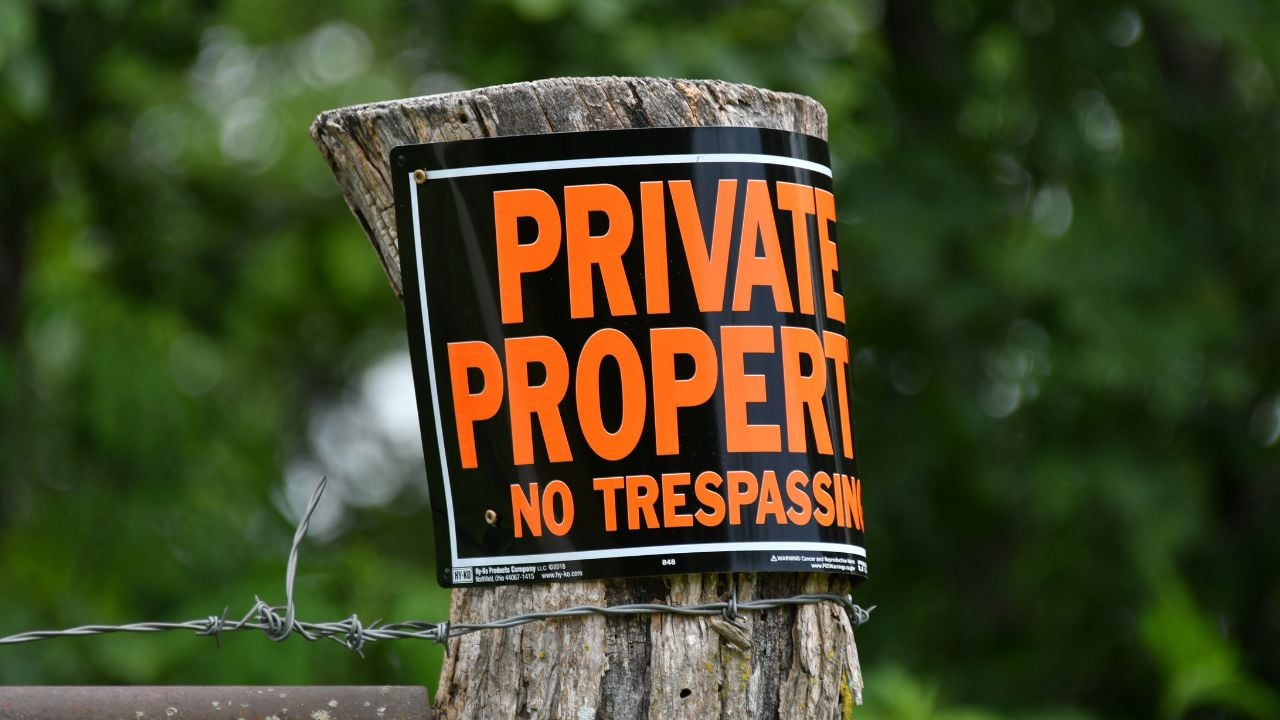
A fence, a posted sign, or a simple spoken warning all count as legal notice.
Notice is notice.
So the enclosure around a dumpster matters more than what’s sitting inside it.
Climb behind a fence or past a posted gate to reach it, and trespassing is the charge that sticks, whether or not anyone ever cares about the cardboard.
No Blanket State Ban
Nevada has no single statute with the words “dumpster diving” written into it.
Once a bag hits the curb for pickup, most courts treat it as abandoned property, free for anyone willing to sort through it.
No permission required.
That baseline holds across most of the state, and a bag set out for pickup in Reno or Elko carries little legal risk on its own.
Carry that assumption into Las Vegas, and a citation is what greets you instead.
Las Vegas Draws a Line
Las Vegas draws its own line the moment the city limits start.
City code makes it a misdemeanor to go through any dumpster, trash can, or recycling container that belongs to somebody else, whether it sits on private or public property.
It makes no difference whether the container is headed for a landfill or a recycling plant.
The container is the trigger.
A conviction can run up to $1,000 in fines, up to six months in jail, or both.
Clark County Backs It Up
Step outside city limits, and Clark County repeats the same rule almost word for word.
County code bans interfering with or removing anything from another person’s trash or recycling container, and it grades the penalty by how many times someone’s been caught.
A first offense runs $200 to $1,000, plus up to six months in jail.
A third pushes the fine to the full $1,000 and adds a mandatory 10 days behind it.
Every return costs more.
The Strip Isn’t Even Vegas
Here’s the twist that trips up even longtime Nevadans: The Las Vegas Strip isn’t technically part of the city of Las Vegas.
Casino owners lobbied hard against annexation back in 1950, and the county created the township of Paradise to keep the resorts under county control instead of city control.
Most of the Strip still sits in Paradise today, with the northern stretch in neighboring Winchester.
Either township still falls under Clark County’s ordinance, so the resorts get the county’s rule, not the city’s, and the answer lands the same anyway.
Same ban, different address.
Psst! How much do you know about Nevada law, casino security, and the odd history behind digging through the trash? Take our quiz and see if you can ace it.
Quiz
Nevada Law & Order IQ
Answer these on Nevada trespassing law, casino security, and the odd history behind digging through the trash. We bet you can’t get them all right. Prove us wrong?
The word “freegan” blends “vegan” with what other word?
A Guard's Word Counts
A Strip resort is private property, and its security team gets the same legal standing as a homeowner.
One spoken warning from a guard, "you need to leave," counts as the legal notice Nevada's trespass law requires.
Walk away, and that's usually the end of it.
One warning lasts 36 months.
Come back within that window, and the earlier warning is what gets someone charged, not a fresh decision by whoever's on duty that night.
Resorts back that warning with real coverage, too, running surveillance on loading docks and back-of-house corridors around the clock, so a guard often knows someone's behind a dumpster before that person even hears footsteps.
Locks Raise the Stakes
Not every Strip dumpster sits out in the open.
Some sit behind gated corrals or locked enclosures instead.
Cut a lock or force a gate to get inside, and the situation changes fast.
Bigger charge, bigger consequence.
Prosecutors can treat forced entry as burglary once someone breaks a barrier meant to keep people out, a step up from an ordinary misdemeanor trash citation.
An unlocked can behind a strip mall is one risk, and a padlocked enclosure behind a casino is another risk entirely.
Second Trips Cost More
Clark County doesn't treat every citation the same.
Get caught once, and the fine can land as low as $200.
A second citation pushes the minimum to $500, with the same jail exposure attached.
By the third citation, a judge has no discretion left on the low end.
Ten days minimum.
How Citations Happen
Police rarely go looking for someone in a dumpster on their own.
Most bins sit behind buildings, out of view from the road, so an officer on regular patrol has little reason to notice.
The calls that lead to citations mostly come from somewhere else: A property manager, a shift supervisor, or a resort's own security desk places that call.
Not a coincidence.
That's the pattern behind most Las Vegas dumpster citations.
A management team that's already tired of the same person showing up night after night is far more likely to press the issue than a patrol officer stumbling onto it by chance.
On the Strip, that management team already has cameras running and a security desk staffed all night, so the odds of somebody noticing run higher than in most other parts of the state.
Off the Strip, in a quieter Henderson strip mall or a Boulder Highway shopping center, the same law applies, but nobody's necessarily watching the corral at 2 a.m.
7 States That Won't Touch a Penny of Your Retirement Income in 2026

Move to Anchorage, and Alaska pays every resident something no other state does.
A yearly dividend lands in every resident's account, drawn straight from the state's oil savings, one of several states that leave retirement income alone entirely.
7 States That Won't Touch a Penny of Your Retirement Income in 2026
