
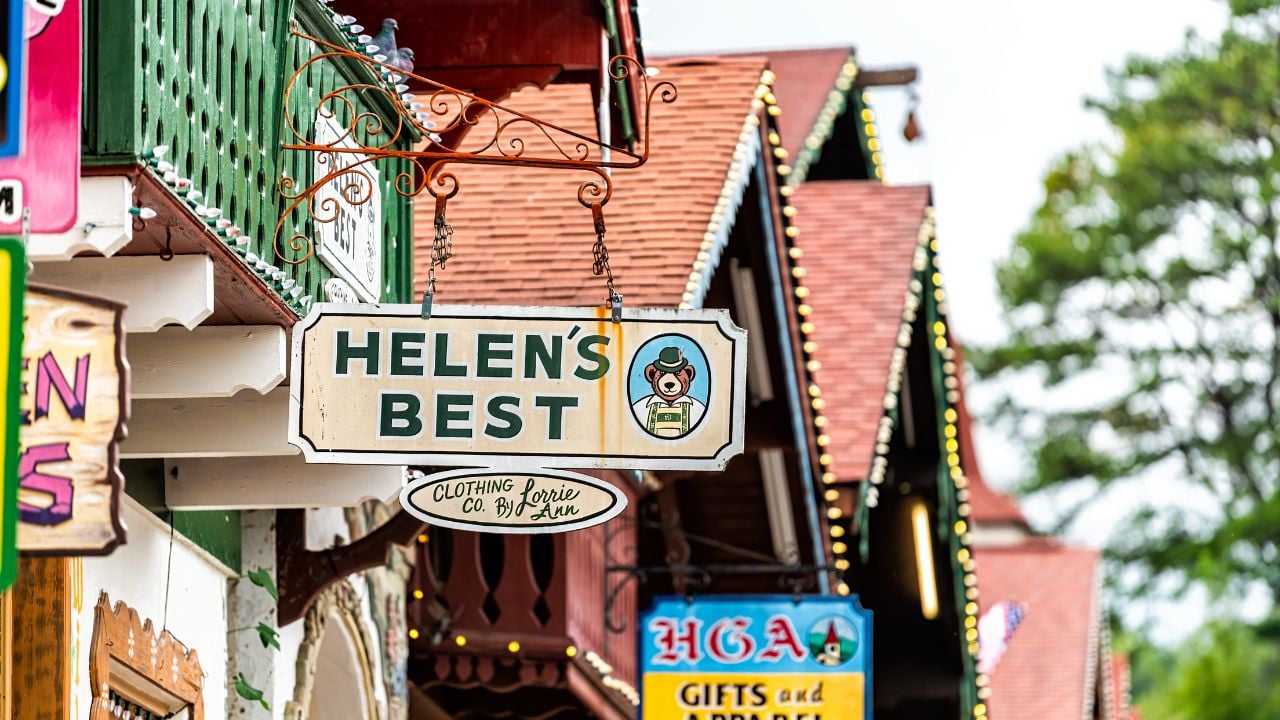
Is Helen, Georgia Still Worth the Drive? 8 Tourist Towns Locals Say Have Changed

Georgia’s mountain towns didn’t all reinvent themselves the way Helen did, rebuilt overnight from a sawmill town into a Bavarian village back in 1969.
These are the Georgia tourist towns locals say have changed, some for the worse and a few for the better.
Blue Ridge
Blue Ridge sits about two hours north of Atlanta, and Fannin County’s own commission chairman ranks the mountain town among the state’s top five tourist draws.
That popularity built the problem.
Investors bought up cabins and turned them into nightly rentals, and local officials have been weighing tighter limits on new short-term rental permits ever since.
Existing rentals already up and running are expected to keep operating no matter what rules officials finalize.
Fannin County went further, debating new rules that tie a rental’s guest count to its septic permit.
Not everyone loves the fix.
A local realtor warned the change could shrink property values for owners counting on those nightly bookings, and the argument is still going.
Downtown Blue Ridge itself still runs on real, locally owned boutiques and breweries rather than chain storefronts, which is more than a few Georgia mountain towns can say anymore.
Helen
Helen didn’t start as a mountain village at all.
Local artist John Kollock convinced business owners to remake the sleepy sawmill town into a Bavarian-style village in 1969, and the reinvention grew Helen into Georgia’s third most visited city.
The gamble worked for decades.
Then the complaints started piling up.
Regulars on travel forums describe a downtown that swapped bratwurst counters for chicken tenders and burgers, with a few restaurants tacking a “destination fee” onto the check.
City commissioners gave locals a fresh reason to grumble this year.
Helen ended free parking for White County residents and Helen employees in its city-owned lots, and added a two-hour limit to spaces that used to sit open all day.
Officials blamed the crush of visitors for the change.
Anna Ruby Falls and Unicoi State Park sit minutes away, and Oktoberfest packs the beer halls every fall the way it always has.
A weekday morning downtown looks nothing like the gridlock a Saturday brings, and that’s when Helen delivers the trip people remember.
Dahlonega
Dahlonega put Georgia on the map long before Helen existed.
A deer hunter’s discovery kicked off the nation’s first gold rush in 1828, and prospectors flooded the square looking to strike it rich.
The rush never stopped.
Wine tastings and gold-panning tours now share the square with thousands of University of North Georgia students, and Lumpkin County’s roads and water lines predate most of that growth.
The historic square still hands out free parking, all 300-plus spaces of it, unlike Helen’s meters a half-hour up the road.
Gold Rush Days each fall draws some of the biggest crowds Lumpkin County sees all year, enough that the college lets its own lots double as overflow parking.
Getting a table downtown that weekend takes real patience.
Ellijay
Ellijay calls itself Georgia’s Apple Capital, and Gilmer County has backed up the claim since 1971 with an annual apple festival that now draws hundreds of vendors every October.
Ten apple houses line State Highway 52, a stretch locals call Apple Alley.
Fall Saturdays turn that two-lane road into a parking lot.
Traffic backs up so badly some apple houses now station someone outside just to wave cars into a spot.
That’s peak fall in Ellijay.
The historic downtown square fills up right along with it, sidewalks packed with people waiting for a table at brunch.
A handful of the smaller apple houses off the main strip still let a car pull right up to the counter, no one directing traffic required.
Psst! How much do you know about Georgia’s mountains? Take our quiz and see if you can ace it.
Quiz
North Georgia Mountain IQ
Answer these questions on North Georgia’s peaks, rivers, and history. We bet you can’t get them all right. Prove us wrong?
Georgia’s highest point, Brasstown Bald, rises to about how many feet?
Tybee Island
Tybee Island sits eighteen miles from Savannah, close enough for a beach day that used to feel like a secret.
Not anymore.
Public parking across the whole island runs $4 an hour, enforced seven days a week from 8 a.m. to 8 p.m., including holidays.
There's no free lot to duck into instead.
Park in the wrong spot, and code enforcement can boot the car for a $50 immobilization fee.
Big weekends bring an even harder line.
City officials have blocked off nearby parking during a few spring events in recent years, even while the beach itself stayed open, just to keep the crowd manageable.
The one loophole is the clock.
Meters don't start running until 8 a.m., so a sunrise walk on the beach is still the one thing on Tybee nobody can charge you for.
St. Simons Island
St. Simons Island held onto its small-town feel long after the rest of the Georgia coast discovered tourism.
The island's population grew fast through the 1990s, and residents watched vacation homes start replacing the neighbors they had known for years.
The St. Simons Land Trust formed in 2000 to slow that pace down, and it has since preserved close to 1,400 acres, about 14% of the island.
That's not nothing.
Village shops that once sold hardware and bait now sell beach decor and branded T-shirts, the kind of shift longtime residents notice every time they run an errand.
Golf carts and bikes crowd the same roads as delivery trucks by mid-morning most summer days.
The marshes and beaches the Land Trust fought to protect stay free and open to anyone who shows up, no membership or day pass required.
Senoia
Senoia had six open businesses on its Main Street before a zombie show ever showed up.
That was 2010.
The Walking Dead started filming around Senoia's historic downtown, and the production turned a fading Coweta County town into a set piece tourists wanted to walk through in person.
The retail district grew to 49 businesses within half a dozen years.
New tenants have claimed every storefront.
Some sell Walking Dead merchandise, and most just sell whatever a growing town needs, from coffee to hardware.
Longtime residents got their downtown back from years of decline, even if it now comes with a Walk of Fame and a gift shop selling zombie-bitten stuffed animals.
Weekday afternoons stay easygoing, but a Saturday film tour can fill Main Street with tour buses and cosplay by lunchtime.
Madison
Madison survived the Civil War mostly intact, and the town has been trading on that history ever since.
The historic district made the National Register in 1974, and Morgan County built its whole tourism economy around the antebellum homes that survived.
A new chain hotel is going up in Madison to handle the overflow, built for the crowds the historic district now pulls in.
Not every local is thrilled.
One downtown business owner put it simply: As a business owner he loves the growth, but as a homeowner, he isn't sure he wants Madison to keep changing.
He said he likes the town just the way it is.
Madison's Tour of Homes each spring still walks visitors through the same wraparound porches his customers pass on their way to lunch, new hotel sign and all.
9 Georgia Traditions Every Newcomer Should Learn to Love
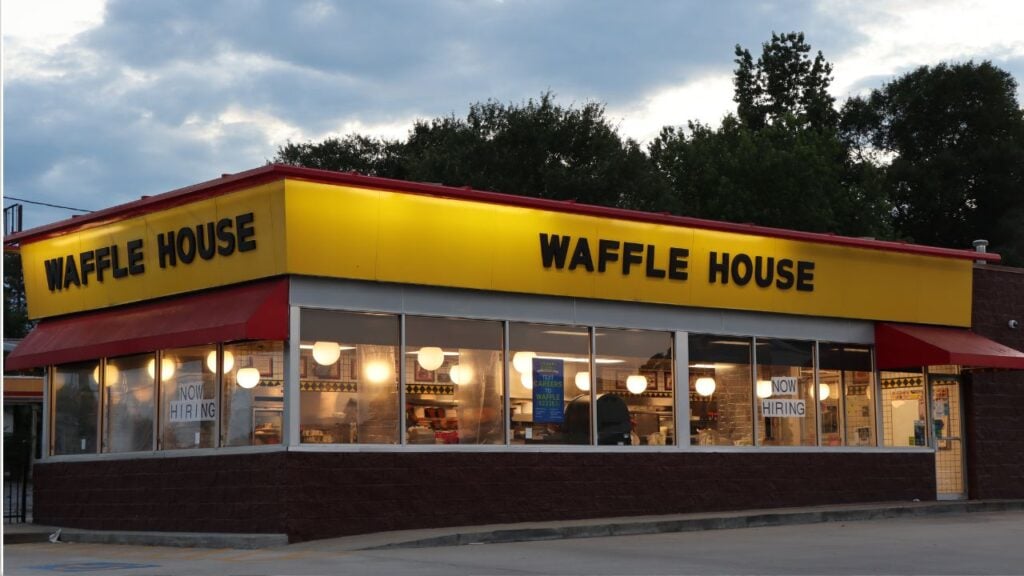
Order sweet tea anywhere else in the country, and nobody blinks.
Order it in Georgia the wrong way, and the whole table knows you're not from around here.
9 Georgia Traditions Every Newcomer Should Learn to Love
9 Georgia Football Traditions That Baffle Everyone From Outside the South
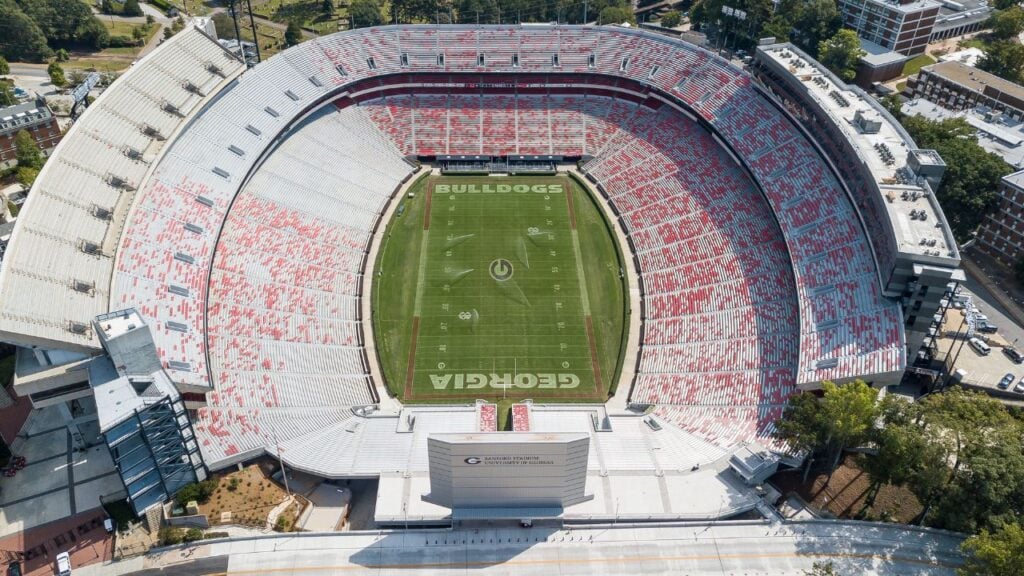
A Georgia Saturday in the fall runs on rules no rulebook ever wrote down.
Newcomers spend their first football season completely lost, and longtime fans wouldn't have it any other way.
9 Georgia Football Traditions That Baffle Everyone From Outside the South
