

Is South Carolina the New Florida for Retirees? What 2026’s Numbers Show

Is South Carolina the new Florida for retirees?
The 2026 numbers say yes, or at least that no state holds a stronger claim.
Florida barely broke even on retirees in 2025, while South Carolina posted the biggest net gain of retirement-age movers in the country.
The moving vans, the Census counts, and the tax code all point the same way.
Florida noticed.
Note: This is general information, not financial or tax advice. Confirm the details with a professional before acting.
What 2026’s Numbers Show
More than 2.1 million Americans 65 and older moved in 2025, by Florida Trend’s count.
Florida still attracted over 40,000 of them, but nearly as many packed up and left, putting the state’s net gain at just 815 people.
South Carolina came out the other side of that ledger on top, ahead of Texas, North Carolina, and Tennessee.
The truck rentals told the story early: U-Haul crowned South Carolina its top growth state for 2024, the first time the state ever topped that list, and it stayed in the top five for 2025.
U-Haul builds that index from millions of one-way rentals, so it’s less a survey than a confession.
United Van Lines’ latest movers study found 60.8% of its South Carolina moves were inbound, the second-highest share in the country.
The same study now rates Florida as balanced, with inbound and outbound moves roughly even.
Why Retirees Are Leaving Florida
Insurance did most of the pushing.
Florida homeowners now pay several times the national average to insure a house, per Florida Trend, and new structural-reserve rules handed many older condo buildings special assessments nobody budgeted for.
Those rules followed the Surfside collapse, and they require buildings three stories and taller to fund repairs in advance.
Costs like these hit fixed incomes hardest, since no paycheck grows to absorb them.
Homeowners association fees climbed faster in Tampa and Fort Lauderdale than anywhere else the brokerage Redfin tracks.
In a Florida Atlantic University survey cited by Florida Trend, half the respondents said rising costs have them thinking about leaving the state.
The ones who leave don’t go far north.
Movers call them halfbacks, since they stop halfway home, and the Carolinas catch most of them.
Upstate South Carolina, western North Carolina, eastern Tennessee, and northern Georgia soak up the bulk of the returners, per the same reporting.
Myrtle Beach Is the Proof
The Census Bureau counted the Myrtle Beach metro’s 65-and-older population growing 6.3% in a single year, the fastest senior growth of any metro in the country.
Locals used to call the place Dirty Myrtle.
Now the golf carts outnumber the bar crawls, and retirees who once defaulted to Sarasota or Fort Myers are signing closing papers in Horry County instead.
The area sells what Florida sold in 1985: Ocean, golf, and a mortgage that doesn’t demand a second career.
Home builders follow that demand. New 55-plus communities keep breaking ground across the Grand Strand.
Psst! Before reading on, take our quiz on America’s retiree migrations. Every question covers destinations, tax quirks, and moving trivia this article doesn’t mention, and a few of the answers surprise even seasoned snowbirds.
Quiz
Retiree Migration Trivia
Nine questions on where retirees move and why. We bet you won’t sweep them. Prove us wrong?
Where the New Arrivals Land
The Grand Strand takes the beach crowd, sixty miles of it, from Little River down through Murrells Inlet.
Bluffton and Hilton Head pull the planned-community set, complete with golf-cart garages.
Greenville catches the halfbacks who want mountains within an hour and a downtown that doesn't close at dusk.
Charleston takes whoever can absorb its price tags in exchange for the food and the history.
Columbia splits the difference, with the lowest home prices of the bunch and a straight two-hour shot to the sand.
Every one of those spots sits closer to the grandkids in Ohio than Naples ever was.
What South Carolina Taxes Look Like in 2026
South Carolina doesn't tax Social Security at all.
Residents 65 and older can deduct up to $10,000 of other retirement income per person, on top of a separate age deduction.
Income tax rates fell this spring: A law signed in March set 2026 rates at 1.99% on income under $30,000 and 5.21% above it, with future cuts tied to revenue growth.
The same law rebuilt the state's deductions around federal adjusted gross income, so returns get simpler at the same time they get cheaper.
Homeowners 65 and older also get the homestead exemption, which wipes out property taxes on the first $50,000 of a primary home's value.
Unprepared groceries skip the state sales tax entirely, though local add-ons can still apply at the register.
Owner-occupied homes get assessed at a lower rate than second homes, which is why the annual property tax bills make Northern transplants laugh out loud.
So, Is South Carolina the New Florida for Retirees?
On momentum, yes.
On the fine print, not entirely.
Florida still charges zero income tax, and South Carolina's 5.21% top rate is no rounding error on a large IRA withdrawal.
South Carolina also bills personal property tax on your car every year, and coastal insurance premiums have been climbing through Horry and Georgetown counties.
Budget for the vehicle renewal that arrives stapled to a county tax bill, a ritual Florida never asked of anyone.
Hurricane season doesn't skip the Palmetto State either, so coastal buyers still shop insurance quotes before house tours. Premiums vary street by street near the water, and a written quote beats a listing agent's guess.
Winters run cooler than South Florida's. Nobody pretends February on Pawleys Island feels like Key West.
The trade still lands in South Carolina's favor for most budgets: Lower buy-in, lower insurance, and most of the sunshine.
Plenty of the surprises waiting for new arrivals match the ones that shock Northerners who retire in North Carolina, from pollen season to county tax notices.
Run the numbers on your own mix of pension, withdrawals, and Social Security before the tax difference decides anything.
FAQ
Are more retirees moving to South Carolina than to Florida?
On net, yes. Florida gained just 815 retirees on net in 2025, while South Carolina posted the country's biggest net gain of retirement-age movers. Gross numbers still favor Florida, which attracts tens of thousands of new retirees a year.
Does South Carolina tax Social Security?
No. South Carolina exempts Social Security entirely, and residents 65 and older can also deduct up to $10,000 of other retirement income per person.
What are South Carolina's income tax rates for 2026?
A law signed in March 2026 set the rates at 1.99% on income under $30,000 and 5.21% above that, with future cuts tied to state revenue growth.
What is a halfback retiree?
A retiree who moved from the North to Florida, then relocated halfway back, usually to South Carolina, North Carolina, Tennessee, or Georgia. The nickname comes from movers and real estate agents who watched the pattern repeat.
Is South Carolina cheaper than Florida for retirees?
Usually. Home insurance and property taxes run far lower, though South Carolina charges annual property tax on vehicles and has a state income tax, which Florida doesn't.
Myrtle Beach's senior population has grown more than 22% this decade, the fastest of any metro in the country by the Census Bureau's math, and builders keep platting new neighborhoods to meet it.
Nothing in this year's numbers hints at a slowdown.
Where Retirees Are Moving Instead of Florida in 2026 (the ‘Halfback' States)
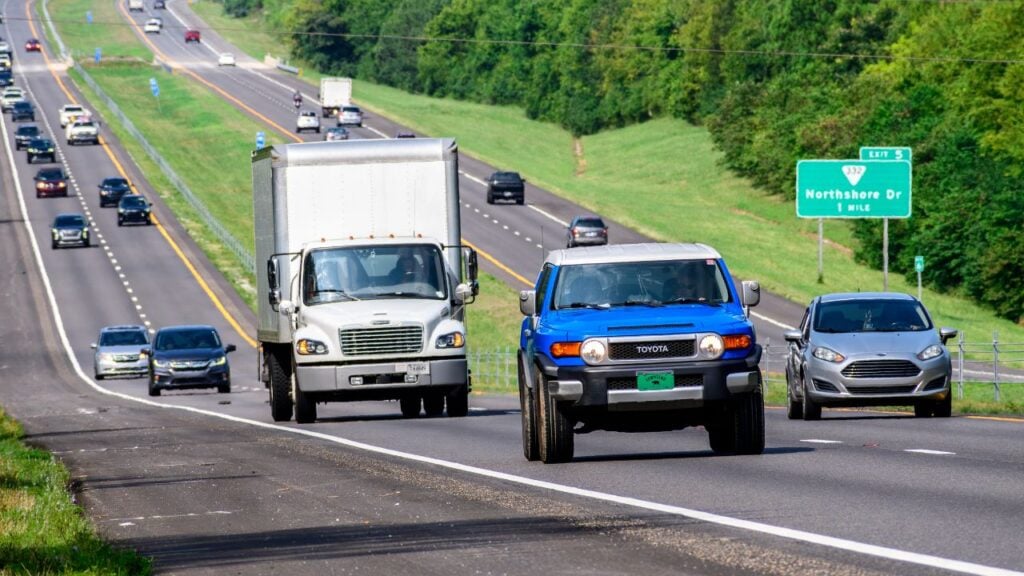
More retirees are leaving Florida than at any point in decades, and plenty aren't going all the way back north.
They're stopping halfway, in the states movers nicknamed the halfback belt.
The winters stay mild, and the insurance bill stops reading like a second mortgage.
Where Retirees Are Moving Instead of Florida in 2026 (the ‘Halfback' States)
7 Hidden Costs Catching South Carolina Retirees Off Guard

The Palmetto State saves retirees money right up until it doesn't.
Your car gets taxed like real estate, every single year, and coastal insurance premiums have been climbing since 2023.
Seven costs to see coming before the moving truck does.
