
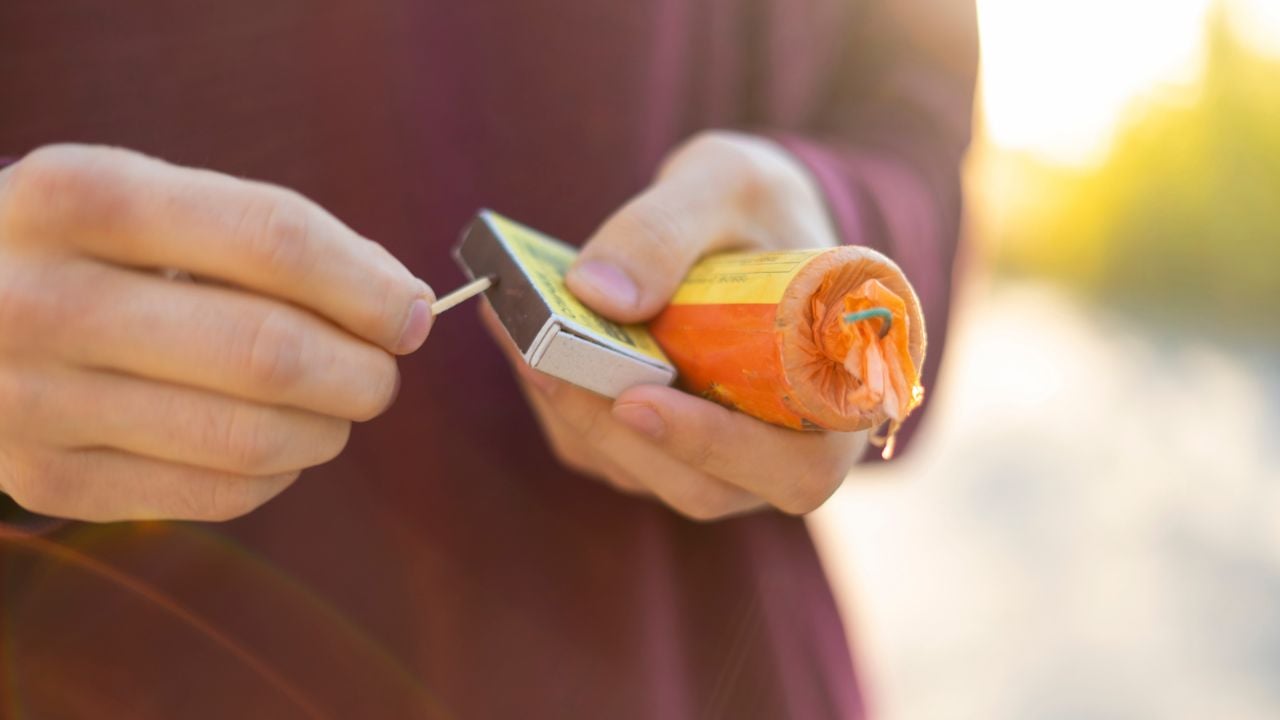
Pennsylvania Lets Fireworks Fly Until 1 a.m. on New Year’s. 6 Rules That Still Get Pennsylvanians Fined

New Year’s Eve is about a month away, and the fireworks stands will be busy soon.
Before you hand out the lighters at the party, it’s worth knowing who’s allowed to use them.
These are the firework rules that get Pennsylvanians fined.
Note: This is general information, not legal advice. Fireworks rules and local ordinances are subject to change, so confirm the current requirements with the Pennsylvania State Police and your municipality.
1. 150-Foot Buffer
Consumer fireworks can’t go off within 150 feet of a building or vehicle, even a house or truck you own.
The buffer covers vehicles as well as buildings, so a car parked at the curb counts.
You need half a football field, or 50 yards, between the fireworks and the nearest roof or bumper.
On a narrow lot, you may not have a legal spot at all.
Aiming them at a building or vehicle, or firing them from one, is off the table too.
If you break that rule, you face a summary offense with a fine of up to $500 for a first offense.
A repeat violation within three years of a conviction raises the cap to $1,000.
That state penalty applies to any violation of the use rules, not just this one.
2. Livestock Setbacks
Around barns and pastures, consumer fireworks have to stay 150 feet back from any animal housing facility or fenced livestock area that someone else owns or manages.
Written notice only works at the longer range.
Between 150 and 300 feet, you can use them only after you notify the livestock owner or manager in writing at least 72 hours in advance.
If your yard backs up to a neighbor’s livestock pasture, your list of launch spots just got shorter.
A setback violation is the same summary offense, with a fine of up to $500.
How Early Livestock Notice Has to Go Out
The law counts back 72 hours from the moment you light consumer fireworks near livestock.
Say you plan a launch at 12:30 a.m. on Jan. 1.
Your written notice then has to reach the livestock owner by 12:30 a.m. on Dec. 29, three days earlier.
3. Property Owner Permission
Consumer fireworks need the express permission of whoever owns or controls the property, whether it’s public or private.
That covers a church parking lot, a township ball field and a friend’s back field, so you need the owner’s okay before anything goes up.
Lighting them without that okay is a summary offense too, and the fine can run up to $500.
4. Fireworks Under the Influence
Pennsylvania’s fireworks law bans using consumer fireworks while you’re under the influence of alcohol, a controlled substance or another drug.
The law covers more than alcohol.
That rule applies on New Year’s Eve like any other night.
If you’ve been drinking at the party, hand the lighter to somebody who hasn’t.
The fine is up to $500 for a first offense, and a repeat within three years of a conviction can double it.
5. Age-18 Minimum
Pennsylvania lets people 18 and older buy, possess and use consumer fireworks.
If you have teenagers at the party, they can watch the show, but they can’t light the fuse.
Use by anyone under 18 breaks the state’s fireworks law, which carries a fine of up to $500 for a first offense.
6. Your Town’s Rules
Consumer fireworks face local rules because the state lets municipalities set conditions, prohibitions and limits on their use.
A town can require a permit to use consumer fireworks, with a reasonable fee.
If you live on a rowhouse block or in a tight subdivision, check your municipality’s ordinance before the party.
On Dec. 31, state law lets you use consumer fireworks until 1 a.m. the following day.
A town can’t cut that window short.
A town can still ban use where the 150-foot rule can’t be met, even on that night.
After 1 a.m. on Jan. 1, a town with a nighttime limit can generally enforce it.
In June 2023, Scranton’s city council passed an update to the city’s fireworks code.
The fine is up to $500 for a first offense, then $750 for a second and $1,000 for each later offense.
Psst! How much do you know about Pennsylvania’s holiday traditions and fireworks history? Take our quiz and see if you can ace it.
Quiz
Keystone State Trivia
Answer these questions on Pennsylvania’s holiday traditions, history and fireworks makers. We bet you can’t get them all right. Prove us wrong?
In 2021, a giant wrench was the New Year’s Eve countdown object in which Pennsylvania town?
Display Fireworks and Felonies
Display fireworks are a separate category from consumer fireworks, and the State Police say they're for professionals only.
That category includes salutes over 130 milligrams and aerial shells with more than 60 grams of pyrotechnic composition.
Any display in your town needs a permit from the municipality hosting it.
Selling or using display fireworks in violation of the law is a third-degree felony with a fine of at least $10,000 for a first offense.
The law names M-80s and cherry bombs as illegal explosives, and selling them carries the same felony penalties.
Licensed Stores and Seizures
You have to buy consumer fireworks from a licensed, permanent structure.
If you order online, by mail or by any other remote method, the delivery has to go to a licensed permanent structure.
State Police, certified municipal police, sheriffs and deputies can seize fireworks that are sold, used, stored or held in violation of the law.
If fireworks stored in your garage or kept in your trunk break the law, an officer can take them.
6 Discontinued Hershey Candies Pennsylvanians Still Miss
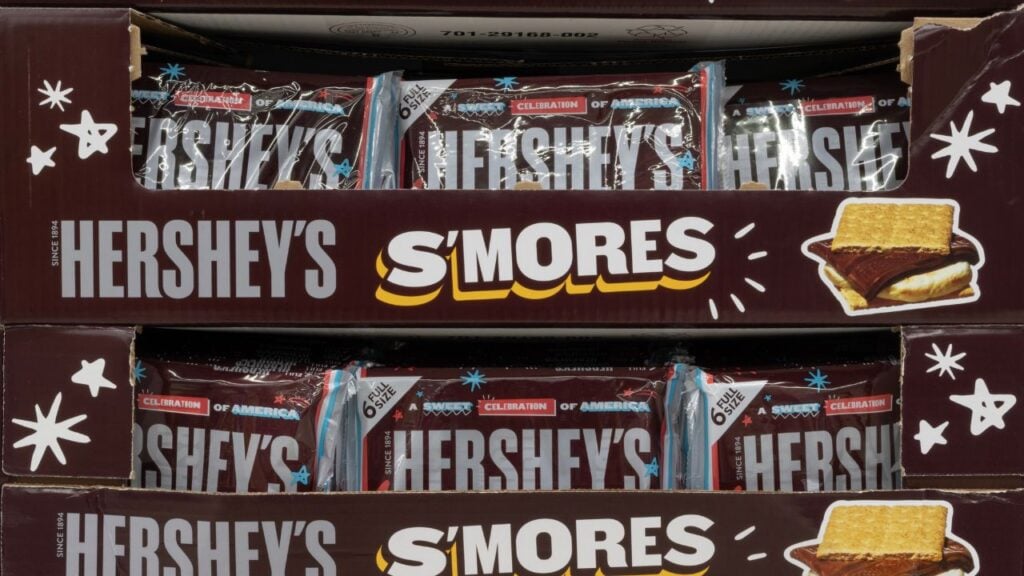
Everyone has a candy they'd buy again in a heartbeat if it came back.
Some Hershey favorites left the candy aisle, and fans remember them well.
6 Discontinued Hershey Candies Pennsylvanians Still Miss
7 Security Deposit Rules That Catch Pennsylvania Landlords Off Guard After a Tenant Moves Out
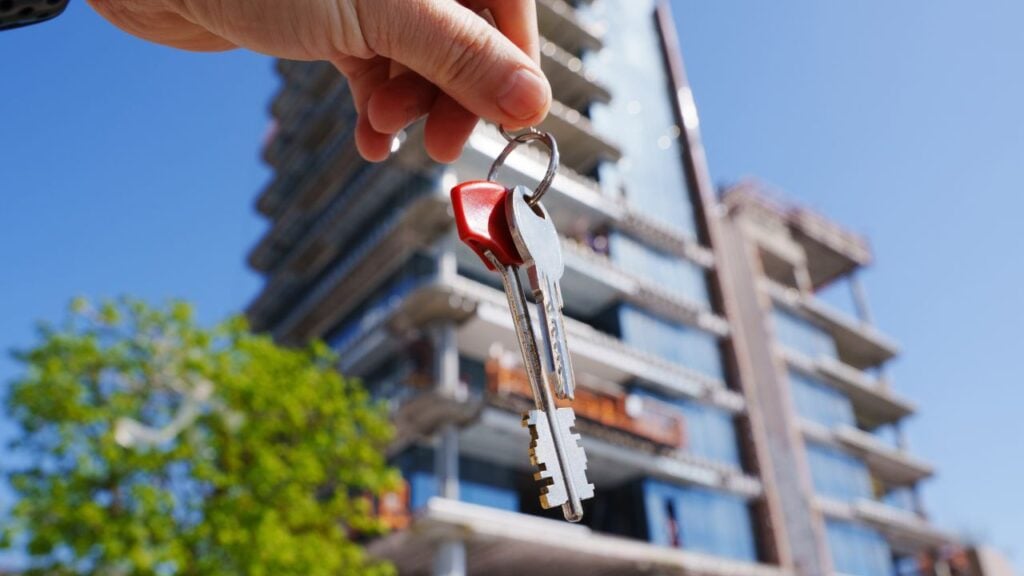
Once a tenant hands back the keys, it can feel like the hard part is over.
For Pennsylvania landlords, the security deposit comes with strict rules, and one slip can cost you.
7 Security Deposit Rules That Catch Pennsylvania Landlords Off Guard After a Tenant Moves Out
