
Sam’s Club or Costco: Which One Actually Saves California Shoppers More

California Costco shoppers who upgrade to an Executive membership can earn back up to $1,250 a year in rewards.
Sam’s Club’s Plus members cap out $500 lower, at $750.
Neither number settles anything on its own, not with California gas pushing past $5 a gallon and one of these chains sitting far closer to home than the other.
Here’s what decides which membership saves California shoppers more, Costco or Sam’s Club.
Warehouse Access Across California
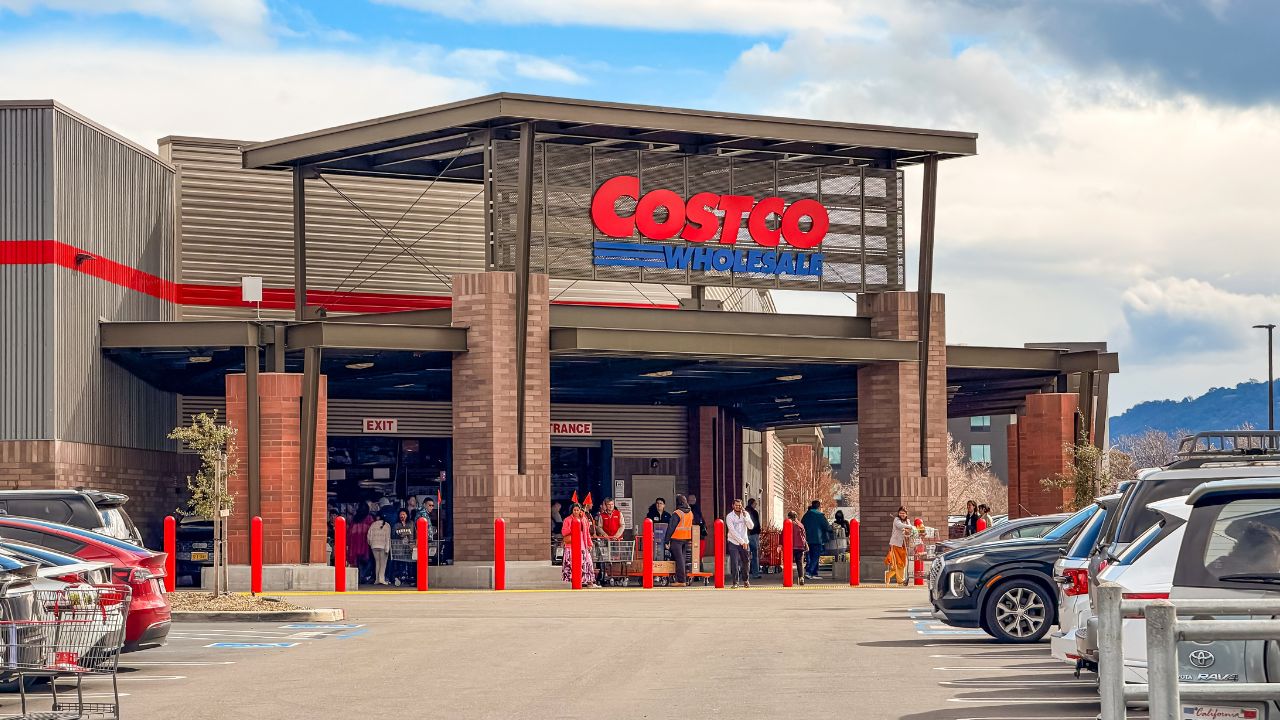
Costco operates 144 warehouses across California, the most of any state and close to a fifth of every Costco in the country.
Sam’s Club counts only 30 stores in the same state.
That’s a wide gap.
Sam’s Club is trying to close it, with new stores expected to open in Lathrop and Visalia, two Central Valley cities that never had a warehouse club of their own.
Costco already sits within a short drive of many California metros, from the Bay Area down through the Inland Empire, while a Sam’s Club run can mean crossing a county line first.
Extra miles burn gas before either club’s discount ever kicks in.
Membership Fees Start the Math
Costco charges $65 a year for its entry-level Gold Star membership, and $130 for the Executive tier.
Sam’s Club charges $60 for its Club membership and $120 for Plus, after both prices rose in May.
Sam’s Club wins the sticker price by five dollars at the base level and ten dollars at the top.
Not by much.
Neither gap decides anything on its own. What a membership earns back matters more than what it costs to join.
Executive and Plus Rewards Compared
Costco pays Executive members a 2% reward on many purchases, capped at $1,250 a year.
Sam’s Club pays Plus members the same 2%, but caps it at $750 a year in Sam’s Cash.
Costco wins there.
A California household spending $4,000 a year on bulk groceries, tires, and gas earns $80 back at either club, since 2% is 2% up to the cap.
Sam’s Club also gives Plus members an earlier shopping window, starting at 8 a.m., while Costco reserves 9 to 10 a.m. on weekdays and Sunday for Executive members only.
Neither hour saves a shopper cash directly.
But a quieter warehouse means fewer impulse buys crowding the cart before checkout.
The Break-Even Math on Costco and Sam’s Club
Costco’s Executive upgrade costs $65 more than Gold Star.
So, a shopper needs to spend about $3,250 a year at Costco before the 2% reward earns that upgrade back.
Sam’s Club’s Plus upgrade costs $60 more than Club, and that math needs only about $3,000 a year in spending at Sam’s Club to break even.
Sam’s Club’s smaller fee gap means it pays for itself on less spending, even with a lower overall cap.
Gas Discounts at California Pumps
Costco and Sam’s Club price their fuel islands against a California average that rose past $5.60 a gallon for regular this summer, according to the American Automobile Association (AAA), among the highest in the country.
Both clubs still undercut that average, typically five cents to twenty-five cents a gallon cheaper depending on the neighborhood.
On a 15-gallon fill-up, that spread runs anywhere from under a dollar to almost four dollars saved, and it applies the same way at either chain.
The advantage in California comes down to proximity, not the sticker on the pump.
Location wins.
A Costco five minutes away beats a cheaper Sam’s Club fifteen minutes past it, once the extra drive burns its own gas.
Return Policies Protect the Purchase
Costco backs many purchases with no set return deadline at all, a generator included.
Electronics are the exception: TVs, computers, and major appliances have to go back within 90 days.
Sam’s Club matches that 90-day window on electronics and major appliances, but heavy equipment and motorsports items, generators among them, get only 30 days there.
Miss that window at Sam’s Club, and a $730 generator that Costco would still refund without question sits unreturnable in the garage.
That’s a costly gap.
Cell phones only get 14 days at Sam’s Club.
Costco doesn’t sell phones under a carrier contract the same way, so that particular clock never starts.
Read the fine print before a bulk purchase leaves the parking lot.
Food Court Prices Over a Year
Costco’s food court still sells its hot dog and soda combo for $1.50, a price it has held for decades.
Sam’s Club undercuts it at $1.38 for the same combo, and its whole pizza runs $8.98 against Costco’s $9.95.
Pennies still count.
A family stopping at the food court every weekly trip adds those cents up across fifty-two visits a year.
California taxes hot food at both warehouse clubs the same way, even though regular groceries are exempt from sales tax statewide.
A cold rotisserie chicken skips that tax under state rules.
A hot slice from either food court never does.
Psst! See exactly how Costco and Sam’s Club stack up across California, fee by fee. Tap a column to sort, or search for the number that matters most to you.
9 Trader Joe’s Favorites California Shoppers Race the Clock to Buy
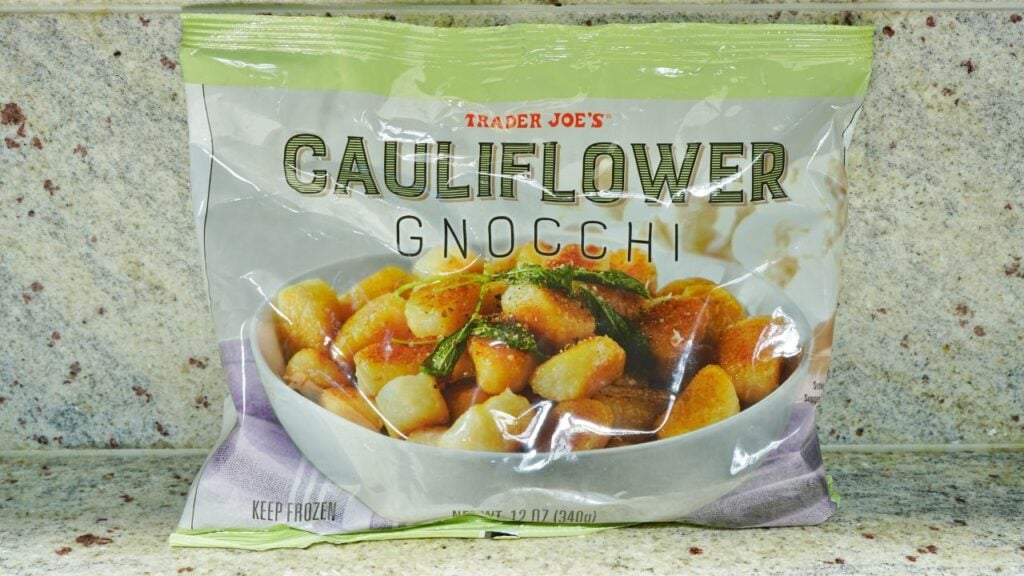
A $2.99 canvas tote once turned into a line stretching out the door the week a mini-tote restock hit shelves, with many stores capping shoppers at four bags apiece just to keep the line moving.
Membership fees and gas discounts aren’t the only place California shoppers race the clock, and a warehouse club membership doesn’t cover this list.
9 Trader Joe’s Favorites California Shoppers Race the Clock to Buy
7 Snobbiest Grocery Stores in America, 3 Are in California
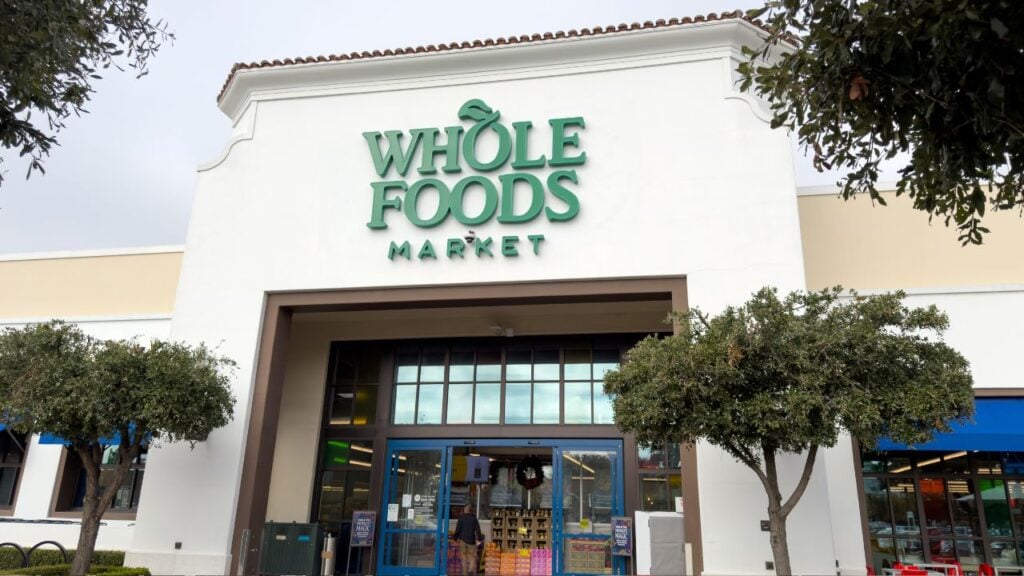
A snobby grocery store doesn’t need a single price tag to make a shopper feel out of place, not when the valet stand out front already does the job.
Three of these stores sit in California, tucked behind Rodeo Drive boutiques and Craftsman bungalows alike, a world away from a warehouse club’s concrete floors.
