
Texas Has No Income Tax, So Why Are Retirees’ Property Tax Bills Exploding?

The deal sounded perfect. Move to Texas, keep your whole pension, and let a state with no income tax leave your retirement savings alone.
Your pension survived intact. Your property tax bill is where Texas collects.
If you crossed the Red River for the tax break, you might now be staring at a number that climbs every single year.
Here’s why.
Note: This is general information, not tax or legal advice. Property tax rules vary by county and taxing unit and change often. Check with your county appraisal district or a tax professional about your own bill before acting on anything here.
The Bargain Texas Made
That no-income-tax pride has a price, and it shows up on your home instead of your paycheck.
Texas funds most of its local government through property taxes. Schools, roads, police, hospitals, libraries, the whole list.
With no income tax filling the bucket, your property tax has to.
That single design choice pushes Texas property tax rates among the highest in the nation. The state giveth on income and taketh on the homestead.
So the bragging and the bill come from the same trade, two ends of one rope.
For most working Texans, the trade pays off.
If you’re living on a fixed check with no paycheck left to shield, your property tax is the entire game.
Your Tax Bill Has Many Authors
Here’s the part that catches newcomers off guard. There’s no single Texas property tax. Your bill is a stack of them.
Your homestead gets taxed by the school district, the county, and the city, with a community college district and a hospital district often piling on.
Each sets its own rate. Each wants its cut.
The school district usually takes the biggest bite, often more than half.
But the others add up fast, and they don’t sit in the same room when they vote.
When the Legislature passed its big relief package, it aimed almost entirely at the school portion. The city, the county, and the special districts kept right on setting their own rates.
So you can watch your school line drop and your total bill still climb, because four other authors are writing on the same page.
The Relief Was Real
Give the state its due. The 2025 relief was historic, and the numbers are large.
Texas voters approved a school district homestead exemption of $140,000, up from $100,000, taking effect in 2026.
If you’re 65 or older, you stack another $60,000 on top, shielding $200,000 of your home’s value from school taxes.
The state also compressed school tax rates, spending surplus dollars to buy them down.
The Texas Comptroller reported the average homeowner’s bill fell about 28 percent in 2024 compared with 2023.
It adds up to real money. If your home is modest, the school portion of your bill can round down to almost nothing.
The trouble is what the relief didn’t touch, and what the market did next.
The Appraisal Keeps Climbing
Every spring, the appraisal district mails the notice that ruins Texas breakfasts.
In the booming metros and across the Hill Country, home values have climbed for years.
A higher appraisal means a higher taxable value, which means more tax even when the rate holds steady.
Relief lowers the rate, and the exemption lowers the value. But a fast-rising appraisal claws much of it back.
The state cuts with one hand while the market raises with the other.
There’s a newer wrinkle too. Appraisal districts have rolled out computer-driven valuation systems statewide, and they can push your assessment higher and faster than the old methods did.
Your protest is the counter-move, and Texans treat it as a civic sport.
Mark May 15, gather your comps, and challenge the number before the Appraisal Review Board.
The Cap That Doesn’t Cap the Bill
Texas limits how fast your homestead’s appraised value can rise: 10 percent a year.
That sounds like ironclad protection. But read the fine print.
The cap holds down your assessed value, not your tax bill.
If the city and county raise their rates, your bill can jump more than 10 percent even with the cap in place.
Value times rate equals tax. The cap pins one number down and leaves the other free to roam.
It’s the kind of detail that fools careful people, the ones who saw “10 percent cap” and assumed the bill could never outrun it.
It can, and for plenty of homeowners, it has.
The Freeze That Only Freezes Half
Now the part that matters most to you as a retiree, and the answer hiding inside the question.
The year you turn 65 and file, your school district taxes freeze at that year’s amount.
The famous over-65 tax ceiling locks your school taxes for as long as you own the home.
Here’s the catch nobody mentions at the closing table: The freeze covers school taxes. It doesn’t cover the city, the county, the hospital district, or the community college district.
Those authorities keep raising their levies, and your “frozen” bill thaws a little more every year on the lines the freeze never touched.
You can do everything right, claim every exemption, win the freeze, and still watch your total creep upward, because half the bill was never frozen in the first place.
The MUD in the Master-Planned Dream
Texas hides one more taxing layer in exactly the places you’d love to retire.
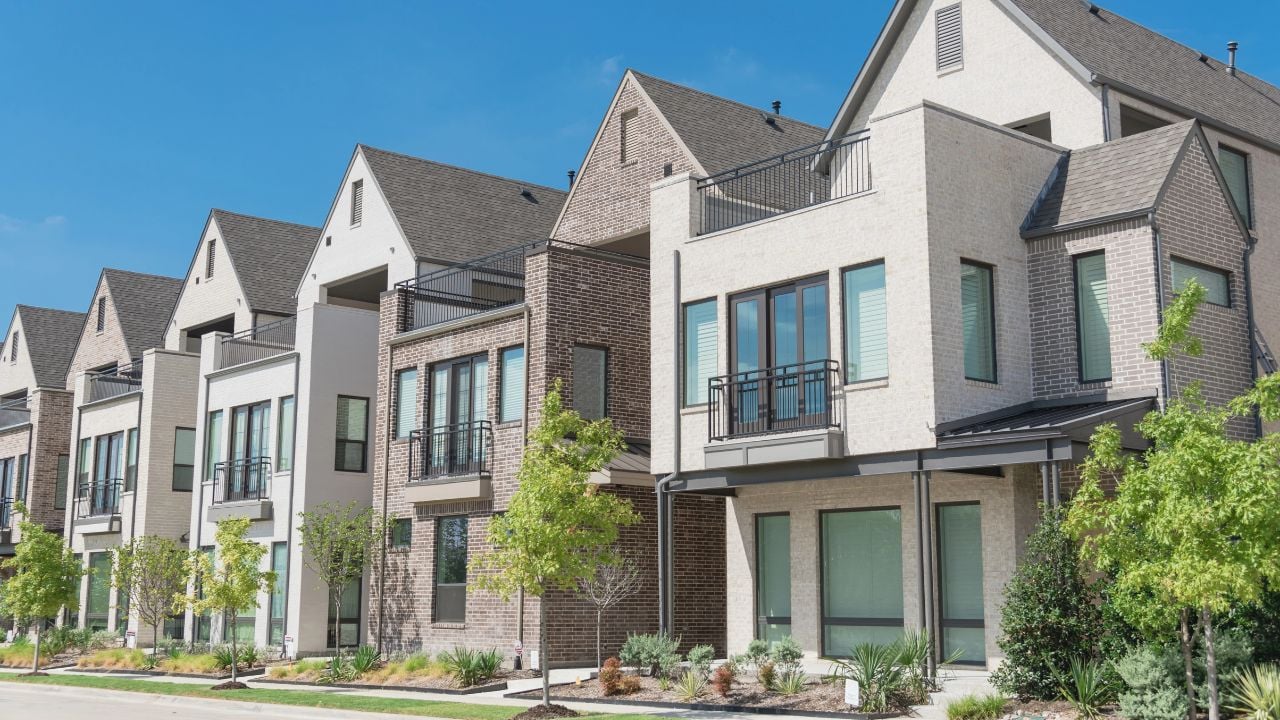
Those gleaming master-planned suburbs around Houston, Austin, and Dallas, the ones with the walking trails and the brand-new clubhouse, are often built inside a Municipal Utility District. A MUD.
The MUD borrowed money to build the water lines, the roads, and the amenities, and it repays that debt through, you guessed it, a property tax.
One that sits on top of all the others.
If you downsize into a shiny new place in Georgetown, Frisco, or New Braunfels, you may find the MUD tax buried in your closing paperwork, adding hundreds or thousands a year without fanfare.
The MUD tax can fall over time as the debt gets paid down.
It can also stay steep for decades.
Either way, your over-65 school freeze does nothing to touch it.
What You Can Still Do
The bill climbs, but you’re far from powerless.
File the over-65 exemption and lock your school tax ceiling the year you qualify, because the freeze only starts once you claim it.
Waiting costs you.
Protest your appraisal every year by May 15. Bring comparable sales, point out the cracked driveway and the dated kitchen, and make the appraisal district defend its number.
Plenty of seniors knock real money off this way.
And know about the deferral. If you’re 65 or older, you can postpone your property taxes entirely, letting the bill wait until the home sells, in exchange for modest interest.
It’s a tool for the house-rich and cash-poor, not a free lunch, but it has kept many seniors in homes they’d otherwise have lost.
No income tax was the promise that brought you here. The property tax is the fine print.
Read it once, work every exemption it offers, and your Texas bargain still comes out ahead, just not by as much as the bumper sticker swore.
12 H-E-B Shopping Secrets Texans Know That Outsiders Don’t
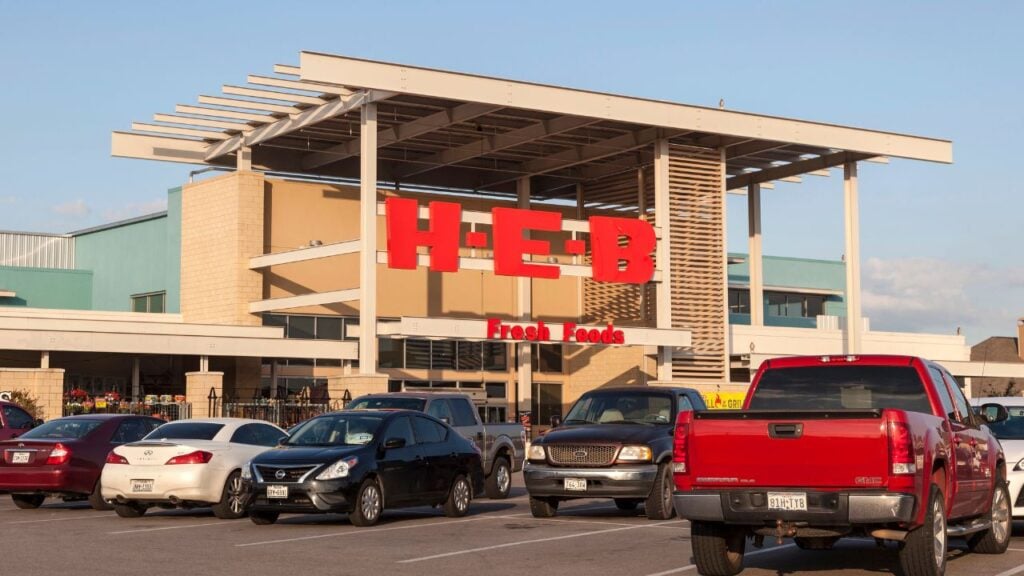
Many Texans are fine with letting the rest of the country underestimate their favorite store.
But for those curious enough to look closer, these are the secrets every H-E-B shopper knows that outsiders don’t.
12 H-E-B Shopping Secrets Texans Know That Outsiders Don’t
8 Buc-ee’s Mistakes Visitors to Texas Make Every Single Trip

Texans can spot an out-of-state visitor at Buc-ee’s from 20 feet away.
By the time visitors figure out the unspoken rules at Buc-ee’s, they’ve already broken half of them.
8 Buc-ee’s Mistakes Visitors to Texas Make Every Single Trip
