
The Awkward Truth Behind Georgia’s Peach State Nickname

Ask a Georgia driver what the state grows best, and “peaches” comes back before the question even finishes.
That answer feels like common sense.
It’s also not the full picture.
These are the numbers behind Georgia’s Peach State name that don’t match the reputation the way people assume.
How Georgia Earned Its Nickname
Georgia’s reputation as the Peach State didn’t start with a marketing slogan.
It started with a Belgian nursery family and a Middle Georgia farmer chasing a better peach.
A Columbus farmer named Raphael Moses got there first.
Moses packed peaches into champagne baskets in 1851 and shipped them north by rail, the first grower to sell Georgia peaches successfully outside the South.
Prosper Berckmans planted an experimental nursery near Augusta a few years later, testing which fruit varieties thrived best in Georgia’s clay soil.
Decades of trial and error followed.
In 1870, a Marshallville grower named Samuel Rumph found a yellow-fleshed peach so much better than the rest that he named it after his wife, Elberta.
Rumph didn’t stop there.
He also built a refrigerated rail car that could carry Georgia’s peaches north without spoiling.
Growers and shippers used refrigerated cars like his to send Georgia peaches to grocers and produce stands across the country.
Georgia’s peach industry boomed for the next several decades.
By 1928, farms across the state were shipping out 8 million bushels a year, an all-time high.
That harvest is what built the nickname, and the reputation never checked back in with the numbers once the harvest changed.
The Numbers Behind the Nickname
Georgia’s nickname promises the country’s top peach harvest, and the government’s own numbers tell a different story.
The U.S. Department of Agriculture places Georgia third in the nation for peach production, behind California and South Carolina both.
That’s third place.
In the government’s most recent full state-by-state count, California’s growers brought in 475,000 tons of peaches in a single year.
South Carolina’s growers brought in 67,400 tons.
Georgia’s growers brought in 24,800 tons, less than half of South Carolina’s haul and a sliver of California’s.
A state about a third of Georgia’s size out-grew Georgia’s peach crop that year, by more than 40,000 tons.
Georgia’s own acreage backs up the same story.
The most recent Census of Agriculture counted just 11,877 acres of peach orchards in Georgia, again trailing both states ahead of it, per that same government count.
Georgia’s total wasn’t a bad year either.
It’s just what an ordinary season looks like for the state that put its name on the fruit.
The Math Behind Georgia’s Third-Place Harvest
Georgia’s peach growers brought in about 24,800 tons in the government’s most recent full state-by-state count.
South Carolina brought in 67,400 tons that same year, nearly triple Georgia’s harvest.
California brought in 475,000 tons, about nineteen times what Georgia grew.
Why the Name Stuck Anyway
Georgia never gave up the Peach State identity, even as the harvest numbers slipped behind two other states.
Georgia kept building the nickname into official symbols anyway.
Georgia carved out a whole county named after the fruit in 1924, Peach County, decades before the peach carried any official title at the state level.
One county wasn’t enough.
Georgia didn’t add a peach graphic to its own license plates until 1990, more than a century after Samuel Rumph shipped his first refrigerated railcar of Elbertas north.
The peach wasn’t even Georgia’s official state fruit until five years after that.
Georgia signed the peach into law as its state fruit on April 7, 1995, years after South Carolina had already pulled ahead of it in the orchard.
Lawmakers were catching up to a nickname that predated them.
Tourists still buy peach magnets and Georgia-shaped ornaments at gas stations from Savannah to Chattanooga, regardless of which state grew the fruit sitting in the produce bin next to them.
Those shoppers are buying the nickname, not the orchard behind it.
Psst! How much do you know about Georgia’s history? Take our quiz and see how many you can get right.
Quiz
Georgia History IQ
Answer nine questions on Georgia’s founding, symbols, and quirks many people never learn. We bet you can’t get them all right. Prove us wrong?
Georgia’s Dahlonega Gold Rush kicked off a mining boom in 1828. How does it compare to California’s famous 1849 rush?
Blueberries Beat the Peach
Georgia's own agriculture numbers reveal one more surprise about its favorite fruit.
Peaches aren't even Georgia's most valuable fruit crop anymore.
That surprises people.
Blueberry growers now earn more than peach growers do.
Georgia's blueberry crop is worth about $449 million a year, according to state agriculture figures.
Peaches don't even crack Georgia's top 10 most valuable farm commodities.
Peaches take zero of those ten spots.
Broiler chickens top that list at close to $6.7 billion, trailed by cotton, eggs, peanuts, and timber.
Peaches rank well behind all five.
Georgia's farmers still grow the fruit because the state's climate and soil favor it.
The crop just doesn't carry Georgia's farm economy the way it once did.
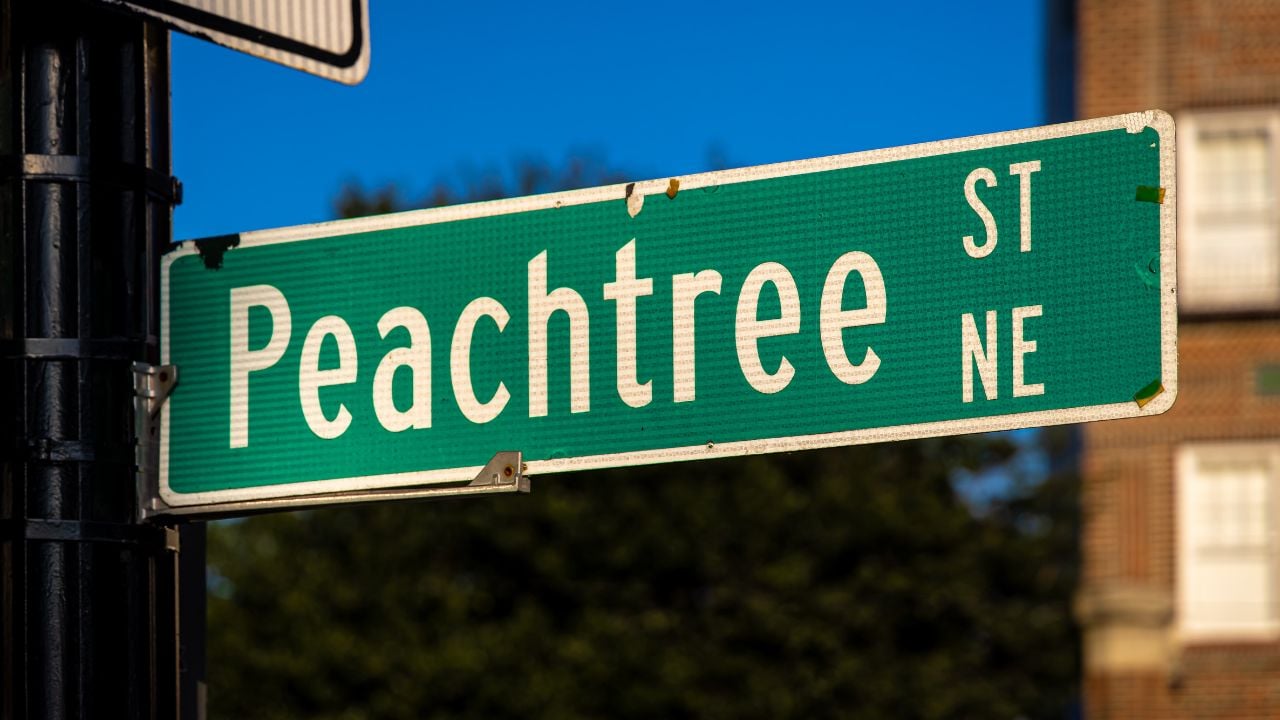
Peachtree Street's Twist
Georgia's best-known peach reference might not even be about peaches at all.
Atlanta carries more than 70 streets, roads, and lanes with "Peachtree" in the name.
Many visitors assume every street traces back to an actual tree.
The story runs through a Muscogee Creek village once called Pakanahuili, translated long ago as "standing peachtree."
Lt. George Rockingham Gilmer, a future Georgia governor, built Fort Peachtree on a hilltop above that village in 1814, guarding the spot where Peachtree Creek meets the Chattahoochee River.
That riverbank eventually grew into Atlanta.
Historian Kenneth Krakow has argued that translation was wrong, and that the original word meant "standing pitch tree," a reference to the sticky sap of a pine.
Peach sounded better.
Nobody markets a sticky pine forest to tourists.
The sweeter word, peachtree, is the one that stuck on Atlanta's street signs.
9 Things Georgia Shoppers Should Never Buy Secondhand
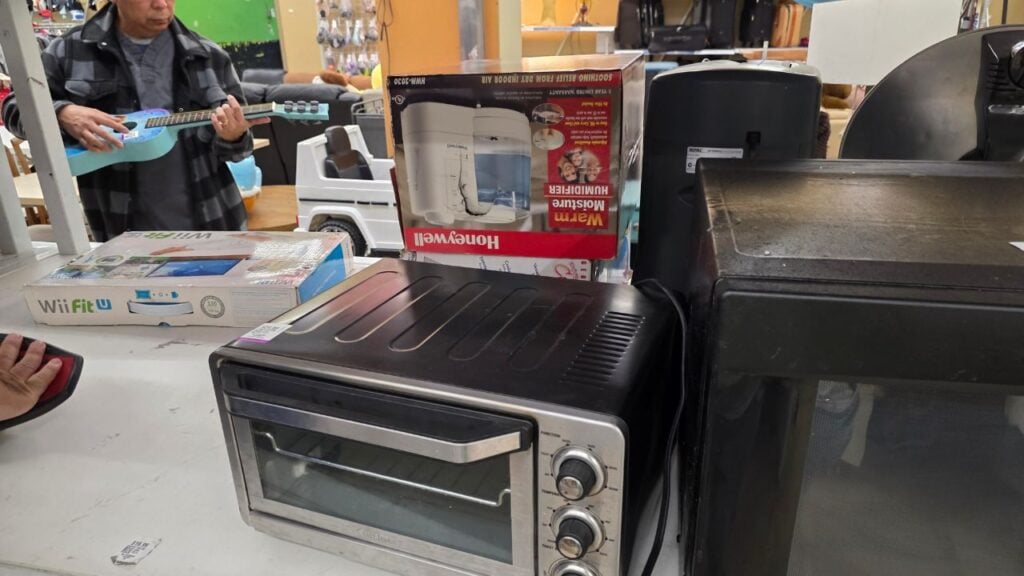
A federal recall doesn't stop applying just because a product changed hands at a Georgia yard sale.
The occasional item on a flea market table carries a fire risk, a recall, or a food-safety problem the price tag never mentions.
9 Things Georgia Shoppers Should Never Buy Secondhand
10 Things That Surprise First-Time Aldi Shoppers in Georgia
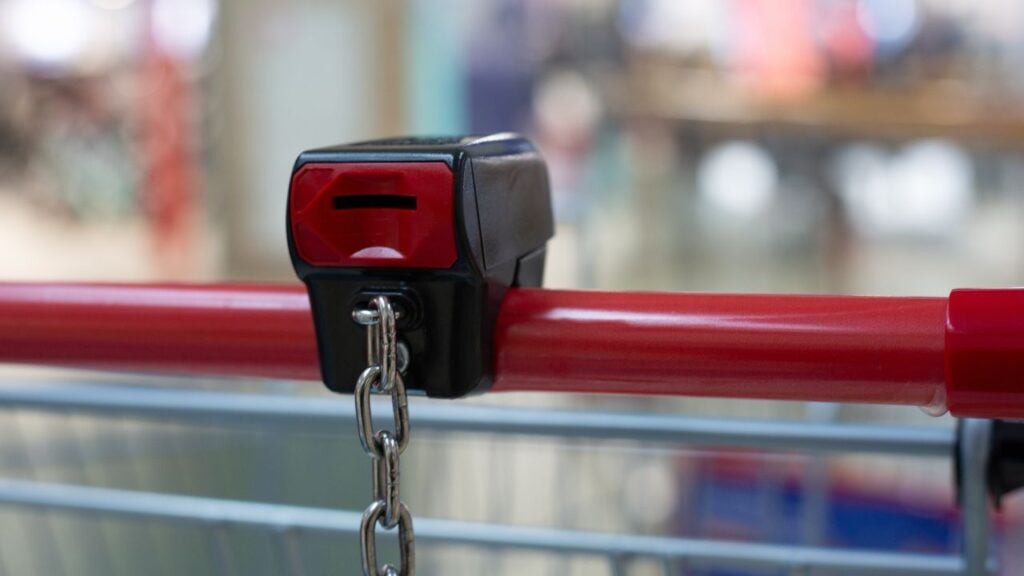
A shopper at the Aldi cart corral in Marietta pats down every pocket looking for a quarter, and nobody warned her she'd need one.
She isn't the only Georgia shopper caught off guard on a first Aldi run this week.
