
10 Hosting Habits That Split Georgia Families Along Generational Lines

National polling found 64% of adults 55 and older would never ask a guest to take their shoes off, a full 14 points above the national average.
Among millennials, 64% at least sometimes do.
Same house, same family, two answers, and neither side thinks the question is up for debate.
These are the hosting habits that split Georgia families along generational lines.
1. Whether the Good China Comes Out for Guests
In many families, the good china spends the year locked behind glass in a cabinet nobody touches.
A lot of Georgia’s older hosts only bring it down once company sits at the table, whether that’s Sunday dinner or somebody’s birthday.
Everyday plates don’t count.
Their kids running that same kitchen now often skip the ceremony completely, pulling out the same stoneware they use every night of the week.
It isn’t about laziness so much as a genuine disagreement over what having someone over is supposed to look like.
2. Shoes Off at the Door
A pair of shoes by the front door can tell a visitor exactly what kind of house they’ve walked into.
Older hosts overwhelmingly let it go.
National polling shows how firmly that splits by age.
64% of adults 55 and older say they’d never ask a guest to take their shoes off, a full 14 points above the national average.
Shoes stay on.
Younger hosts break from that far more often, with 64% of millennials saying they at least sometimes ask a visitor to leave their shoes at the door.
The South overall still leans toward the older habit, reporting the highest share of any U.S. region who say they never ask a guest to take shoes off.
3. Confirming Plans in Advance or Just Showing Up
An open door used to be the only invitation many families needed.
Older hosts still work that way, trusting that kin can show up at Sunday dinner without a phone call, let alone a formal invite.
Just knock and walk in.
Their kids run gatherings differently, sending a group text or a digital invite that asks for a headcount days before anyone arrives.
A last-minute knock at the door throws off a menu built for a set number of plates.
4. Keeping the Front Room Off-Limits Until Company Arrives
The front room stays shut on any ordinary day in many older homes, its couch covered and its doors closed until company’s expected.
It’s a holdover from the formal parlor Southern houses once reserved strictly for guests.
Doors stayed shut the rest of the week so the good furniture wouldn’t fade or wear out.
The plastic stayed for years.
Kids hosting in the same house these days knock walls out instead, folding that room into one open living space where everybody hangs out, guests included.
5. Whether Alcohol Touches the Table
Alcohol never touches the table at some Georgia family gatherings, and that’s not an accident of taste.
Georgia was the first state in the South to go completely dry, passing a statewide alcohol ban in 1907 that stayed in effect until 1935.
It stuck.
Grandparents raised in a Baptist household without a drop of wine at the table often keep hosting that way out of habit more than doctrine.
Their kids pour wine or mix a cocktail without a second thought, treating dry hosting as their parents’ rule and not theirs.
Why Some Georgia Tables Still Go Dry
Georgia’s dry-hosting habit has legal roots that outlived statewide Prohibition by decades.
Sunday package sales stayed illegal everywhere in the state until 2011, when Gov. Nathan Deal signed a law letting individual cities and counties vote on allowing them.
That referendum passed in 110 of the 127 places that held one.
The rest didn’t, so a family’s dry-hosting rule can still depend on which county they grew up in.
6. How Long It Takes to Say Goodbye
Goodbye doesn’t mean the visit is over for many older hosts.
The whole production runs through a round of hugs, a fresh conversation nobody planned on, and a slow walk out to the car while everyone keeps talking.
The porch light stays on.
Grown kids in the same family increasingly skip the production, sending a quick text from the driveway instead of drawing out a goodbye that can run past half an hour.
7. Letting Guests Help in the Kitchen
Older hosts in many families have one rule: Sit down, you’re company.
Many older hosts wave off any offer to wash a dish or refill a bowl.
Letting a guest work in the kitchen would defeat the whole point of hosting them.
You’re a guest, not staff.
Younger hosts are increasingly turning dinner into a shared effort instead.
That shift has been reported nationwide, with more people leaning on potluck-style gatherings to save money and split the work.
In that house, a guest bringing a side dish or helping plate dessert is the whole plan, not an afterthought.
8. Whether Guests Leave With a Plate
Older relatives rarely let a guest leave their house hungry, whether the guest wants seconds or not.
Fixing a plate for a departing guest, wrapping up leftovers whether they asked for them or not, is a well-worn piece of Southern hospitality, not just a nice gesture.
Declining rarely works.
Younger hosts in the same family often let guests decide for themselves, offering a to-go container instead of packing one without being asked.
The leftovers still exist.
Whether they leave the house with a guest is what’s changed.
9. Feeding Guests at Noon or After Dark
Whether a guest gets fed at noon or after dark comes down to what the host means by the word dinner.
Older relatives raised in farming communities still call the midday meal dinner and serve their Sunday guests right after church.
Supper, the smaller meal, waits for whatever shows up on the table after dark.
Noon comes first.
Younger hosts use dinner to mean the evening meal only, so their Sunday guests eat several hours later, closer to 6 p.m. than to noon.
A text about Sunday dinner can still mean two different arrival times, depending on which cousin sent it.
Psst! How much do you know about Southern hosting traditions? Take our quiz and see how many you can get right.
Quiz
Southern Hosting IQ
Answer these questions on Georgia food, history, and hospitality customs. We bet you can’t get them all right. Prove us wrong?
In 2002, Georgia lawmakers named which breakfast dish the state’s official prepared food?
10. Saying Grace Before Anybody Eats
Many older households say grace out loud before anyone touches the first plate, no exceptions for who's at the table.
That holds whether every guest grew up saying the same blessing or not, since skipping it isn't an option when grandma's hosting.
Heads bow first.
Grown kids hosting gatherings now often make it optional, especially when the table includes a partner, a friend, or family from a different background who didn't grow up with it.
Older hosts almost always ask the oldest man at the table to lead it, a small pecking order nobody has to explain twice.
Younger hosts skip that pecking order, sometimes handing the moment to whichever kid at the table is willing to give it a try.
8 Medicare Enrollment Mistakes That Cost Georgia Retirees All Year

A Medicare enrollment slip can follow a Georgia retiree around for years, tacking a penalty onto their premium every single year.
One missed deadline is usually all it takes, and it's rarely the one people expect.
8 Medicare Enrollment Mistakes That Cost Georgia Retirees All Year
7 Farmers Market Mistakes That Cost Georgians Money Every Saturday
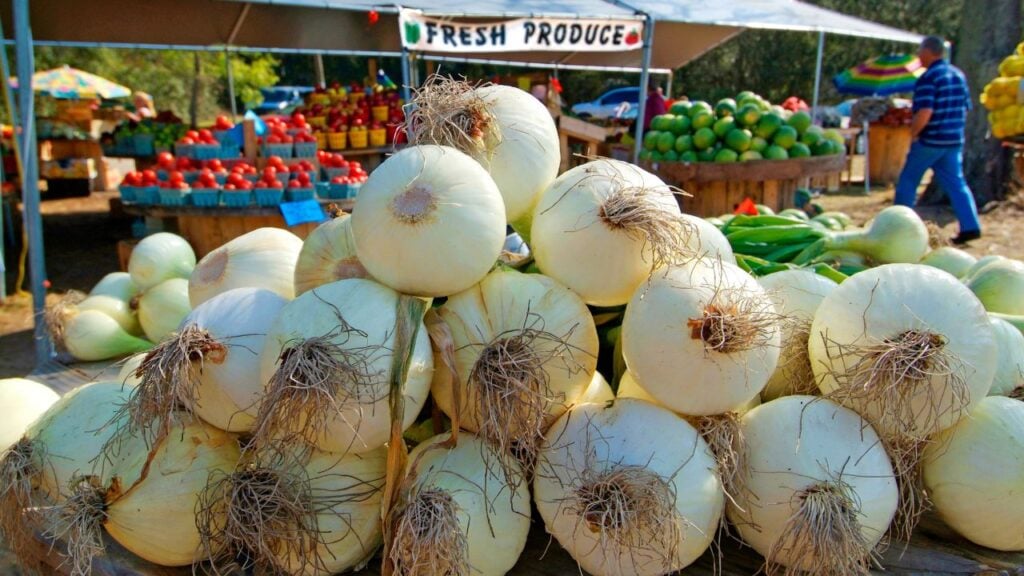
Farmers markets are supposed to be the place Georgians save money on produce, not lose it.
A handwritten sign at the vendor's table is usually where the trouble starts.
7 Farmers Market Mistakes That Cost Georgians Money Every Saturday
