

10 Household Items Nevada Residents Aren’t Allowed to Put in the Trash

Toss a dead car battery in a Henderson trash can, and Nevada calls that a crime.
State law sets the fine at $100 or more per violation, and it covers every county, not just Clark County.
These are the household items Nevada residents legally can’t put in their trash can.
Note: This is general information, not legal advice. Nevada’s hazardous-waste and disposal rules vary by county and are subject to change, so confirm the current requirements with the Nevada Division of Environmental Protection.
1. Motor Oil
Motor oil keeps a car running for thousands of miles in Nevada.
But the state draws a hard line at what happens once that oil is used up.
State law, the Nevada Revised Statutes (NRS) section 444.583, makes it a misdemeanor to dump or dispose of used motor oil anywhere except a permitted site.
The fine starts at $100.
That’s per violation, not per gallon.
The good news?
Advance Auto Parts and the automotive service counters at Walmart locations around Las Vegas and Reno both take used oil for free.
Drained oil filters get one exception.
Let a filter sit for 24 hours so the oil drains out, bag it, and it can go in the regular bin.
2. Car Batteries
Car batteries fall under that same Nevada statute as motor oil.
The penalty matches it: A misdemeanor with a fine of at least $100 per battery.
Lead-acid batteries are corrosive enough to start a fire when they’re stored wrong, sitting on hot asphalt in a Las Vegas summer.
It’s not a risk worth taking.
Many auto parts retailers buy a dead battery back for scrap value or store credit, so a driver who tosses one in the trash instead loses money twice: Once on the fine, once on the credit left at the counter.
3. Tires
Tires round out Nevada’s three-item statute, joining motor oil and car batteries under the same dumping ban.
A tire left in the desert or a wash doesn’t just look bad.
It holds rainwater and turns into a mosquito nursery within days.
Nevada bans tires from the regular trash for exactly that reason.
Many tire shops charge a small disposal fee, usually a few dollars a tire, whenever they sell a replacement, and that fee covers the legal drop-off.
What Nevada’s $100 Fine Covers
Nevada’s dumping law sets a $100 minimum fine for tossing motor oil, a car battery, or a tire anywhere but a permitted site.
That number is a floor, not a cap.
The fine applies per item.
Three separate violations from one truck bed can add up fast.
A judge can set the fine higher.
Nevada’s broader dumping law also escalates repeat violations to a gross misdemeanor with jail time attached.
4. Oil-Based Paint
Oil-based paint carries solvents strong enough to classify it as hazardous waste under Nevada’s own environmental rules.
The Nevada Division of Environmental Protection lists oil-based paint as hazardous waste that never belongs in a regular trash cart, in any county.
Clark County runs Southern Nevada’s drop-off through the Southern Nevada Health District’s hazardous waste program.
Dried latex paint earns an exception.
Once it hardens all the way through, state guidance allows latex paint in the regular trash.
Kitty litter or a dry rag stirred into the can speeds up that drying.
Oil-based paint never earns that pass.
Different chemistry, different rule.
Southern Nevada Health District’s added guidance for oil-based paint is simpler: Call ahead about volume limits before a drop-off visit.
5. Pesticides and Pool Chemicals
Pesticides get their own statewide safety net in Nevada, run by the Nevada Department of Agriculture instead of a single county health district.
The department collects unwanted insecticides, herbicides, fungicides, and rodent baits from any Nevada resident, free of charge, through its Environmental Services program.
No fee, anywhere in the state.
Pool chemicals fall under a separate rule.
Clark County’s hazardous-waste guidance keeps chlorine tablets and other pool chemicals out of the regular cart the same way it treats paint containers.
Mixing pool chemicals with anything else in a trash bag can start a fire or a toxic reaction.
A backyard pool is common enough in the Las Vegas valley that many garages keep a half-used bag of chlorine tablets around.
Read the label first.
Words like “Danger,” “Warning,” or “Poison” on a container are the health district’s own test for what counts as hazardous in the first place.
Psst! How Nevada-compliant is your trash routine? Run through this checklist and see where you stand.
6. Fluorescent Bulbs
Fluorescent tubes and compact fluorescent (CFL) bulbs in a Nevada home carry mercury inside every one of them.
Nevada regulates them as hazardous waste under rules the Nevada Division of Environmental Protection enforces in every county, not only Clark County.
A broken CFL releases a small amount of mercury vapor.
That’s still enough to worry environmental regulators.
Keep the box.
Save the packaging a new bulb came in, so an old one has somewhere safe to ride to a drop-off in one piece.
Any Home Depot in Nevada takes old fluorescent and CFL bulbs back for free, statewide, no purchase required.
Southern Nevada Health District also runs an added hazardous-waste drop-off for Clark County residents who’d rather not make the trip.
7. Propane Tanks
Propane tanks can’t ride in a garbage truck anywhere in Nevada, full or empty.
Federal hazardous-materials transport rules bar compressed and flammable gas cylinders from municipal collection trucks.
That rule binds every hauler in the state, from Republic Services in Clark County to Waste Management in Washoe County.
A tank that still holds fuel is a pressurized hazard riding along in a garbage truck.
Too big a risk.
No hauler is willing to take it.
Propane exchange locations across Nevada, including AmeriGas and Blue Rhino kiosks outside grocery and hardware stores, will take a tank back instead, even an empty one.
8. Lithium Batteries
Lithium and other rechargeable batteries, the kind inside a cordless drill or an old phone, fall under Nevada’s statewide hazardous-waste rules right alongside fluorescent bulbs and pesticides.
That regulation reaches every Nevada county, not only Clark County.
The Environmental Protection Agency (EPA) has documented fires at waste facilities and inside garbage trucks nationwide, each one traced back to a lithium battery that trash compactors crushed in with regular household trash.
Nevada isn’t exempt.
Single-use alkaline batteries, the AAAs and AAs from a TV remote, are still fine in small amounts in the regular trash statewide.
Rechargeable batteries don’t get that same pass.
The Battery Network’s free locator (formerly Call2Recycle) lists rechargeable battery drop-off points across Nevada.
Tape the terminals and bag each battery separately before it leaves the house.
9. Used Antifreeze
Used antifreeze sits on the same garage shelf as motor oil in many Nevada homes.
It gets the same hazardous-waste treatment once it’s drained out of a radiator.
Ethylene glycol, the active ingredient in typical antifreeze, tastes sweet enough that a pet or a curious kid could swallow it by mistake.
A few ounces can cause kidney failure.
Not worth the risk.
Nevada counties collect used antifreeze right alongside motor oil and car batteries at their hazardous-waste sites.
Storey County takes it at the Lockwood Landfill.
Washoe County takes it at its Waste Management transfer stations.
Many auto parts stores and service shops across Nevada take it too, the same way they take a dead car battery or a jug of used oil.
10. Old Refrigerators
Old refrigerators, freezers, and window air conditioners in Nevada homes carry refrigerant.
Federal law won’t let any Nevada resident simply crush that gas into a landfill.
The Environmental Protection Agency’s (EPA) Section 608 rule requires a technician to recover the refrigerant before recyclers scrap an appliance.
That’s federal law.
Not a Clark County quirk.
Republic Services charges a small fee to take a refrigerator at its transfer stations.
A driver won’t grab one off the curb on a regular trash day without a bulk pickup scheduled first.
Washoe County Runs a Different System
Washoe County residents deal with Waste Management instead of Republic Services.
Reno’s household hazardous-waste program runs through a private partner called GrayMar Environmental.
Sparks and Washoe County customers get a disposal voucher mailed with their May bill.
Reno customers get theirs in July.
Free, once a year.
Miss that window, and a Reno resident pays out of pocket to drop off the same paint or pesticides Clark County takes free at its transfer stations year-round.
What Happens If You Get Caught
Nevada treats illegal dumping as more than a littering ticket.
A first offense under the state’s broader dumping law is a misdemeanor.
A second offense within two years becomes a gross misdemeanor carrying up to 364 days in county jail.
That’s not theoretical.
Clark County has documented illegal dumping cases across the valley, from remote washes to alleys behind strip malls.
Fines for dumping cases in Clark County have reached as high as $1,000, plus up to six months in jail, on top of whatever a court orders for cleanup.
A judge can also order the person responsible to personally clean up the site and log community service hours at other dump sites the county has already flagged.
Nevada’s Trash Truth: Home to 20% of America’s Biggest Landfills
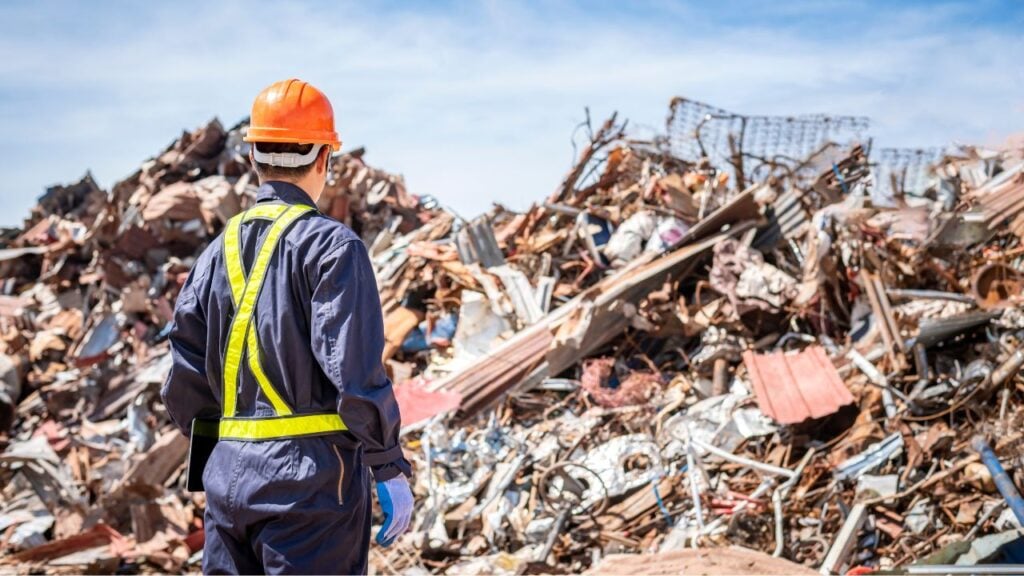
A few of Nevada’s landfills rank among the biggest in the entire country.
This is where it all goes once the truck pulls away from the curb.
Nevada’s Trash Truth: Home to 20% of the America’s Biggest Landfills
20 Habits That Waste Water Without Nevadans Realizing It
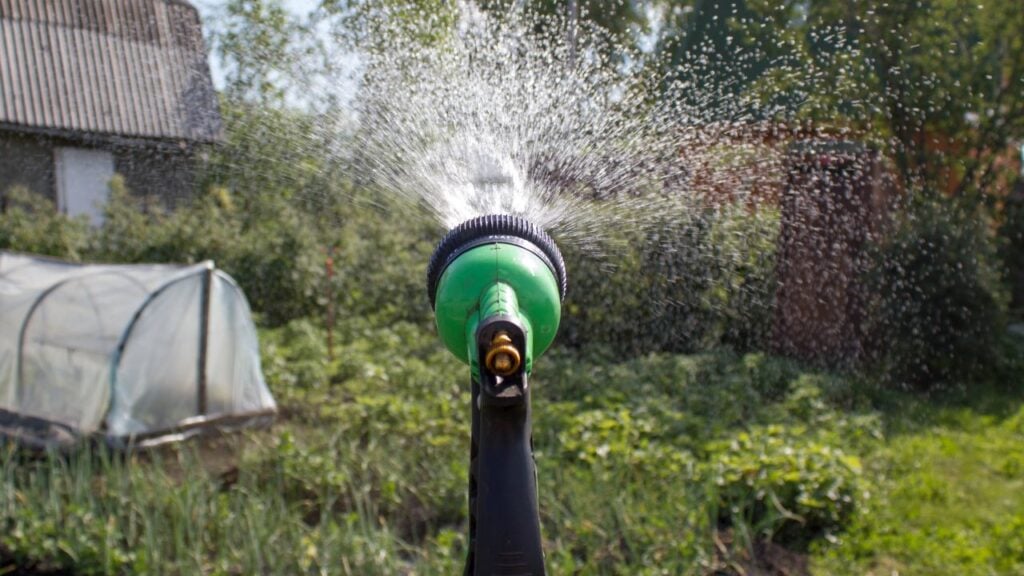
A handful of everyday habits waste gallons of water in a Nevada home.
Many Nevada residents never notice until the water bill lands.
