
20 Habits That Waste Water Without Nevadans Realizing It

Many Nevadans think they’re pretty good at saving water.
Turn off the tap while brushing your teeth? Check.
Quick showers? Sure, at least that’s the goal.
But plenty of small, “harmless” habits are quietly wasting gallons of water every single day. Here are the everyday things most people do without realizing they’re draining both their wallet and the planet’s most precious resource.
Running the Washing Machine Half Full
Doing smaller loads feels easier, but it’s a major waste. Every cycle uses between 20 to 40 gallons of water, no matter how many shirts are inside.
Running a full load maximizes every drop.
Some modern machines have “auto-sense” technology that adjusts the water level. But if yours doesn’t, wait until you can fill it up.
Bonus: full loads also mean less time spent doing laundry overall. You’ll save on detergent, electricity, and your sanity.
Using the Garbage Disposal for Everything
Garbage disposals seem convenient, but they use gallons of water to grind food down and flush it away.
Scraping leftovers into the trash, or better yet, composting them, cuts down on both water use and strain on your plumbing.
Plus, your drains will smell a whole lot better without soggy food scraps sitting inside them.
Taking Long Showers “to Relax”
A long, hot shower feels amazing after a stressful day. But every extra minute can send up to two gallons of water straight down the drain.
Rainfall showerheads, which many people love for the “luxury” feel, often double the flow rate of standard ones.
That relaxing 15-minute rinse could be wasting more than 30 gallons.
Cutting just five minutes off your shower can save hundreds of gallons a month. And if you let it run while waiting for the water to warm up, try collecting that cold water in a bucket for your plants.
Running the Faucet While Doing Dishes
It’s one of the most common culprits. Leaving the tap running as you wash and rinse dishes might feel easier, but it wastes up to ten gallons every time.
The better move: fill one side of the sink with soapy water and the other with clean water for rinsing. It’s old-school but incredibly efficient.
If you’ve got a dishwasher, run it only when it’s full. Modern dishwashers use far less water than most people think, often less than a single sink session.
Ignoring That Dripping Faucet
It’s easy to tune out a leaky faucet after a while. That tiny drip doesn’t look like much, but it can waste up to 3,000 gallons a year.
Old washers or loose fittings are usually to blame, and most leaks can be fixed with a $5 part and a wrench. Still, most Americans put it off until the sound becomes too annoying to ignore.
Fixing leaks early doesn’t just save water. It also saves on energy costs if you’re losing heated water. Double win.
Overwatering the Lawn
Americans love a green lawn, but they often love it too much. Overwatering is one of the biggest sources of household water waste, especially in suburban areas.
Sprinklers left running too long, or watering during the hottest part of the day, leads to evaporation before the water even hits the roots. Early morning or evening watering is far more efficient.
And if you water daily, you might be doing more harm than good. Lawns actually grow stronger with deeper, less frequent watering.
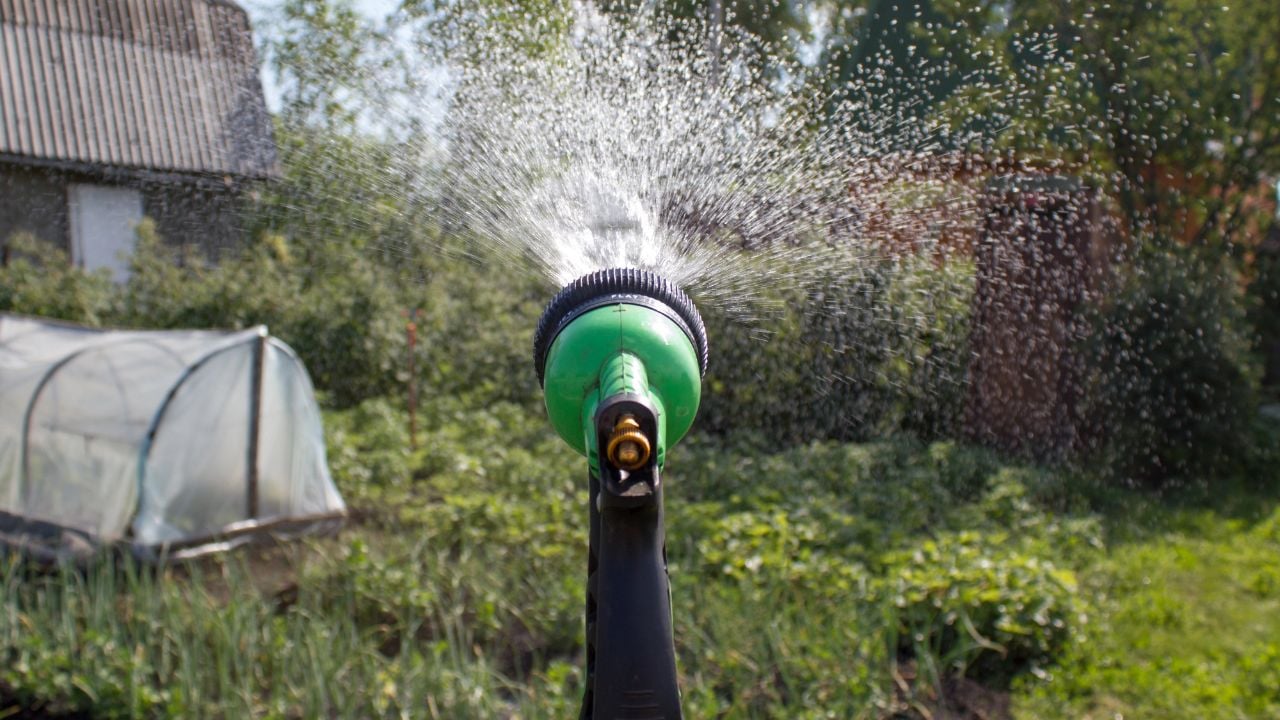
Forgetting to Turn Off the Hose
Many people water plants, wash the car, or spray the driveway, then walk away without shutting the hose off tightly. It might not seem like a big deal, but a slow trickle overnight can waste hundreds of gallons.
If you’re washing your car, use a nozzle that shuts off automatically when you release it. That simple swap can cut your water use in half.
And skip hosing down the driveway altogether. A broom gets the job done just as well, without the runoff.
Ignoring Hidden Toilet Leaks
Toilets are sneaky. You can lose thousands of gallons a year through silent leaks that never show up until the water bill does.
A simple test? Put a few drops of food coloring in the tank. If color seeps into the bowl without flushing, you’ve got a leak.
Replacing the flapper or valve usually fixes it in minutes. It’s one of those small maintenance jobs that pays back big.
Using Old Appliances
That trusty old top-load washer or 20-year-old dishwasher might still work, but it’s guzzling water behind the scenes.
Energy-efficient appliances use up to 50% less water and energy. Newer dishwashers, for instance, can clean a full load with under four gallons of water.
If you can’t upgrade yet, just adjust your habits, run shorter cycles, skip pre-rinsing, and don’t overload machines.
Watering Plants Every Day “Just in Case”
Indoor plant lovers often overwater, assuming more water means healthier leaves. In reality, it can suffocate roots and waste tons of water over time.
Most plants do better with a deep soak once or twice a week instead of daily sips. Using moisture meters or simply checking the soil before watering can help.
Even better: collect rainwater or reuse water from rinsing fruits and veggies for your houseplants.
Brushing Teeth with the Tap Running
It’s an old classic, but still shockingly common. Leaving the faucet running while brushing your teeth wastes up to eight gallons a day per person.
That’s more than 200 gallons a month, just from one small habit. Turning it off between rinses makes an instant difference.
If you’re brushing twice a day (as you should be), that’s a lot of water you could be saving with almost zero effort.
Overusing the Toilet
You’ve probably heard the saying, “If it’s yellow, let it mellow.” It’s not everyone’s favorite rule, but it’s surprisingly effective.
Toilets account for almost 30% of household water use. Flushing every single time adds up fast, especially if you have an older toilet that uses five gallons per flush.
Modern low-flow models use as little as 1.6 gallons. Upgrading or adjusting your habits saves thousands of gallons every year.
Washing Produce Under a Constant Stream
Rinsing fruits and veggies under running water feels natural, but it’s an easy way to conserve.
Instead, fill a bowl or sink basin with water and rinse everything together. You’ll use a fraction of the water, and it’s still effective.
Pro tip: reuse that rinse water on outdoor plants afterward. It’s clean enough for them, and you’ll double your conservation points.
Defrosting Food with Running Water
Need to thaw frozen chicken? Many people stick it under a steady stream of warm water.
It works fast, but wastes gallons unnecessarily.
A safer and more efficient method is moving it to the fridge overnight or placing it in a sealed bag in a bowl of cold water. Change the water every 30 minutes if needed.
It’s safer for food handling, and your sink won’t turn into a water slide.
Washing the Car at Home Every Weekend
Washing your car at home feels satisfying, but it can use over 100 gallons of water per wash.
Commercial car washes, especially newer ones, recycle much of their water.
So, oddly enough, paying for a wash is usually better for the environment.
If you still prefer doing it yourself, use a bucket for soapy water and a hose with a shut-off nozzle for rinsing.
Using Sprinklers When It’s Raining
Automatic sprinkler systems are notorious for running even during a downpour. It’s the definition of wasted water.
Install a rain sensor or simply switch the system off when the forecast calls for rain. Your lawn doesn’t need a double soak.
Smart sprinkler systems can even adjust schedules based on weather, no more watering puddles.
Washing Sidewalks Instead of Sweeping
Hosing down patios and driveways is another old habit that wastes thousands of gallons every year.
A broom does the same job without the waste. For stubborn dirt, use a bucket instead of spraying endlessly.
It’s a simple switch that adds up, especially if you’re in a dry region where every drop counts.
Forgetting About Hot Water Waste
Even if you’re not “using” water, heating it takes energy, and every unnecessary hot gallon adds to your utility bill.
Shorter showers, cooler laundry cycles, and fixing leaks on the hot-water side all help conserve both water and energy.
Think of it as a two-for-one deal: less waste, lower bills.
Overcleaning with the Hose
From washing outdoor furniture to spraying cobwebs, Americans love using the hose as a universal cleaning tool.
But it’s rarely necessary. A damp cloth or bucket works fine for most outdoor cleaning jobs.
If you must use a hose, opt for a high-pressure nozzle to cut the flow rate and time it takes.
Thinking “One Person Doesn’t Matter”
It’s easy to shrug off your own habits, thinking one household can’t make a difference. But millions of “small” habits across America add up to billions of wasted gallons every year.
Even small changes, like shortening a shower or fixing a leaky faucet, can ripple out in a huge way when everyone participates.
Water conservation doesn’t mean giving up comfort. It just means noticing what’s been happening right under your nose, and choosing smarter habits next time you turn on the tap.
24 Items That Have Alarmingly High Levels of Microplastics
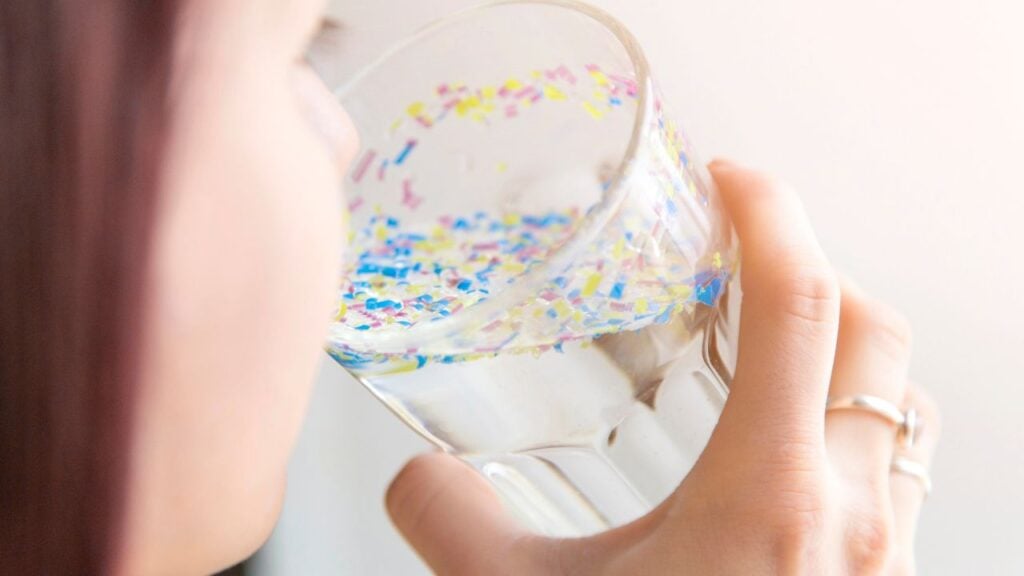
You can’t see, smell, or taste microplastics. But research reveals they’re showing up in our everyday lives.
Here are 24 common items where microplastics hide and why you need to pay attention.
24 Items That Have Alarmingly High Levels of Microplastics
17 Decor Items That’ll Make Your Home Look Cheap

No one wants to hear their home looks cheap. But sometimes, a cheap-looking home doesn’t reflect what you spent on it. It reflects the decor you chose.
17 Decor Items That’ll Make Your Home Look Cheap
Think You Belong in a Different Decade?
From big bands to big hair, our playful Decade DNA Quiz reveals which classic American era fits your personality best. It’s fast, fun, and full of vintage flair.
Meet Your Match. Discover Your Decade DNA. (Your Vintage Roots Are Showing)

