
10 Southern Traditions Alabamians Keep That the Rest of America Has Forgotten

Alabama’s Sunday potlucks put chain restaurants to shame.
Luckily for locals, while much of America traded potlucks for drive-through windows, this Sunday tradition is still common.
These are the Southern traditions Alabamians keep going that the rest of America has either forgotten or never heard of.
1. Sacred Harp Singing
No instrument enters the room at an Alabama Sacred Harp singing.
Four sections of voices face each other in a hollow square, and a different singer leads every song.
The tradition traces back to a shape-note tunebook first printed in 1844, and Alabama’s own W.M. Cooper of Dothan revised the version many Southern singers use today.
Nobody performs.
Shape-note singing disappeared from cities before the Civil War even started, but the rural South held on, and a Sunday singing convention in north Alabama can fill every side of the square just the same.
They sing for each other, not an audience, then share a meal after.
2. Coon Dog Cemetery
A hunting dog can earn a headstone in Colbert County that a person might envy.
Key Underwood buried his coon dog Troop there in 1937, on the same hunting camp where the two of them had spent fifteen years chasing raccoons.
Other hunters followed his lead.
More than 300 dogs rest there now, and the Tennessee Valley Coon Hunters Association decides which dogs qualify, since a house pet never makes the cut.
No poodles allowed.
The graveyard hosts a Labor Day gathering every year with bluegrass music, barbecue, and a liar’s contest, and it’s still the only cemetery in the country built exclusively for coonhounds.
3. First Monday Trade Day
The first Monday of nearly every month, Scottsboro shuts down its courthouse square for a trade day older than most Alabama towns.
Traders have set up booths there since around 1870, swapping tools, livestock, and homemade goods long before anyone called it a flea market.
The name never changed.
Vendors haul in furniture, tools, and crafts today just the same, and a shopper can walk the whole square without spending a dime at a chain store.
Most towns lost that.
They replaced their old trade day with a strip mall decades ago, but Scottsboro kept its Monday.
4. Pounding the New Preacher
A new pastor doesn’t get a gift basket from a store at an Alabama church.
Groceries show up instead.
Members show up with sugar, flour, cornmeal, and canned vegetables from their own gardens, a custom called a pounding, named for staples once sold by the pound.
Not a fist in sight.
Rural Baptist and Methodist churches across Alabama have kept the custom going long after most congregations elsewhere let it fade.
Modern poundings tack on paper towels and a church cookbook or two, but the idea never changed.
Stock the new family’s kitchen before they unpack their own boxes.
5. Gee’s Bend Quilting
Wilcox County keeps a quilting tradition alive that most of the country only sees in a museum now.
Women in the small community of Boykin, known locally as Gee’s Bend, piece scrap fabric into bold, geometric quilts, a skill passed down for generations by hand.
The Quilters’ Collective organized in 2003 to help market the work, and the U.S. Postal Service later put ten of the designs on postage stamps.
Not by accident.
Quilting bees faded out across most of the country decades ago, but Gee’s Bend runs an annual retreat where newcomers learn the stitches in person instead of from a video.
Psst! How much do you know about Alabama’s history? Take our quiz and see if you can ace it.
Quiz
Alabama History IQ
Answer these questions on Alabama firsts, history, and Americana. We bet you can’t get them all right. Prove us wrong?
Which Alabama city hosted the first organized Mardi Gras celebration in the United States, ahead of New Orleans?
6. Decoration Day
Would you spend a Sunday off cleaning up a graveyard?
North Alabama families do, every year, on Decoration Day.
Relatives drive back to a family cemetery with hoes, rakes, and fresh flowers, and they clear brush from the plot to honor whoever is buried there.
Family does the work.
Cousins who haven't seen each other since last Decoration Day catch up between the headstones as they go.
Most of the country folded that kind of remembrance into a single day every May, but rural pockets of north Alabama keep their own Sunday for it every year.
7. Homecoming Dinner on the Grounds
By noon, every trunk in the parking lot sits open at an Alabama church homecoming.
Members who moved away come back for the day, and the whole congregation spreads fried chicken, casseroles, and a dozen cakes across folding tables outside after the service.
Nobody caters it.
The custom grew out of an era when most country churches held services only once or twice a month, so a homecoming Sunday was the rare day everybody showed up at once.
Most churches elsewhere shortened that into a potluck in the fellowship hall.
Alabama congregations haul the tables outside anyway.
8. Boiled Peanut Stands
Show up late to a roadside stand outside Dothan, and the boiled peanuts are already gone before lunch.
The method traces back to West African cooking traditions carried over by enslaved people, and it took root deep enough in southeast Alabama that Dothan has held a National Peanut Festival since 1938.
That's not a small claim.
Woodsheds, trailers, and pickup tailgates turn into peanut stands from May through November, right as the green peanuts come out of the ground soft enough to boil in a couple of hours.
Most of the country never sees a peanut that isn't roasted and bagged.
Alabama eats them wet, salty, and straight from the pot, no bag required.
9. Meat-and-Three Lunch Counters
The rest of the country traded its lunch counters for a drive-through, but Birmingham still lines up for a cafeteria lunch.
Niki's West has served plate lunches since 1957, the kind where a diner picks one meat and three vegetable sides off a steam table.
The Hontzas family runs it today.
The restaurant sits across from the Alabama Farmers Market, and that spot let the original owners buy produce fresh every morning without paying a delivery fee.
That habit shaped the whole menu.
Meat-and-three counters like it used to sit on every Southern Main Street, and a shrinking number of them open their steam tables at lunch across Alabama today.
10. Volunteer Fire Department Fish Fry
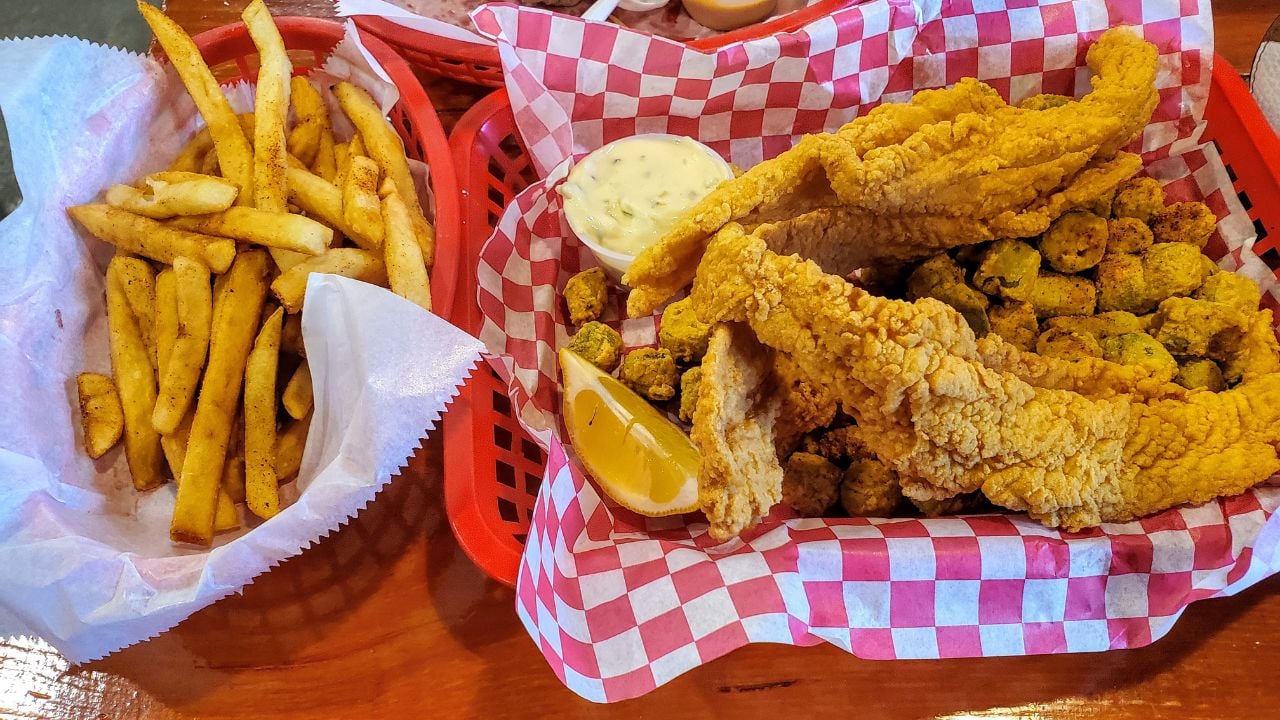
A fish fry, not a grant, pays for a new hose at the volunteer fire department in Rogersville.
Firefighters go door to door selling tickets weeks ahead, and the fish fry that follows works like a monthly reunion as much as a fundraiser.
Neighbors show up for the company as much as the catfish.
Firefighters use it to keep the truck fueled and the equipment current, in towns too small to fund a department any other way.
That arrangement used to be common everywhere small volunteer departments served rural communities.
A lot of that faded once bigger counties folded volunteer squads into paid departments, but small Alabama towns set a date, fry the fish, and count on their neighbors to show up.
8 Piggly Wiggly Deals Alabama Shoppers Plan Their Week Around
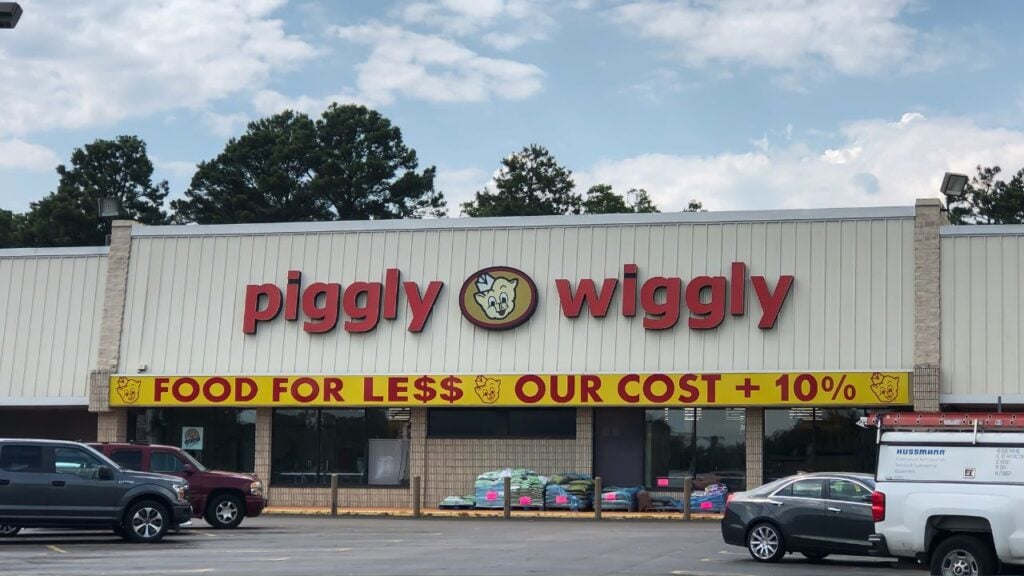
Piggly Wiggly runs a Wednesday ad flip that turns grocery day into a strategy session for Alabama shoppers.
The loss leaders disappear fast, and the senior discount stacks on top for anyone who times the trip right.
8 Piggly Wiggly Deals Alabama Shoppers Plan Their Week Around
