
10 Things Financially Smart Floridians Never Do at Publix

Every Floridian knows Publix has its temptations.
From the smell of Pub Subs to the flash of a BOGO sign, Publix practically whispers “spend more.”
But the financially sharp crowd has learned how to enjoy it all without blowing their budget. They skip these little habits that drain wallets and focus on the ones that make money stretch.
They Never Walk in Without a Plan
Financially smart shoppers don’t stroll into Publix on a whim. They show up with a purpose, a list, and a budget.
It’s not glamorous, but it’s the difference between staying under budget and accidentally spending $40 on snacks for “just one Netflix night.”
A list cuts down on impulse buys, which is something that costs the average American nearly $314 per month, according to Slickdeals.
That’s more than $3,700 a year just from unplanned purchases.
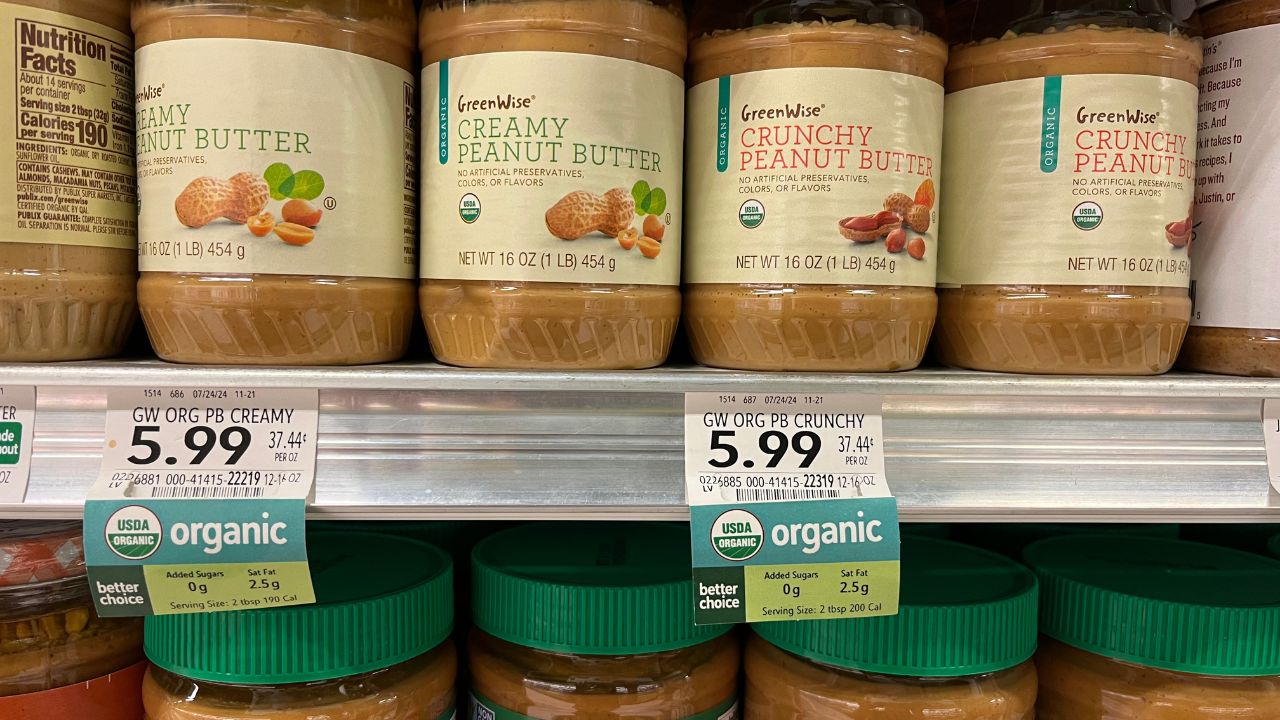
Smart shoppers know a quick pantry check before leaving home can save both money and frustration. Two jars of peanut butter sound great until you realize one’s expiring in three weeks.
They treat grocery shopping like a mission, not an errand.
In and out, with the same focus your mom had when she marched through Publix in the ’80s armed with paper coupons.
They Never Assume BOGO Means “Best Deal Ever”
Floridians adore a Publix BOGO. The yellow signs are practically part of the culture.
But the financially wise don’t assume that two-for-one is automatically a win.
A 2023 survey by Morning Consult found that 63 percent of shoppers admit they’ve bought something on sale they didn’t actually need.
Financially smart shoppers flip that habit. They only buy what’s already on their list.
They also check the unit price. Sometimes the smaller, non-BOGO package is cheaper per ounce. It’s sneaky, but it happens.
In short, money-savvy shoppers love a BOGO when it fits their plan, not when it hijacks their cart.
They Never Buy Pre-Cut Produce Without Checking the Math
Those colorful containers of pre-sliced pineapple and diced onions are tempting. But convenience has a markup.
The USDA found that pre-cut produce can cost up to 300 percent more than whole versions.
Yes, that’s three times as much.
Financially smart Publix shoppers take an extra minute to compare. A whole pineapple might cost $3.99 while the pre-cut tub runs $8.99. You’re paying $5 for someone else’s knife work.
They also know that pre-cut fruits spoil faster. That’s like paying more for less time to use it.
If convenience truly matters, they plan for it. But most days, they grab the whole item, sharpen their knives, and pocket the difference.
They Never Shop Hungry
Everyone knows it’s a bad idea, yet many of us still do it.
Hungry shopping increases impulse spending by up to 64 percent, according to research published in the Proceedings of the National Academy of Sciences.
At Publix, that hunger turns every aisle into a snack trap. The bakery smells richer, the deli calls louder, and suddenly you’re rationalizing chocolate croissants as “breakfast prep.”
Smart shoppers eat first.
A banana or granola bar before leaving home is the cheapest defense against impulse splurges.
They turn grocery shopping into strategy, not a self-control boot camp.
They Never Overlook Publix’s Store Brands
Publix Premium and GreenWise items are quiet budget heroes. Many are made by the same producers as national brands, just without the marketing markup.
According to the Food Industry Association, shoppers save an average of 25 percent when they choose store brands over national labels.
At Publix, that’s often the difference between a $6 box of cereal and a $4 version that tastes the same.
Smart shoppers taste-test, compare ingredients, and stick with what works. When the quality matches, they make the switch permanent.
It’s not about loyalty. It’s about logic (and a better grocery bill).
They Never Buy Perishables in Bulk “Just in Case”
Bulk buying only works when you eat everything you purchase.
The USDA estimates that U.S. households waste 31 percent of available food, worth roughly $1,500 a year for the average family of four.
Smart Publix shoppers buy what fits their real schedule, not their ideal one. They know if this week includes a few dinners out, fewer perishables make more sense.
They portion, freeze, and share extras when needed. Freezer bags are their safety net against waste.
A family pack of chicken isn’t a deal if half ends up in the trash.
They Never Forget to Check the Weekly Ad
The weekly Publix ad is the closest thing to a treasure map for Florida shoppers.
Financially savvy folks check the weekly ad before building their meal plan, stack digital coupons, and load rewards in the app.
According to Forbes, shoppers who plan around store sales save 20–30 percent on their monthly grocery costs.
Those who skip it often end up paying full price for items that were discounted hours earlier. Smart shoppers stay one flyer ahead.
The deals aren’t hidden. They’re just waiting for someone prepared enough to notice.
They Never Waste Leftovers
For financially smart shoppers, leftovers aren’t bad; they’re strategy. A rotisserie chicken becomes sandwiches, salads, and broth before the week’s out.
The EPA estimates U.S. consumers throw away over 133 billion pounds of food annually.
Smart shoppers refuse to add to that pile.
They plan their meals with reuse in mind, cooking once but eating twice. It’s not only economical but sustainable.
They see their fridge not as a storage unit but as a system. Everything should have a second act.
They Never Confuse “Premium” With “Worth It”
Publix is full of beautifully packaged products that whisper “treat yourself.”
Smart shoppers pause and think twice.
“Premium,” “artisan,” and “organic” aren’t bad words… but they aren’t magic ones either.
According to a 2024 McKinsey report, consumers who trade down from premium to mid-tier brands save up to 40 percent with minimal satisfaction loss.
Financially smart shoppers know when to splurge—like on high-quality seafood—and when to pass.
It’s not about deprivation. It’s about defining value on your own terms.
They Never Forget the Big Picture
Every trip to Publix adds up, and financially savvy shoppers treat it as part of a larger budget goal.
Grocery spending accounts for about 12 percent of the average U.S. household budget, according to the Bureau of Labor Statistics.
They track what they buy, adjust where needed, and constantly refine. The savings from small habits compound, turning into hundreds by year’s end.
These folks balance pleasure and practicality. That’s what makes them unstoppable in Publix’s aisles.
Pop Quiz Version
Pop Quiz: How Well Do You Know Publix?
11 Publix BOGO Secrets Even Long-Time Shoppers Don’t Realize They’re Missing

Behind Publix’s green and yellow tags is a world of strategy, hidden timing, and clever shopping tricks that can save you more than you think.
Whether you’re new to Publix or have been strolling its aisles for decades, these lesser-known BOGO secrets might just change the way you fill your cart.
11 Publix BOGO Secrets Even Long-Time Shoppers Don’t Realize They’re Missing
Publix vs. Walmart vs. Winn-Dixie
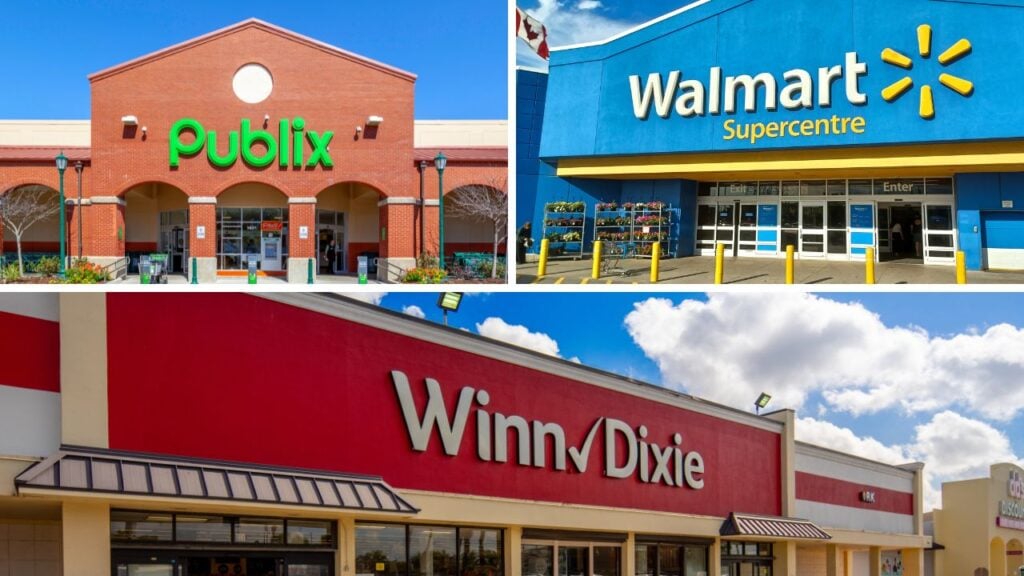
In true bargain-hunter fashion, we pulled from basket price studies, read loyalty-program fine print, and analyzed delivery fees to determine exactly how Publix, Walmart, and Winn-Dixie stack up in value.
Publix vs. Walmart vs. Winn-Dixie: Who Really Gives Customers the Best Bang for Their Buck?
