

10 Things U.S. Senators Have to Pay for That Most Floridians Assume Are Free

Most Floridians look at a U.S. Senator and see one of the cushiest jobs in the country.
A six-figure salary. A staff. An office. A car.
But what most people don’t see is the bill.
Senators are federal employees, and the perks that come with the job stop a lot sooner than the public assumes. A surprising amount of what Senators use, eat, wear, and live in comes out of their own pocket.
Here are 10 things U.S. Senators have to pay for that most Americans assume are free.
Their DC Housing
The Senate doesn’t provide housing.
Senators pay for their own apartments, rented condos, or row houses in Washington, DC out of their $174,000 salary.
DC rent for a one-bedroom in a Senate-friendly neighborhood runs $2,500 to $4,000 a month.
Senators with families often keep two homes. One in their home state. One in DC.
Both come out of the same paycheck.
Their Health Insurance
Senators don’t get free government healthcare.
Since 2014, Senators have been required to buy health insurance through the DC Health Link Small Business Health Options Program.
The government contributes about 72% of the premium, similar to other federal employees.
The Senator pays the rest.
Annual out-of-pocket premiums for a family plan can run $4,000 to $8,000, depending on the coverage.
That comes out of every paycheck just like for any other American worker.
Their Office of the Attending Physician Fee
The Capitol has its own in-house doctor’s office called the Office of the Attending Physician.
It’s available to all members of Congress for limited medical services. Routine care. On-site treatment for minor issues.
It’s not free.
Senators pay an annual fee of $650 as of 2025 to use it. The service also doesn’t include surgery, dental work, eyeglasses, or prescription drugs.
Any prescriptions filled get billed to the Senator at full cost.
It’s a convenience, not a freebie.
Their Meals in DC
Senators eat lunch and dinner like any other person, and the bill is on them.
The Senate has a dining room and several cafeterias on Capitol Hill, but the food isn’t comped.
Senators pay for their own meals at Senate cafeterias just like staff and visitors do.
Restaurants outside the Capitol? Same deal.
For Senators living in DC during the work week, the food bill can run $200 to $500 a week before tipping waitstaff at the political dinners they’re expected to attend.
Their Personal Travel Back to Their Home State
Official travel between DC and the home state is reimbursed.
Personal travel isn’t.
If a Senator flies home for a family wedding, a holiday with the grandkids, or a personal vacation, the flight comes out of their own pocket.
The same goes for their spouse and kids if they tag along.
The Senate Official Personnel and Office Expense Account covers official travel only. The system flags personal trips and routes them to the Senator’s personal credit card.
Their Personal Cell Phone and Subscriptions
Senators get an official Senate office phone and email. That’s covered.
But a personal cell phone is on them.
Same with personal Netflix, Spotify, Amazon Prime, and their home internet plan in DC.
Most Senators carry two phones, one official and one personal.
The official one runs on a government contract. The personal one comes with a monthly bill that comes out of the Senator’s checking account.
Their Clothing and Dry Cleaning
Senators wear suits. They wear them every single day on Capitol Hill, often two or three a week to formal events.
Their clothing budget is personal.
A custom-tailored suit in DC runs $800 to $2,500. Off-the-rack from Brooks Brothers or Hugo Boss runs $400 to $1,200. Most Senators rotate 8 to 12 suits through their workweek.
The dry cleaning bills add up too.
Senators send suits, shirts, and ties to local DC dry cleaners just like the rest of the working world, and the bill lands in their personal accounts.
Their Children’s Schooling
A Senator who relocates a family to DC often enrolls the kids in private school.
Sidwell Friends, Georgetown Day School, and the other top DC private schools charge $50,000 to $65,000 a year per child, as of recent tuition data.
Public schools are an option, but most Senators with school-age kids who move to DC choose private school.
The tuition checks come from the Senator’s family bank account.
Their Campaign Costs and Re-Election Fundraising
A Senate seat costs money to defend.
The Senate’s official allowance can be used for office expenses, staff, and constituent services.
It can’t be used for re-election campaigns, fundraising, or political travel.
That means every campaign flight, fundraising dinner, political consultant, ad buy, and donor event runs through the Senator’s separate campaign account.
Campaign funds are raised from donors, and Senators spend an estimated 30% to 50% of their working time raising that money themselves.
The line between “Senator” and “candidate” runs through two separate checkbooks.
Their Personal Office Decor and Family Photos
The Senate provides furniture and basic furnishings for each Senator’s office, supplied through the Architect of the Capitol and the Senate Sergeant at Arms.
What it doesn’t provide is personal touches.
Family photos in frames. Personal artwork. Decorative items. Souvenirs from the home state. Anything that makes the office feel like the Senator’s space.
All of it comes out of the Senator’s own pocket.
Even the framing of an official Senate photo for the wall behind the desk is a personal expense.
Their Income Taxes
Senators pay federal income tax just like every other American.
Their $174,000 salary is taxed at federal income tax rates, plus Social Security tax, plus Medicare tax.
Senators living in DC also pay DC income tax if they’re considered DC residents for tax purposes, though most are residents of their home state.
There’s no special tax break for being a Senator.
Until 2017, Senators could deduct up to $3,000 a year in DC living expenses against their taxes. The 2017 tax reform law eliminated that deduction.
A Senator’s take-home pay after taxes runs closer to $115,000 to $125,000 a year, depending on their state of residence and family situation.
Once DC rent, a home-state mortgage, food, healthcare, and clothing come out of that, what’s left is a working professional’s budget.
The Senate Salary Doesn’t Stretch Like Voters Think
The U.S. Senate sounds like the most comfortable office in America until you start adding up what it actually costs to do the job.
Two homes. Two phones. Custom suits. Private school tuition. Campaign fundraising.
A $174,000 salary feels like a fortune to most Americans.
But by the time the bills clear, it’s closer to a comfortable upper-middle-class living for one of the most demanding jobs in the country.
10 Things U.S. Presidents Have to Pay for on Their Own That Americans Are Clueless About

Living at 1600 Pennsylvania Avenue has obvious perks.
But the president of the United States still receives a monthly bill from the White House usher’s office, and what’s on that bill catches many Americans off guard.
10 Things U.S. Presidents Have to Pay for on Their Own That Americans Are Clueless About
13 Things That Happen Inside Air Force One That Nobody Sees
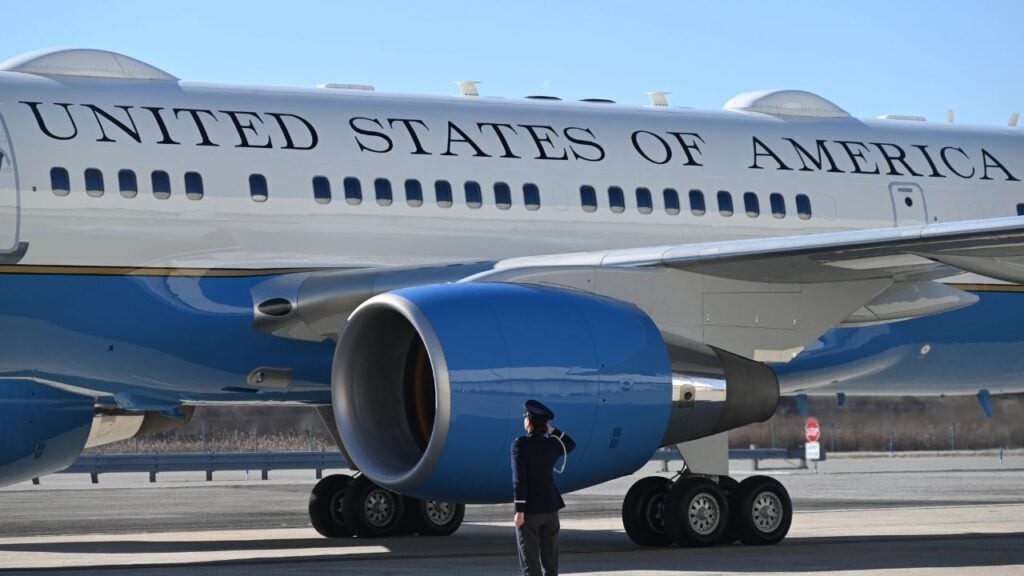
Hollywood has done a number on the public’s idea of what Air Force One is like.
Here’s what really happens on board.
