
11 Grocery Store Chains Floridians Miss So Much It Hurts

Florida changes fast. New developments, new residents, and new businesses arrive constantly.
But not everything that leaves gets replaced with something better.
Some grocery stores that were part of Florida life for decades disappeared, closed out, converted, or got absorbed by a competitor, and the Floridians who shopped them regularly never fully got over it.
Here are 12 grocery store chains that Floridians wish would return.
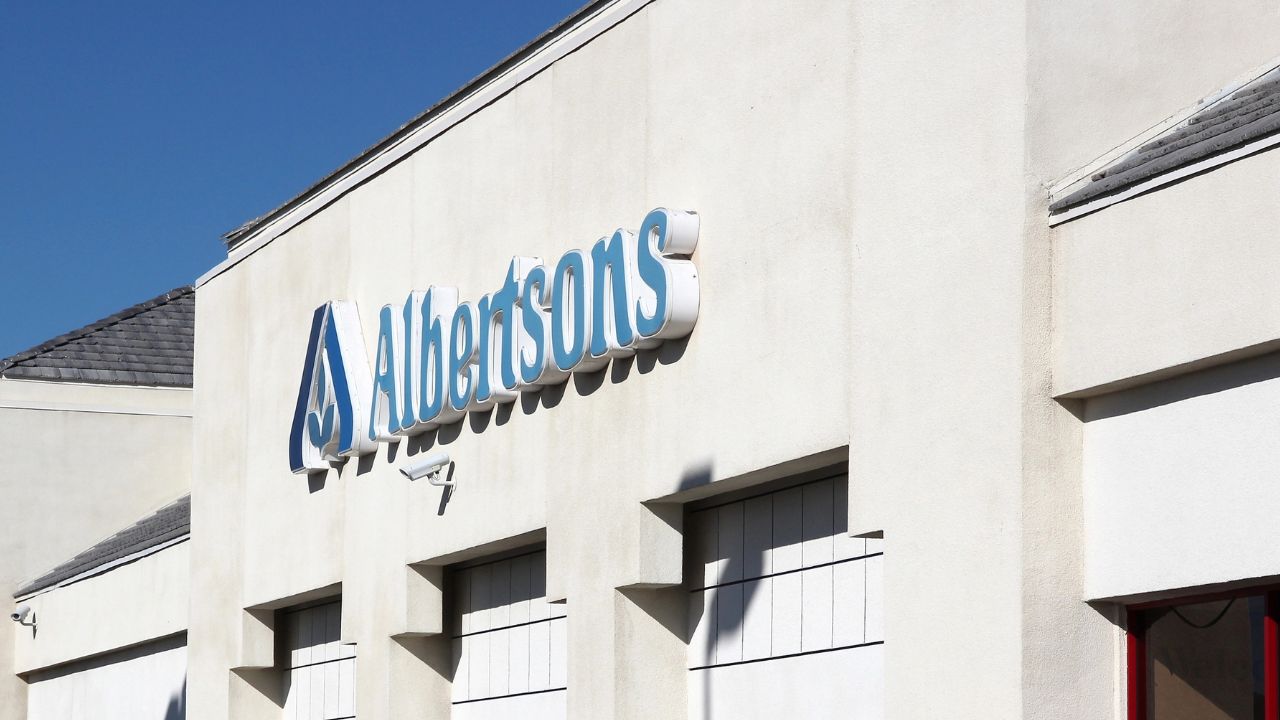
1. Albertsons
Albertsons had a presence in Florida for years, particularly in Central and South Florida.
It served as an alternative to Publix and Winn-Dixie for shoppers who preferred its layout, its products, or its location in their neighborhood.
Then the chain pulled out of the Florida market in the mid-2000s, converting most of its locations to Publix stores, which only strengthened Publix’s already dominant grip on the state.
Floridians who shopped at Albertsons regularly didn’t ask for Publix to take over their store.
They had their store. It worked.
And then it was gone with very little ceremony.
2. Kash n’ Karry
Kash n’ Karry was a Tampa Bay store for decades before it eventually transitioned into Sweet Bay Supermarket and then disappeared from the Florida landscape entirely.
For generations of Tampa Bay area families, Kash n’ Karry wasn’t just a grocery store. It was the grocery store, the one their parents shopped at, and the one they grew up knowing.
The name itself has a resonance for longtime Tampa Bay residents that no amount of rebranding could carry over.
Tampa misses Kash n’ Karry the way it misses other things that were deeply local and then simply weren’t anymore.
3. Sweetbay Supermarket
Sweetbay took over from Kash n’ Karry in the Tampa Bay area and developed its own following among Florida shoppers who appreciated its fresh food focus and store atmosphere.
Then it closed its Florida locations in 2014, converting most stores to Winn-Dixie locations.
Florida shoppers who’d built their grocery routine around Sweetbay found themselves in a Winn-Dixie that used to be their store, and the transition felt jarring in a way that’s hard to explain to someone who didn’t experience it.
Sweetbay didn’t get enough time to become the grocery store it was on its way to becoming.
4. Pantry Pride
Pantry Pride operated throughout Florida from the 1960s through the 1980s.
It had a loyal customer base, particularly in South Florida, before financial difficulties led to its eventual closure.
Floridians who shopped Pantry Pride as children or young adults remember it as their family’s store, the place their mother went on Saturday mornings, and the place they learned what a grocery store was supposed to feel like.
Its disappearance was part of a wave of consolidation that reshaped Florida’s grocery landscape permanently.
It left a gap that chain replacements filled functionally but not emotionally.
5. Winn-Dixie Marketplace
Before the modern Winn-Dixie became the store it is today, Florida had Winn-Dixie Marketplace locations.
The marketplaces operated as larger format stores with expanded departments and a shopping experience that felt distinct from the standard Winn-Dixie footprint.
Florida shoppers who had a Winn-Dixie Marketplace in their area treated the format as its own category, separate from and preferable to the regular stores.
The format’s consolidation into the standard Winn-Dixie model felt like a downgrade to regulars who’d gotten used to the expanded experience.
6. Food Lion
Food Lion had a Florida presence that it eventually abandoned, pulling out of the state as it restructured its operations and focused on other markets.
Florida shoppers who relied on Food Lion for its competitive pricing and consistent stock found themselves without a direct replacement that matched what the chain offered.
For budget-conscious Florida households who’d built their weekly shop around Food Lion’s pricing, the closure wasn’t just an inconvenience.
It was a genuine disruption to how they managed their grocery budget.
7. Publix Pix
Publix once operated a smaller format convenience-focused store concept under the Publix Pix name that Florida regulars in certain areas came to depend on for quick trips without the full supermarket experience.
The smaller footprint meant faster visits, easier parking, and a focused product selection that worked well for shoppers who needed a few things without committing to a full Publix run.
Publix eventually discontinued the concept.
Florida shoppers who’d integrated Publix Pix into their routine lost something that no business in the market quite replaced.
8. Bruno’s
Bruno’s operated in Florida as part of its Southeastern grocery chain presence.
It built a following among Florida shoppers who preferred it to the dominant chains in their area.
When Bruno’s went through bankruptcy proceedings and eventually exited markets, including in Florida, the stores that replaced it didn’t carry the same character that Bruno’s regulars had come to expect.
Florida shoppers who drove past a converted Bruno’s location for years after the change still occasionally called it by the old name out of habit.
That’s the measure of how much a grocery store matters to the people who shop it.
9. Randall’s
Randall’s had a Florida presence during a period of expansion that ultimately didn’t hold.
The chain’s retreat from the Florida market left shoppers in affected areas without the specific combination of products and pricing that had made it their preferred option.
Florida grocery shoppers who’d chosen Randall’s over the alternatives had reasons for that choice, and finding those same attributes in a replacement store wasn’t always straightforward.
The Florida grocery landscape has always been competitive.
The stores that don’t survive often do so not because they weren’t good, but because the competition was exceptionally intense.
10. Omni Superstore
Florida had several large-format experimental grocery concepts during the 1980s and 1990s.
They pushed the boundaries of what a grocery store could be before the format consolidation of the early 2000s narrowed the field considerably.
Omni Superstore represented a vision of grocery shopping that felt exciting to Florida shoppers who experienced it: a large, well-stocked, ambitious store that offered more than the standard supermarket experience.
Florida shoppers who remember it describe the experience with enthusiasm and a slight wistfulness for a format that felt like the future and then quietly disappeared.
11. The Independent Florida Grocery Store in Your Neighborhood
This one is different from the others, and it’s the one that hits the hardest.
Nearly every older Florida neighborhood had an independent grocery store that served the community around it, stocked the products those specific customers wanted, and employed people who lived nearby and knew the regulars by name.
These stores didn’t have a national brand or a loyalty app. They had a community, and they served it directly.
Florida’s rapid growth and development over the past three decades have eliminated most of them, replaced by chain locations that are functionally adequate and personally anonymous.
Floridians miss these stores in a way that can’t be fully captured by a name or a logo because most of them were simply called “the grocery store.”
Everyone in the neighborhood knew exactly which one you meant.
11 Publix BOGO Secrets Even Long-Time Shoppers Don’t Realize They’re Missing

Behind Publix’s green and yellow tags is a world of strategy, hidden timing, and clever shopping tricks that can save you more than you think.
Whether you’re new to Publix or have been strolling its aisles for decades, these lesser-known BOGO secrets might just change the way you fill your cart.
11 Publix BOGO Secrets Even Long-Time Shoppers Don’t Realize They’re Missing
11 Mistakes People Make When Buying Food at Costco

Even in the wonderland of Costco savings, customers commonly make mistakes that can (often unknowingly) spoil the fun. Here are some tips on what errors to avoid so that every Costco run you make turns out to be a win.
