
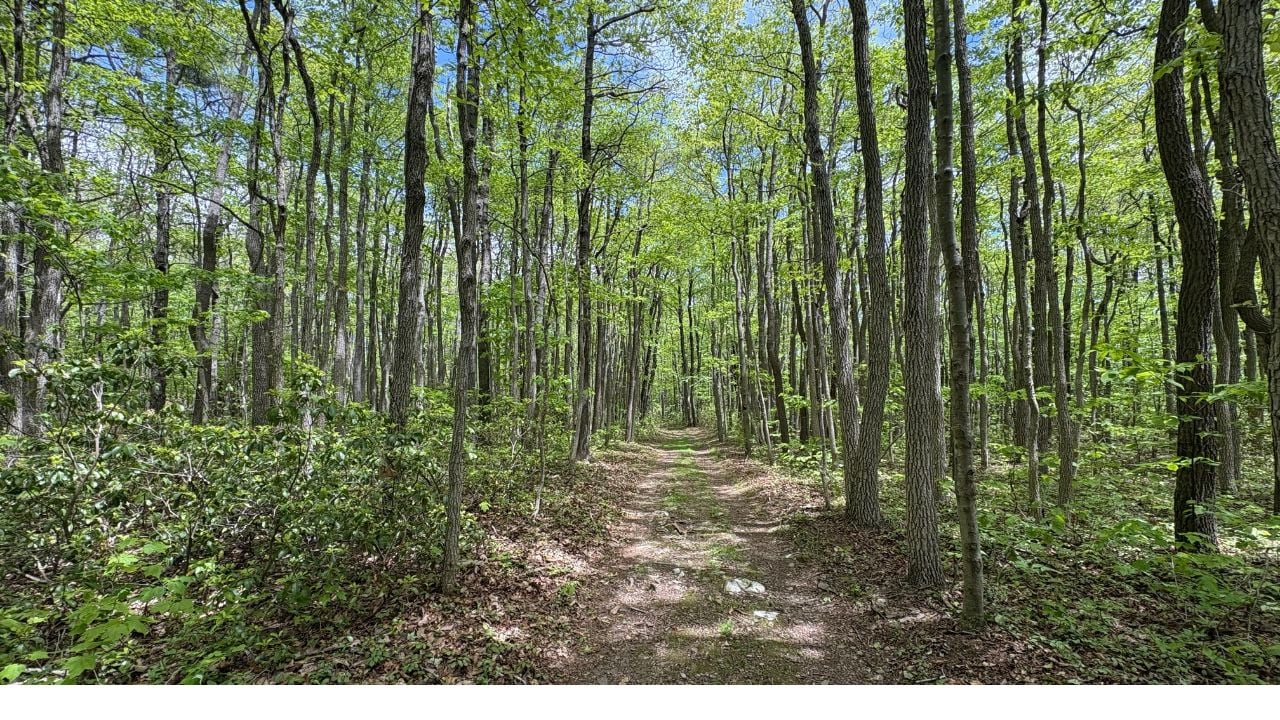
11 Pennsylvania Woods Hazards Newcomers Underestimate

Pennsylvania’s woods look about as threatening as a state park picnic.
That calm is exactly what gets newcomers.
The Allegheny hardwoods and the Pocono ridges hide a long list of things that can turn a nice hike sideways, and none of them care that you just moved here.
These are the woods hazards transplants keep underestimating in Pennsylvania.
Blacklegged Ticks
Pennsylvania has topped the country for Lyme disease for years, and the blame sits with a bug smaller than a sesame seed.
The blacklegged tick, also called the deer tick, carries the bacteria behind Lyme.
It doesn’t buzz, and it doesn’t bite hard enough to notice.
That’s the trap.
A tiny nymph latches on in tall grass or leaf litter, feeds for a day or two, and drops off before you ever feel it. Pennsylvania reports more confirmed Lyme cases than any other state, year after year.
Tuck your pants into your socks, check your skin after every walk, and don’t save the tick check for tomorrow.
Check tonight.
Timber Rattlesnakes
Pennsylvania is home to a native pit viper that most transplants assume only lives out West.
The timber rattlesnake turns up on rocky ridges and sunny outcrops all over the state, from the Poconos to the mountains around Rothrock State Forest.
It’s venomous.
It’s also protected, so you need a special Venomous Snake Permit from the Fish and Boat Commission before you can legally take one.
Most rattlers would rather be left alone, and they usually buzz a warning before anything else. Give a coiled snake a wide berth on the trail, and never reach where you can’t see your hands.
Watch your step.
Copperheads Underfoot
Pennsylvania’s other venomous snake hides better than the rattler ever could.
The northern copperhead wears tan and copper hourglass bands that disappear against dead leaves and rock.
No rattle.
Zero warning.
The copperhead likes rocky hillsides, old stone walls, and brushy edges near streams, often closer to town than newcomers expect.
Most bites happen when someone steps on a copperhead or reaches into a spot without looking first.
A copperhead bite rarely kills a healthy adult in Pennsylvania.
But it hurts, and every bite requires an emergency room.
Black Bears
Pennsylvania’s black bear population has grown to around 18,000, and they aren’t all deep in the wilderness.
The state’s bears roam from the Poconos to the Laurel Highlands, and plenty wander through backyards in between.
They’re big.
Some Pennsylvania boars top 500 pounds, heavier than black bears in many other states.
Bears mostly avoid people, but a cooler full of hoagies or a startled sow with cubs changes the math.
Make noise on the trail, store your food smart, and never get between a bear and her cubs.
Back away slowly.
Deer on the Road
Pennsylvania’s white-tailed deer cause more wrecks than any predator in the woods ever will.
The danger isn’t on the trail.
It’s the drive home.
State Farm puts a Pennsylvania driver’s odds of hitting an animal at 1 in 61, and the state files more animal-collision claims than anywhere else in the country.
Deer move most at dawn and dusk in fall, during the rut, and they bolt across two-lane roads like US-6 and I-80 without looking. One deer in your headlights often means a second right behind it.
Slow down at dusk, use your high beams on empty roads, and don’t swerve into a tree to miss a deer.
Brake, don’t swerve.
Blaze Orange Season
Pennsylvania’s woods fill up with hunters every fall, and newcomers rarely think to check the season dates.
Firearms deer season lands in late November and early December, prime hiking weather.
On state game lands, you can’t just wear whatever you like.
From November 15 through December 15, anyone on state game lands has to wear at least 250 square inches of fluorescent orange on their head, chest, and back combined, even for a simple walk.
Hunters wear the same orange so they can spot one another in the brush.
Skip it, and you’re both breaking the rule and hard to see.
Sudden Cold and Wet
Pennsylvania’s mountain weather shifts faster than the forecast newcomers checked back in the parking lot.
A mild morning in the PA Wilds can turn into cold rain by afternoon, and the higher ridges run colder than the valleys below.
Wet skin plus wind plus cool air is how hypothermia starts, even when it’s well above freezing.
You don’t need a blizzard.
Cotton soaks through and stops holding heat, so a drenched hiker in the 50s can be in trouble. Pack a rain layer, skip the jeans, and bring more warmth than the sunny trailhead suggests.
Ditch the cotton.
Giardia in the Water
Pennsylvania’s mountain streams look clean enough to drink, and that’s exactly the trap.
Clear, cold water in a state forest can still carry giardia, a parasite that causes days of cramps, nausea, and worse.
You won’t taste it.
Symptoms can take a week or two to show up, long after you’ve forgotten that sip from the pretty creek. Filter, boil, or chemically treat every drop you take from a stream, no matter how remote it looks.
Treat it first.
Steep Hemlock Ravines
Pennsylvania’s state tree marks some of the trickiest ground in the woods.
Eastern hemlocks crowd the cool, steep ravines and stream gorges across the state, from Rothrock State Forest to the Pennsylvania Grand Canyon.
The shade is gorgeous.
The footing isn’t.
Wet roots, loose rock, and mossy slopes above a drop send more hikers to the ground than any animal does. Take the steep, slick sections slow, and don’t trust a handhold that’s covered in moss.
Test each step.
Giant Hogweed
Pennsylvania has an invasive plant that can leave you with burns from a simple brush against it.
Giant hogweed grows up to 14 feet tall, topped with huge umbrella-shaped clusters of white flowers, in scattered spots around the state.
The sap is the problem.
Get it on your skin, then step into sunlight, and you can break out in painful blisters within a day or two. It’s a federal noxious weed, so moving or planting it is illegal, yet wild patches still turn up near streams and old fields.
Learn what it looks like, keep your distance, and wash right away if you touch it.
Don’t touch it.
No Cell Signal
Pennsylvania’s biggest state forests are dead zones for cell phones.
Deep in the Pennsylvania Wilds or the Sproul and Tioga state forests, your phone can sit at zero bars for miles.
Zero bars.
The trees all look alike, the logging roads branch off with no signs, and dusk comes early under the canopy.
The state’s Department of Conservation and Natural Resources (DCNR) runs search and rescue for lost hikers, and getting turned around out here is easier than newcomers think.
Carry a paper map, tell someone your route before you leave the trailhead, and treat your phone as a backup, not a lifeline.
A dead battery in the Sproul State Forest is a much bigger deal than a dead battery in downtown Pittsburgh.
8 Pennsylvania Diner Habits That Instantly Mark You as a Local

Pennsylvania diners sort the regulars from the visitors before your coffee even lands.
It shows in how you order, what you order, and whether scrapple makes you flinch.
8 Pennsylvania Diner Habits That Instantly Mark You as a Local
10 Pennsylvania Places Boomers Miss That Are Gone for Good
Some Pennsylvania places live only in memory now, the landmarks boomers grew up with.
From grand old department stores to gathering spots that anchored whole downtowns, they’re gone for good.
