
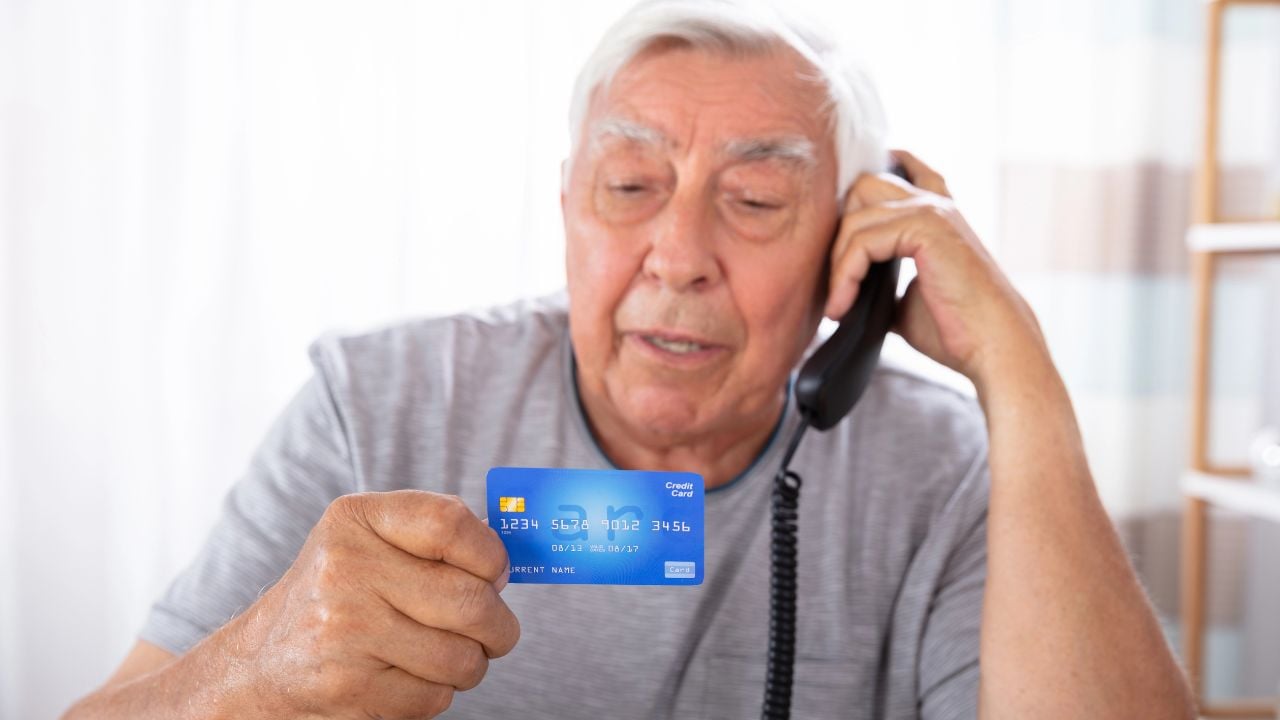
11 Phone Scams Hitting Pennsylvania Seniors Hard Right Now

Americans over 60 lost a staggering $7.7 billion to fraud last year, and a big share of it started with a ringing phone.
The callers are convincing.
They sound official, or panicked, or friendly, and they’re counting on catching Pennsylvanians off guard.
None of these scams work once you can see it coming.
Here’s what to watch for, and what to do the second you smell a rat.
Note: This is general information, not legal or financial advice. If you think you’ve been targeted or scammed, hang up, contact your bank, and report it to the FTC at ReportFraud.ftc.gov or the AARP Fraud Watch Helpline at 877-908-3360.
The Grandchild in Trouble
The phone rings late, and it’s your grandchild, voice shaking. There’s been an accident, or an arrest, and they need money wired right away.
Please, they beg, don’t tell Mom and Dad.
Here’s the part that makes this one so cruel: Scammers can now copy a loved one’s voice using as little as three seconds of audio pulled off social media.
It sounds exactly like your grandchild.
The FBI says these family emergency scams cost victims millions last year.
Hang up and call your grandchild, or their parents, on the number you already have.
Better yet, agree on a family code word now, so a real emergency can prove itself.
The Social Security “Suspended Number” Call
A stern voice says your Social Security number has been suspended, or linked to a crime, and you’ll be arrested unless you act now.
It’s a lie.
Your Social Security number can’t be suspended, and the Social Security Administration doesn’t work this way.
Government impersonation is exploding.
The FTC logged over 330,000 of these complaints in a single year, up 25 percent.
The real Social Security Administration contacts you by mail, not with threatening phone calls demanding gift cards or payment.
Hang up.
If you’re worried, look up the agency’s real number yourself and call to check. Don’t trust the voice that called you.
The New Medicare Card Trick
A caller says Medicare is sending out new cards, maybe a fancy chip card or a metal one, and they just need to verify your Medicare number to get yours mailed.
Don’t give it to them.
That number is the key to your benefits, and crooks use it to bill Medicare for services you never got.
This scam is everywhere in 2026, with fraudsters pointing to real changes in Medicare drug coverage to make it sound urgent.
Medicare won’t call out of the blue asking for your number.
Guard that card like a credit card, and check your Medicare statements for charges you don’t recognize.
The Back Taxes Arrest Threat
The caller claims to be from the IRS. You owe back taxes, and if you don’t pay this minute, the police are on their way.
It’s designed to scare you into acting before you think.
The IRS doesn’t operate by phone like this.
It won’t call to threaten you with arrest, and it’ll never demand payment by gift card, wire, or a trip to a Bitcoin machine.
A real tax issue comes to you in a letter, with time to respond and the right to question it.
Hang up. If a sliver of doubt remains, call the IRS directly using the number from their official website.
The Bank “Fraud Department” Call
Your phone shows your bank’s name, and the caller warns of suspicious activity on your account.
To keep your money safe, they say, you need to move it to a new “secure” account they’ll help you set up.
Stop right there.
That’s the scam, and it’s one of the costliest going.
No real bank will ever call and tell you to move your money to protect it.
Some versions even walk victims to a Bitcoin machine to “safeguard” their savings, which is how the cash vanishes for good.
Hang up and call the number printed on the back of your debit card. Let your bank tell you whether anything’s wrong.
The Computer Virus Callback
It might start with a frightening pop-up on your screen, or a call out of nowhere, claiming your computer is infected and you must call “support” right away.
Do that, and a smooth-talking “technician” walks you through handing them remote control of your machine, and from there, your bank.
There’s a nastier version called the Phantom Hacker, where the fake tech is followed by fake calls from your bank and a government agency, all working together to scare you into moving your savings.
Seniors lost well over a hundred million dollars to tech support scams in a single year.
Microsoft and Apple don’t call you.
Hang up, and never give a stranger remote access to your devices.
The Missed Jury Duty Warrant
A caller identifying himself as a deputy or court officer says you failed to show up for jury duty.
Now there’s a warrant out, and you can clear it by paying a fine right now.
The official-sounding badge number and the spoofed court phone number are all for show.
Real courts and real law enforcement don’t call to demand money over the phone, and they never take payment in gift cards, wire transfers, or cryptocurrency.
This one works because it scares law-abiding people who’d never want a warrant in their name.
Hang up and call the clerk of court yourself, using a number you look up independently.
The Prize You Have to Pay For
Congratulations, you’ve won. A sweepstakes, a lottery, a big prize from a name you recognize like Publishers Clearing House.
There’s just one catch: You have to pay the taxes or fees up front to release your winnings.
That catch is the scam, every time.
A legitimate prize never requires you to pay money to receive it.
The second a “winning” comes with a fee, a gift card request, or a wire transfer, you’ve found a crook.
If you didn’t enter, you didn’t win.
Hang up, and don’t let the excitement of easy money switch off your common sense.
The Utility Shutoff Threat
A caller claims to be from your power or gas company. Your bill’s past due, and the lights will go out within the hour unless you pay immediately.
The rush is the red flag.
They want you panicked and paying before you can check.
No real utility demands instant payment by gift card or an app to keep your service on.
They send written notices and give you time.
Hang up and call the customer service number on your actual bill, never the one the caller gives you.
And if the bill is overdue, your utility company will happily sort it out without the theatrics.
The “Press 1” Robocall
You pick up, and a recording says there’s a problem, a $499 charge on your Amazon account, a package you need to confirm, a warranty about to expire.
Press 1 to speak to someone about it.
Press nothing.
Pressing a key just connects you to a live scammer and flags your number as a real person who answers, which brings even more calls.
The country now sees nearly four billion robocalls a month, and roughly a third of adults get at least one scam call every single day.
The safest move with any robocall is the simplest one: Hang up, or don’t answer unknown numbers at all.
Caller ID Lies, So Trust Your Own Numbers
Here’s the thread running through nearly all of these: The number on your screen can be faked.
Scammers spoof real agency and bank numbers, and even mimic your own area code or a neighbor’s number, so the call looks safe to pick up.
You can’t trust caller ID to tell you who’s on the line.
So make this your rule: When a call asks for money or personal information, hang up and call the company or agency back using a number you look up yourself.
Turn on the free scam-call filter your phone carrier offers, and lean on family when a call feels off.
And if one ever gets you, report it and don’t keep it to yourself.
Only about one in seven victims ever does, usually out of embarrassment, and that silence only helps scammers.
9 Things Boomers Wish They’d Known Before Claiming Social Security at 62
Ask retirees who claimed Social Security at 62, and many will tell you they’d do at least one thing differently if they could go back.
That’s because the earliest claiming age comes loaded with consequences that aren’t obvious until you’re living with them.
9 Things Boomers Wish They’d Known Before Claiming Social Security at 62
15 Once-Popular 1950s Baby Names Rarely Heard Today

Have you ever wondered what happened to some of the most popular baby names from the 1950s?
Travel down memory lane with us and reminisce about the classic names from the ’50s that you hardly hear anymore.
