

11 Ways Texans Beat the Summer Heat That Baffle Everyone Up North

A stretch of highway outside Houston buckled clean in half during rush hour in the summer of 2023.
It wasn’t from a wreck.
It was the heat expanding the pavement until it had nowhere left to go.
These are the tricks Texans use to survive summers like that, the kind that leave a transplant from Minnesota completely lost.
1. Running the Window Unit Anyway
Texans don’t trust one central air system to cover a whole house once the thermometer clears 100.
Central air only covers so much.
Older ranch houses and apartment buildings built before central air was standard still lean on window units room by room, and many newer homes add a window unit anyway for a garage, a sunroom, or a kid’s room the vents never quite reach.
A transplant walks in and thinks it’s weird to spot a second air conditioner hanging out of a window right next to a working central system.
To a Texan, that’s just backup.
2. Cooling off at the Icehouse
Long before craft beer showed up, Texans had icehouses, and they never let the idea go.
The Gulf Coast’s original icehouses were open-air shacks that sold ice before refrigeration, with garage doors built wide enough for a delivery truck.
Once beer joined the ice in those coolers, the garage doors stayed open for the breeze instead of the truck.
That’s the icehouse.
Texans still gather under those wide-open doors on brutal afternoons, since a cross breeze under an overhang beats sitting in a closed room waiting on the air conditioner to catch up.
3. Mixing up Ranch Water
Texans didn’t invent sparkling water, but they invented a reason to drink it by the case in July.
Ranch Water is nothing more than tequila, lime, and Topo Chico, a drink with murky origins tied to West Texas ranch country, one locals swear started as word-of-mouth at dive bars and house parties around Marfa and Fort Davis.
No shortcuts.
Swap in a different sparkling water and a Texan notices before the first sip, since the whole point is the minerally snap Topo Chico brings that a flatter seltzer can’t match.
Order a Ranch Water at a backyard cookout in Austin, and nobody explains the recipe twice.
4. Circling the Snow Cone Stand
Drive through nearly any Texas town in July, and a walk-up snow cone stand does more business than the gas station next door.
Lubbock turned a single stand into an empire: Bahama Buck’s started as a 240-square-foot shack in 1990, run off one ice shaver and a folding table.
It’s grown into more than a hundred stores across a dozen states, but Texans still treat the corner stand like a proper stop, not a treat.
A shaved ice line at 2 p.m. moves slower than the drive-through next to it.
Nobody minds.
5. Floating the Comal
Texans don’t drive to the coast to cool off.
They drive to a spring.
The Comal River in New Braunfels holds a steady 70 to 72 degrees year round, fed by the Edwards Aquifer no matter how hot the air gets.
That’s colder than most pools run in January.
Texans load a cooler onto a tube, float the Comal or the Guadalupe for a couple of hours, and climb out numb before the afternoon heat even peaks.
6. Turning on the Patio Mister
A ceiling fan does nothing once the air itself is hot.
Texans skip straight to misting fans instead, the kind that push a fine spray through a regular box fan and drop the air around a porch by several degrees.
Restaurants bolt them above every patio table from Fort Worth to San Antonio.
Worth it.
Homeowners run the same setup off a garden hose, so a backyard cookout in August doesn’t turn into an hour of standing around in a cloud of humidity for nothing.
7. Checking the County Burn Ban Before Mowing
Texans check something before firing up a lawnmower that nobody outside the state thinks to check: The burn ban.
Once summer heat dries out the grass, a county judge or county commissioners court can issue a burn ban, and Texas A&M Forest Service tracks which of the state’s 254 counties have one active on any given day.
A ban doesn’t just mean no bonfires.
A mower blade striking a rock, a trailer chain dragging on pavement, even a cigarette tossed from a truck window can throw a spark into grass dry enough to catch instantly, so many counties add outdoor burning, fireworks, and sometimes mowing itself to the restricted list until rain breaks the drought.
Nobody outside Texas plans a weekend around a county judge’s drought call.
8. Easing Into Two-a-Days
High school football starts practice in the worst heat of the year, and Texas built a rulebook around it.
The University Interscholastic League (UIL) requires a five-day acclimatization period before any full contact, with players in shorts and helmets only while coaches track heat readings on the field.
No exceptions.
Coaches add water breaks every ten minutes once conditions turn dangerous, and a bad enough reading can end practice altogether.
Texans built that rulebook the hard way, and every August it runs again without much complaint.
9. Watching the Highway Buckle
Ask a Texan why a stretch of road looks like a speed bump appeared overnight, and the answer is almost always heat.
Concrete pavement can run 40 degrees hotter than the air above it, and once a slab expands with nowhere to go, it buckles straight up out of the road.
The Texas Department of Transportation (TxDOT) patched roughly ten buckled sections around Houston alone in a single two-week stretch during the summer of 2023.
Not potholes.
A crew closes the lane, breaks up the hump, and repaves it, while traffic just detours around the damage until the work is done.
Psst! How much do you know about Texas heat records? Take our quiz and see if you can ace it.
Quiz
Texas Heat IQ
Answer these questions on Texas heat records and history. We bet you can’t get them all right. Prove us wrong?
Where does the phrase ‘dog days of summer’ come from?
10. Trusting a Swamp Cooler
Head out to West Texas, and the air conditioning looks nothing like what runs in Houston.
Evaporative coolers, known to most Texans as swamp coolers, can drop the temperature 15 to 40 degrees by pulling dry outside air across water-soaked pads.
That only works where the air stays dry.
A swamp cooler that performs beautifully in El Paso would barely make a dent in Houston's Gulf Coast humidity, so the unit outside a West Texas home does a completely different job than the air conditioner running outside a Houston home.
Same state, different fight.
11. Finding the Nearest Cooling Center
When the heat turns dangerous instead of just uncomfortable, Texans have somewhere built for exactly that.
Houston opened cooling centers across the city during a stretch of triple-digit heat this July, turning libraries, community centers, and senior centers into free air-conditioned space.
Free rides too.
The city offers free transportation to reach a cooling center through 311, so a heat advisory doesn't have to mean sitting in an apartment where the window unit can't keep up.
Dallas does the same nearly every summer, opening 29 public libraries and 42 recreation centers as cooling spots the moment a heat advisory goes up.
San Antonio keeps an interactive map of every library, senior center, and community center doubling as a cool-down spot, so a Texan without air conditioning at home never has to guess where the nearest cool-down spot is.
9 Texas Laws Still on the Books That Sound Made Up
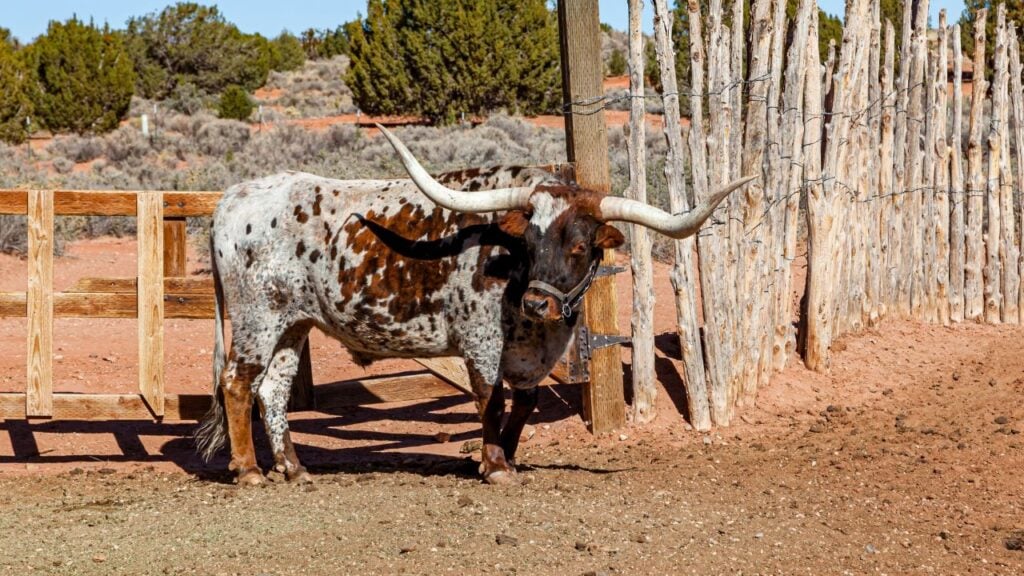
Texas keeps a few laws on the books long after they stopped making sense.
Some are relics from before statehood, and courts stopped enforcing them decades ago without ever bothering to erase them.
9 Texas Laws Still on the Books That Sound Made Up
8 Reasons Texas Retirees Are Keeping More of Their Money Than They Expected in 2026

Turn 65 in Texas, and school property taxes stop rising on your home for good.
State lawmakers have piled on more breaks since, and the 2026 tax bills show it.
8 Reasons Texas Retirees Are Keeping More of Their Money Than They Expected in 2026
