
12 Bizarre Florida Myths People Somehow Still Believe

Half of what people “know” about the Sunshine State is pure fiction, repeated so often it hardened into fact.
Some of these myths come from wide-eyed tourists. Some come from lifelong residents.
And a few have been fooling folks for decades on end.
Here’s the truth behind the tall tales Florida keeps telling about itself.
The Sunshine State Is Also the Lightning State
Florida earned the “Sunshine State” nickname, and it’s a bit of a fib.
Step outside on a July afternoon and you’ll meet a daily wall of thunderstorms instead, the kind that roll in around 3 p.m. like clockwork and soak you to the bone.
Florida leads the entire country in lightning density, with more strikes per square mile than any other state, and year after year, it records the most lightning deaths in the nation.
The stretch from Tampa down through Central Florida sees so many strikes it has its own nickname, “Lightning Alley,” thanks to sea breezes that collide and fire off storms almost daily.
Sunny? Often.
Stormy? Almost guaranteed.
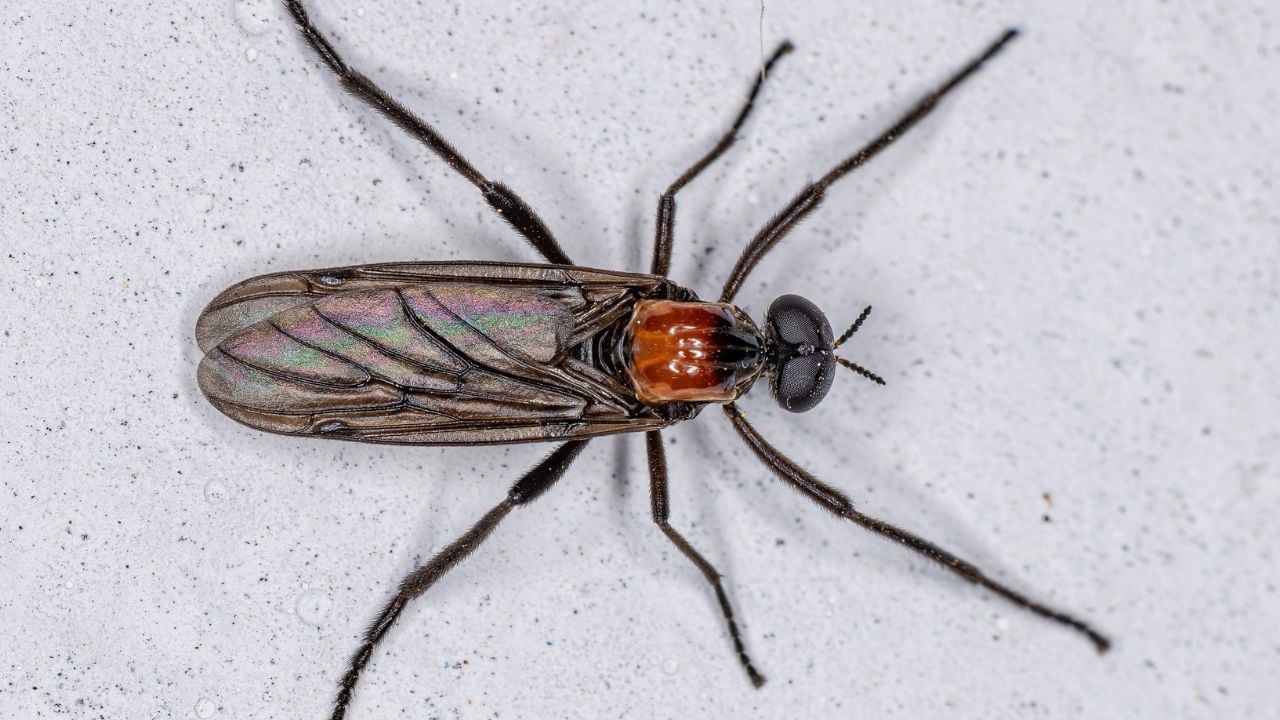
Lovebugs Weren’t Cooked Up in a Lab
Ask around, and someone will swear that lovebugs, those mating pairs of insects that splatter your windshield every spring and fall, were created by the University of Florida in an experiment gone sideways.
It’s a great story. It’s also flat false.
UF debunked it years ago.
Lovebugs migrated north on their own from Central America and Mexico, reaching Florida around the late 1940s, decades before anyone could genetically engineer an insect.
As one UF scientist put it, if the school had built them, they’d be orange and blue.
California Grows More Oranges Than Florida
Florida built its whole identity on citrus. It’s right there on the license plates.
So this one stings. Florida doesn’t grow most of America’s oranges anymore.
Not even close.
Years of citrus greening disease and back-to-back hurricanes gutted the groves. The 2024-25 crop was the smallest in a century.
These days, California grows the vast majority, about 84 percent of the country’s citrus, while Florida hangs on to roughly 13 percent.
Back in the late 1990s, Florida filled more than 240 million boxes of oranges a year.
The latest season barely cleared 12 million.
Your morning glass of OJ is more likely to start out west now.
Walt Disney World Isn’t in Orlando
Everyone says they’re going to Orlando.
Almost nobody is.
Walt Disney World sits about 21 miles southwest of Orlando, in the tiny cities of Bay Lake and Lake Buena Vista that Disney essentially built for itself.
For decades, the whole resort governed its own special district, running its own roads, power, and building inspections.
So when your cousin brags about her Orlando vacation, she technically never set foot in the city.
She spent the whole trip inside Disney’s own little kingdom.
Spanish Moss Is Neither Spanish nor Moss
That gray, draping stuff hanging off the live oaks looks ancient and mysterious, and almost everything about its name is wrong.
Spanish moss isn’t a moss.
It belongs to the pineapple family, which makes it a distant cousin of the fruit in your fridge.
And it isn’t Spanish either.
The plant is native to the Americas, named by French explorers who thought it looked like the long beards of Spanish conquistadors.
Florida’s Flamingos Are Native After All
For most of the last century, scientists waved off Florida’s flamingos as escapees from zoos and racetracks, not true locals.
But the pink birds belong here.
A 2018 study and newer genetic research confirmed flamingos are native to Florida, where they once gathered by the thousands.
Plume hunters nearly wiped them out by 1900, shooting them for the feathers that decorated ladies’ hats.
Now flamingos are trickling back, especially after hurricanes sweep flocks in from the Caribbean. Hurricane Idalia scattered them across the Southeast in 2023.
Your neighbor’s lawn ornament was telling the truth all along.
Key West Isn’t the Southernmost Point
That red-and-black buoy in Key West draws a line of tourists every single day, all there to stand at “the southernmost point in the continental U.S.”
Except it isn’t that.
The buoy isn’t even the southernmost spot on its own island. Navy land nearby reaches farther south.
The real southernmost point of the continental U.S. is Ballast Key, a private island about 10 miles away that you can’t visit.
And the southernmost point of the whole country?
That one’s in Hawaii.
It Absolutely Gets Cold in Florida
Snowbirds love to brag that they’ve escaped winter for good.
Nature disagrees.
Florida freezes. North and Central Florida see frost many winters, and citrus crops have been ruined by hard freezes more than once.
In January 2025, a storm dumped record snow on the Panhandle, with Pensacola measuring nearly nine inches and doubling the state’s all-time snowfall record.
It gets cold enough in Florida that the weather service has warned of frozen iguanas dropping out of trees during cold snaps.
Bundle up.
Sinkholes Won’t Randomly Swallow You Whole
Florida sits on a slab of soft limestone that water slowly eats away.
So, yes, sinkholes are a real thing here.
Three counties north of Tampa, Pasco, Hernando, and Hillsborough, even earn the nickname “Sinkhole Alley.”
But the image of the ground gulping down homes all over the state is overblown. The vast majority of sinkholes are small and form gradually.
The dramatic, sudden ones that make national news are rare.
The 2013 Seffner sinkhole that swallowed a sleeping man’s bedroom still haunts the state precisely because it was so unusual.
Scary, sure, but rare.
The Everglades Isn’t a Dead Swamp
Picture the Everglades, and you might imagine a stagnant, gator-choked bog.
That picture is wrong.
The Everglades is a slow-moving river, nicknamed the “River of Grass,” where a shallow sheet of fresh water creeps south across the peninsula at roughly a quarter mile a day.
It’s a living, breathing ecosystem, home to thousands of species found in few other places on earth.
People once dismissed it as worthless swampland to drain.
We know far better now.
“Florida Man” Doesn’t Mean Floridians Are Crazier
Every wild headline that starts with “Florida Man” feeds the idea that the state is a magnet for lunatics.
The real explanation is paperwork.
Florida’s Sunshine Law makes arrest reports and mugshots public almost the instant they’re filed, far faster than in most other states.
So reporters can grab Florida’s strangest stories with ease, while equally bizarre stories elsewhere stay buried in red tape.
Floridians aren’t wilder than everyone else.
Our less glamorous moments are just a whole lot easier to see.
Ponce de Leon Wasn’t Hunting the Fountain of Youth
Generations of schoolkids learned that Spanish explorer Ponce de Leon came to Florida in 1513 chasing a magic spring that granted eternal youth.
Historians say it never happened.
His own contracts and letters mention land, gold, and governorship, and never a fountain.
The youth legend got pinned on him years after his death, partly by a rival writer trying to paint him as a gullible fool.
What he was chasing was a profitable new governorship.
He named the place “La Florida” and later died from an arrow wound after a clash with the Calusa.
St. Augustine will still sell you a sip of fountain water anyway.
Tourism beats history every time.
Quirky Florida Laws You Didn’t Know Existed

Ready for a good laugh? From outdated ordinances to downright bizarre rules that are still technically on the books, these quirky laws will make you wonder what Floridian lawmakers were thinking.
Quirky Florida Laws You Didn’t Know Existed
24 Facts No One Knows About Florida

Ask any American to describe Florida, and their responses will vary according to their experience or what they’ve heard.
But these are some of the biggest things many people don’t know about Florida.
Some are great, some aren’t ideal, and some are perfect for trivia night.
