
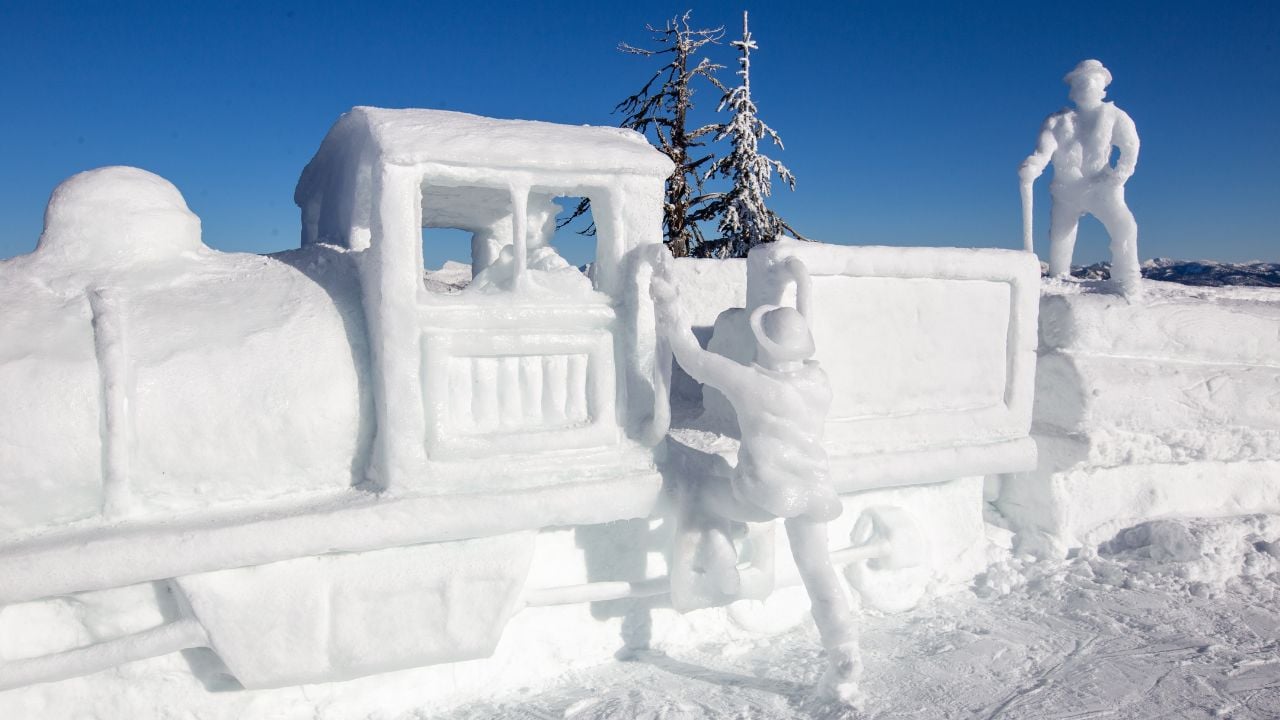
12 Idaho Habits That Make Total Sense Once You’ve Lived Through an Idaho Winter

In Boise, your sidewalk needs to be shoveled by 9 a.m. every morning there’s snow on it.
Idahoans pick up habits like that fast once winter settles in.
Here are the Idaho habits that make total sense once you’ve lived through an Idaho winter.
1. Checking the Burn Rules
Checking whether burning is allowed before you light the woodstove sounds fussy until a winter inversion settles in.
In winter, air quality advisories can occur when weather inversions trap pollutants near ground level.
During an air quality advisory, the Idaho Department of Environmental Quality bans all outdoor burning.
Boise’s ordinance works off the forecast.
Once the forecasted air quality index (AQI) reaches 60, open burning isn’t allowed, though fireplaces and woodstoves are still okay.
At a forecasted AQI of 74, open burning, fireplaces and woodstoves aren’t allowed.
So you check the forecast before you strike a match.
The woodstove can wait.
2. Shoveling by 9 a.m.
Boise sidewalk shoveling comes with a deadline of 9 a.m.
The deadline applies every morning snow is on the ground.
If you own a building or vacant lot, city code has you clear the sidewalk and gutter in front of it by 9 a.m.
If you skip the job, you’re breaking city code.
3. Skipping the Deer Feed
Deer and elk in town look hungry in winter, and you may think a bucket of feed is the kind thing to do.
Idaho Fish and Game says feeding them can do more harm than good.
Once people learn about the impacts, many stop doing it.
A sudden switch to supplemental feed can cause digestive problems, bloat and potentially death, especially in younger animals.
Feeding them can also attract animals homeowners don’t want around, and it sometimes draws mountain lions into town.
Animals can lose their fear of people, which can lead to injury and sometimes death.
You can wave instead.
Psst! How much do you know about Idaho’s place in American history? Take our quiz and see if you can ace it.
Quiz
Idaho Patriot Quiz
Answer these questions on Idaho’s statehood, symbols, and firsts. We bet you can’t get them all right. Prove us wrong?
In 1955, nuclear energy powered an entire community for the first time. Which Idaho town was it?
4. Nordic Skiing on Groomed Trails
Many people spend winter weekends on groomed Nordic trails.
Idaho has 14 Park N' Ski locations.
Idaho Parks and Recreation says over 180 miles of groomed and ungroomed trails are marked in some of the most scenic areas in Idaho.
You need a Park N' Ski permit for winter Nordic skiing and snowshoeing at those locations from November 15 through April 30.
The money goes toward plowing parking lots and improving the trails.
When you buy a permit, you can designate which area receives your fee, so your money goes to the trailheads you ski.
5. Testing the Ice
Ice fishing in Idaho calls for a test hole before you venture too far onto the ice.
Idaho Fish and Game puts the minimum for one person at three to four inches of solid ice.
A snowmobile or an all-terrain vehicle needs 10 inches.
Thickness isn't always uniform, so you drill test holes to check it.
Inlets, outlets, springs and docks call for extra caution.
Ice can change daily.
Ice on Idaho's lakes and reservoirs usually isn't thick enough to drive a car or truck across.
6. Reading the Avalanche Forecast
The avalanche forecast is a daily habit for many people heading into snowy backcountry.
The Forest Service's Sawtooth and Payette avalanche centers produce a daily avalanche forecast, covering parts of four national forests.
At the Payette center, forecasters review National Weather Service forecast products, dig snowpits and run stability tests.
You check the day's forecast online before you go.
Avalanche courses are also a first step toward staying safe.
Then you decide.
7. Skiing After Work
Bogus Basin describes itself as a nonprofit mountain recreation area 16 miles from the Treasure Valley.
Skiing and snowboarding there run from 9 a.m. to 9 p.m. in the regular season, with a 10 p.m. close on Fridays and Saturdays.
That schedule gives you a few runs after the workday ends.
Your dinner can wait.
8. Clearing the Gas Meter
Clearing snow off the gas meter is a winter habit for many people with natural gas service.
Intermountain Gas advises customers to carefully clear snow and ice away from the meter for safety.
Accumulated snow puts stress on your meter piping, and damage to the piping can cause a gas leak.
When you dig it out, don't strike the meter with a snow blower, blade or shovel, and don't kick it to clear ice.
Emergency crews need clear access to your meter.
Check that snow and ice aren't blocking the furnace vent, too.
9. Buying Firewood in Spring
Many people buy next winter's firewood months before they need it.
Boise National Forest personal fuelwood permits are available from May 15 through Nov. 30 in 2026.
The minimum permit costs $25, which works out to $6.25 a cord.
You have to buy at least four cords.
Your household can take up to 10 cords a year.
10. Letting Faucets Drip
Letting a faucet drip is a winter habit for many people on the coldest nights.
In February 2023, the City of Driggs asked residents to keep a pencil-tip thick trickle of cold water flowing from a faucet.
The city was seeing an increase in frozen water lines that winter.
Opening cabinet doors to heat around pipes was another tip.
So you leave a tap on a trickle and open your cabinet doors when the temperature drops.
11. Cutting a Christmas Tree in Snow
A Boise National Forest Christmas tree permit includes a rule written for snow.
You cut the trunk within 6 inches of the ground surface, and the permit specifies ground, not the snow surface.
So you pack a shovel.
Your tree can't top 12 feet.
Permits go on sale in early November.
You can buy one on Recreation.gov, at a ranger district office, at the Boise Supervisor's Office or at participating local businesses.
The permit covers Boise National Forest land only.
The permit also bars cutting in Park N' Ski areas and on ski trails.
12. Planning Around McCall's Carnival
McCall's Winter Carnival traces back to the Payette Lakes Sports Carnival, which McCall created in 1924 to beat the winter doldrums.
That first carnival drew approximately 2,000 people.
The schedule had dog and snowshoe races, ski jumping, horse skijoring and a tug-of-war.
At the original carnival, you could also ride across the lake ice in a motor sleigh powered by an airplane motor.
In the 1990s, the carnival stretched from a single weekend event into a 10-day extravaganza.
It has also moved around the winter calendar several times, so you check the dates before you book a room.
7 Reasons WinCo Doesn't Take Credit Cards at Every Idaho Location
Groceries are expensive enough without a surprise at the register.
WinCo doesn't take credit cards at every Idaho location, and here's how that plays out for Idaho shoppers.
7 Reasons WinCo Doesn't Take Credit Cards at Every Idaho Location
5 Fall Home Repair Scams Targeting Idaho Homeowners This Season
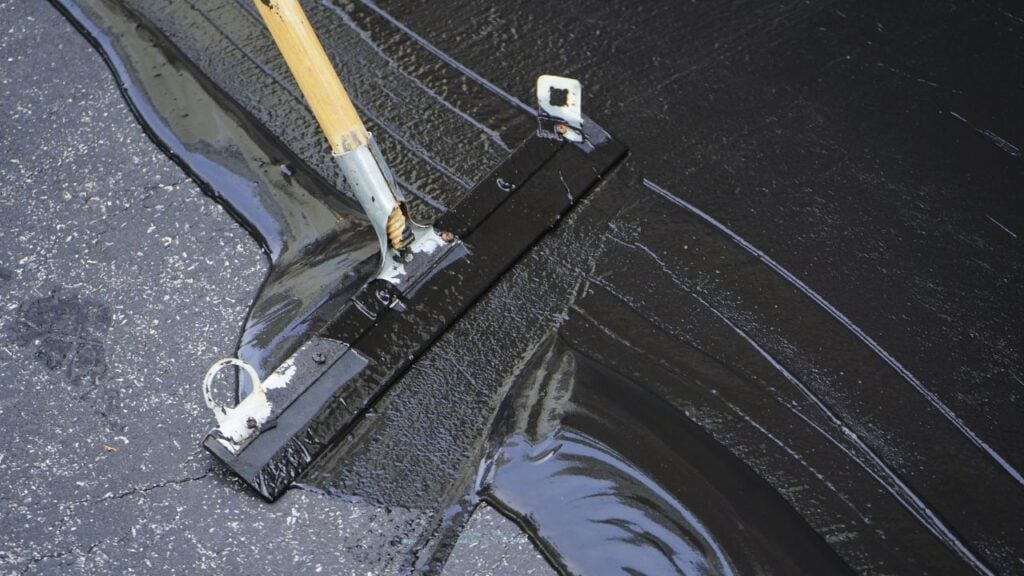
Fall is when Idaho homeowners start calling contractors for cold-weather repairs.
A bad contractor knows exactly when to knock, and these are the scams to watch for.
5 Fall Home Repair Scams Targeting Idaho Homeowners This Season
