
12 Pennsylvania Traditions Younger Generations Are Letting Fade Away

Ask a Pennsylvanian over 60 what they miss, and the answer rarely involves a place.
It’s a day off school, a pastry fried in lard, a folding table full of pierogi.
Their grandkids have never heard of half of it.
These are the Pennsylvania traditions younger generations are letting fade away.
First Day of Buck Season
Pennsylvania once treated the opening day of rifle deer season like a floating holiday.
The season kicked off the Monday after Thanksgiving, and a lot of rural school districts closed.
Everybody knew why the desks would sit empty, so the districts saved themselves the trouble.
Then in 2019, the Game Commission moved the opener of buck season to the Saturday after Thanksgiving.
A Saturday opener needs no day off, so the school holiday that older Pennsylvanians grew up with faded out.
Fastnacht Day
The morning before Ash Wednesday, Pennsylvania Dutch kitchens filled with the smell of dough hitting hot lard.
Fastnacht Day meant using up the fat, sugar, and eggs before the Lenten fast.
So, families fried a heavy, holeless doughnut called a fastnacht.
Grandma would split one open and pour molasses over it, and that was breakfast.
There was a rule the little ones dreaded.
The last person out of bed got called the “Fastnacht” and took teasing all day for sleeping in.
Plenty of Pennsylvanians now grab a boxed doughnut and never learn the reason behind it.
Church-Basement Pierogi Making
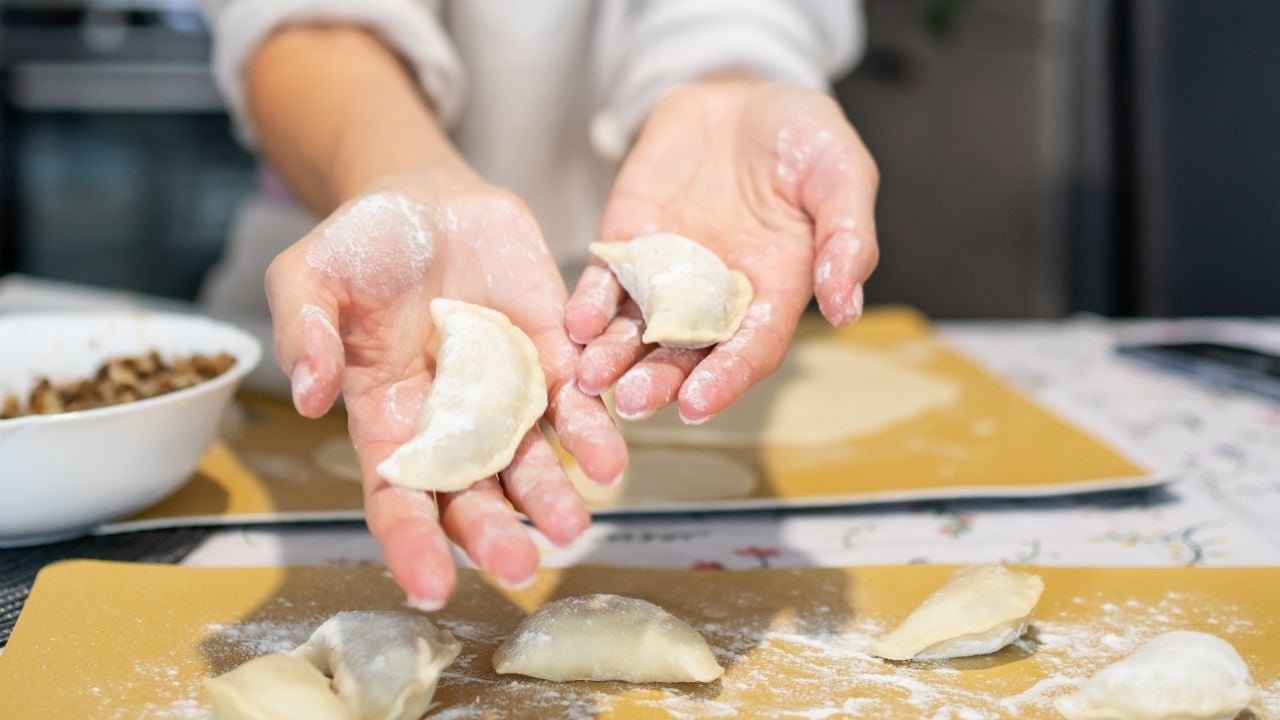
Through Lent, the basement of a Pennsylvania Catholic church turned into a pierogi assembly line.
One crew rolled dough, another spooned in mashed potato and cheese, and a third pinched and bagged.
The talk ran as steady as the flour, family news and old stories traded across the folding tables.
Pittsburgh earned the habit honestly, eating more pierogi than any city in the country.
The pinchers who kept those Friday sales going are aging out, and younger Pennsylvanians would rather buy a frozen box than spend a Saturday elbow-deep in dough.
Going to Deer Camp
Deer camp gave Pennsylvania hunters an excuse to disappear into the woods for a week every fall.
Men drove up to McKean County or the northern tier, opened a drafty cabin, and spent the days before the opener playing cards and telling the same lies.
The hunting almost came second to the company.
Pennsylvania’s hunter count has slid since the 1980s, with license sales dropping from about 939,000 in 2012 to 845,000 a decade later.
The Saturday opener trimmed the long weekend at camp too, and the sons who used to inherit a bunk aren’t always showing up to claim it.
Seven Sweets and Seven Sours
A Pennsylvania Dutch supper table used to carry a small parade of side dishes nobody skipped.
The custom went by “seven sweets and seven sours,” an even split of sugary and tart relishes.
Sweets meant apple butter, jams, and chow-chow.
Sours meant pickled beets, cucumbers, and a dish of sauerkraut.
Most Pennsylvania Dutch cooks won’t bother setting all fourteen out at home anymore, and even Lancaster County restaurants have thinned the spread down for tourists who don’t know to ask.
Pork and Sauerkraut on New Year’s
January 1 in Pennsylvania means a pot of pork and sauerkraut simmering for good luck.
The Pennsylvania Dutch tie it to the pig, an animal that roots forward instead of scratching back, so eating it points you toward progress in the new year.
Grandparents swore the meal was non-negotiable, kraut and all.
Younger Pennsylvanians who can’t stand sauerkraut skip the whole plate and take their chances.
Psst! How much do you know about Pennsylvania? Take our quiz and see if you can score 100%.
Quiz
Pennsylvania Firsts Quiz
Answer these questions about Pennsylvania firsts and oddities. We bet at least two of them trip you up.
Which Pennsylvania city aired the first commercial radio broadcast in the United States?
Ordering a Lager
Walk into an old Pennsylvania tavern and say you want "a lager," and the bartender knew you meant Yuengling.
The Pottsville brewery has been running since 1829, which makes it the oldest operating brewery in the country.
Its Traditional Lager earned that shorthand fair and square across generations of Pennsylvania drinkers.
A younger crowd walks past the tap for a hazy craft IPA with a cartoon on the can, and plenty of them couldn't tell you the brewery sits three hours up the road.
Summer Church Festivals
A Pennsylvania summer used to run on parish picnics and church festivals, one parish's after another.
Northeastern Pennsylvania built its whole social calendar around them, hauling out the halushki, the raffle wheels, and the polka bands weekend after weekend.
Everybody in the parish took a shift.
The volunteers who fried the potato pancakes are getting older, congregations have thinned, and the grandchildren who used to run the game booths grew up and moved for work.
Some Pennsylvania parishes have shortened their festivals or dropped them entirely.
Fire Company Carnivals
The volunteer fire company carnival was a fixture of small-town Pennsylvania, funnel cake smoke drifting over a field of rides and bingo tents.
The carnival kept the trucks running, since a Pennsylvania fire company leans on that money to buy equipment.
Fewer hands now show up to build the booths.
Pennsylvania counted roughly 300,000 volunteer firefighters in the 1970s.
It now sits near 30,000. A smaller crew means fewer weekends anybody can spare for a carnival.
Groundhog Day at Gobbler's Knob
Groundhog Day started as a homegrown Pennsylvania ritual before Hollywood got hold of it.
Families in Punxsutawney bundled up and hiked to Gobbler's Knob before dawn on February 2 to hear one groundhog's verdict on winter.
Fewer than 2,000 people came most years before 1993.
The Bill Murray movie changed all that, and the crowd swelled past 40,000 some years, most of them from out of state.
For younger Punxsutawney locals, the pre-dawn trek to the Knob has turned into an optional show they can catch on their phones instead of a family outing.
Coal Region Patch-Town Ways
Northeastern Pennsylvania's anthracite region raised whole towns on the rhythms of the mine.
The patch towns ran on a shared life, women baking bread in a communal oven, families minding one another's kids, everybody speaking a little of the old country.
Then the mines closed, sons stopped following fathers underground, and the young people left for jobs elsewhere.
Vacant lots dot those patch towns now.
The block-by-block closeness that held a coal town together lives mostly with the Pennsylvanians old enough to have been born into it.
The Mummers Parade
Philadelphia rings in every New Year's Day with the Mummers Parade, the oldest continuous folk parade in the country.
The first city-sponsored parade strutted up Broad Street in 1901, though the neighborhood mummery behind it reaches back to the 1600s.
Whole Philadelphia families used to sew sequined costumes all year and march with a club they'd belonged to for decades.
String bands still need players who can march and pluck a banjo in the January cold, and the clubs keep hunting for young Philadelphians willing to spend a year of Saturdays on a costume nobody outside the parade will ever see up close.
The strut takes a level of commitment fewer families hand down these days.
Enough clubs still fill Broad Street each January that Philadelphia hasn't lost the parade, only the wide bench of neighbors who once kept it stocked.
10 Pennsylvania Places Boomers Miss That Are Gone for Good
Some Pennsylvania spots only exist now in a boomer's memory.
The department store, the drive-in, the corner joint that closed and never came back.
10 Pennsylvania Places Boomers Miss That Are Gone for Good
10 Things You Can't Say About Pennsylvania Around a Local

Pennsylvanians let a lot slide, but not everything.
Say the wrong thing about their sandwiches or their sports teams, and you'll hear about it.
