
12 Signs Someone Wasn’t Raised in Florida, According to Floridians

Reaching for cash at a Florida Turnpike toll? That’s a quick way to show you’re not from here.
Floridians pick up on slips like that fast.
Here are the signs someone wasn’t raised in Florida, according to Floridians.
1. Cockroach or Palmetto Bug
Newcomers often say cockroach where many locals say palmetto bug.
The University of Florida’s pest guide says people in the southeastern United States often call one native cockroach species a palmetto bug.
That backs up the locals, so you can say palmetto bug with a straight face.
2. Tampa Cuban Without Salami
Tampa’s City Council voted unanimously in 2012 to make the “Historic Tampa Cuban Sandwich” the city’s signature sandwich.
The sandwich the council defined is marinated pork, Genoa salami and sweet ham.
If you ask for one without the salami in Tampa, many locals may raise an eyebrow.
3. Green Key Lime Pie
The Florida Keys tourism council says egg yolks give the filling a yellowish coloring and that green pies aren’t authentic.
If you expect a green Key lime pie, you’re often in for a surprise.
The debate over the best topping has gone on for decades.
Order the green one, and a Keys local may politely disagree.
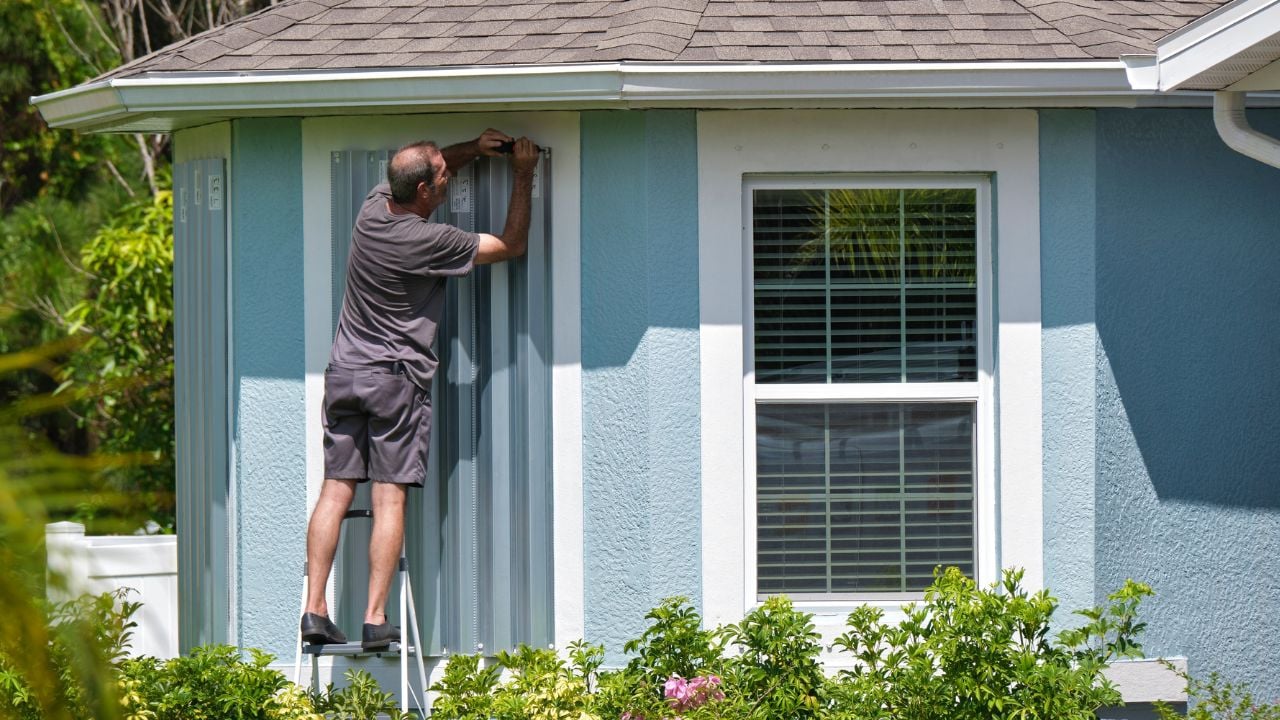
4. Your Evacuation Zone
Many longtime residents can name their evacuation zone without looking it up, and newcomers often can’t.
The state’s Know Your Zone page says it’s important for residents to know if they live in an evacuation zone.
Evacuation zones run from A to F.
Zone A is typically the most vulnerable and the most likely to evacuate first.
Take the time now to find out which zone you are in.
Finding Your Evacuation Zone
Florida’s Know Your Zone map asks you to type in your address, then shows which zone your home falls in.
Not all evacuation zones are always ordered.
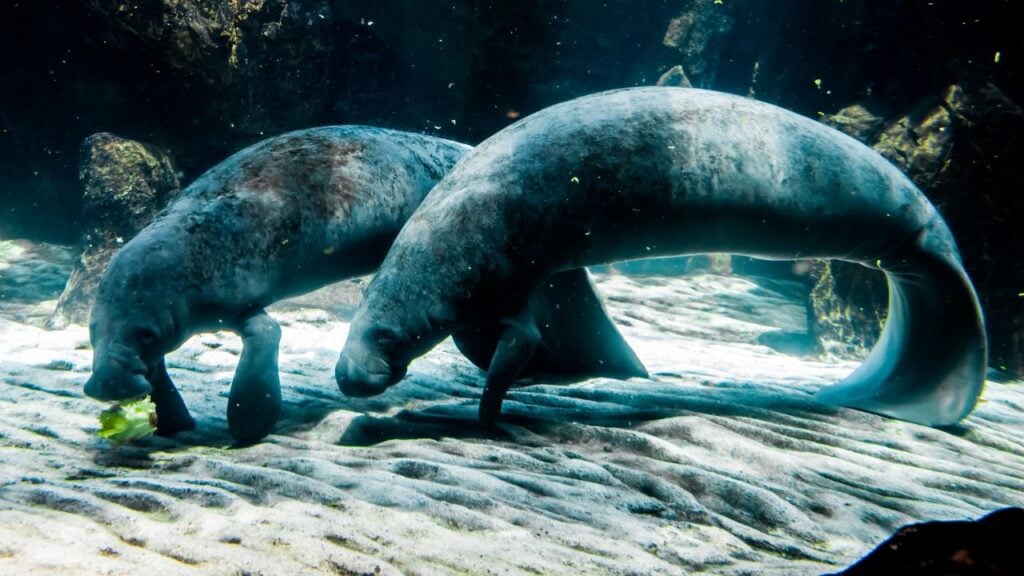
5. November 15 and Manatees
The U.S. Fish and Wildlife Service runs programs at Three Sisters Springs during manatee season, which it lists as November 15 through March 31, and says the programs are offered daily.
Under federal rules, you can’t take part in waterborne activities in the Three Sisters Springs area from sunset to sunrise during those months.
Newcomers often miss the date manatee season starts around Crystal River’s Kings Bay.
Federal rules also prohibit chasing or pursuing a manatee in the bay’s waters.
6. Cash at the Toll Booth
Reaching for cash at a Florida Turnpike toll location may give you away.
The Turnpike says cash isn’t accepted at its electronic toll locations.
Vehicles with a SunPass or another accepted transponder are charged from a prepaid account.
Without a transponder, the cameras photograph your license plate, and a Toll Enforcement Invoice is mailed to the registered owner, with a $2.50 administrative charge.
Your cup holder full of quarters can stay put.
7. 30-Minute Thunder Rule
The National Weather Service office in Melbourne calls Florida the lightning capital of the U.S.
Stay inside until 30 minutes after the last clap of thunder.
As soon as the rain stops, many newcomers head back outside.
Your half hour starts at the last thunder, not the last raindrop.
8. Two Time Zones
Assuming one time zone for the whole state often gives a newcomer away.
Federal rules draw the time line between Eastern and Central through the Panhandle, along the Apalachicola River and the Gulf County line.
Cross that line heading west, and you’re on Central time.
9. Reading the Hurricane Cone
When you see the hurricane cone, keep in mind that the National Hurricane Center says it shows the probable track of a storm’s center.
Each circle along the cone is drawn so that two-thirds of historical forecast errors over a five-year sample fall inside it.
Many locals set newcomers straight when they read the hurricane cone as the size of the storm.
In other words, the cone maps where the center may go.
10. Looking for Four Seasons
Many locals in South Florida sort the year into wet and dry, while newcomers often wait for four seasons.
South Florida’s rainy season runs from May 15 to October 15, according to the National Weather Service in Miami.
The National Weather Service in Miami has used those fixed dates since 2018.
Within that window, you get 60 to 70 percent of a typical year’s rainfall.
The other seven months share the rest.
11. Thanksgiving Before Plymouth
The National Park Service says Spanish settlers who landed at St. Augustine in 1565 celebrated a Mass of Thanksgiving.
Many locals will tell you the Thanksgiving story starts earlier than Plymouth’s.
Psst! How Florida-raised are you? Run through this checklist and see where you stand.
12. Driving on the Beach
Cars rolling onto the sand at Daytona Beach often make newcomers stop and stare, while many locals barely look up.
The Daytona Beach Area Convention and Visitors Bureau says signs and wooden posts mark the areas where you can drive on Volusia County’s beaches.
The bureau says hours change by season, and from November 1 through April 30, driving runs from sunrise to sunset, tides permitting.
The bureau also says Volusia County residents can drive on the beach without paying a fee.
12 Things Northerners Get Wrong About Florida Winters
Newcomers who picture year-round flip-flops are often in for a surprise.
These are the things Northerners get wrong about Florida winters.
12 Things Northerners Get Wrong About Florida Winters
9 Things That Change the Second You Move From New York to Florida
A move from New York to Florida often comes with a few surprises.
Some of the changes put money back in your pocket, and a few take it out.
9 Things That Change the Second You Move From New York to Florida
