

Eating Out Costs Mainers 39% More Than It Did in 2019. Here’s What That Means for You

A $50 dinner out in 2019 would run you about $70 now, by the federal count for the Northeast.
Mainers who eat out have felt that climb, and it’s outpaced what groceries did.
Here’s what the numbers say about how much more eating out costs Mainers than it did in 2019.
Note: This is general information, not financial advice. Prices, tax rates and wage figures are subject to change.
The 2019 and 2026 Readings
Eating out has a separate line in the federal Consumer Price Index (CPI), which the Bureau of Labor Statistics (BLS) publishes for the Northeast region.
The Northeast region has nine states: Connecticut, Maine, Massachusetts, New Hampshire, New Jersey, New York, Pennsylvania, Rhode Island, and Vermont.
After a 2018 revision, BLS publishes indexes for 23 local areas, and none of them is in Maine.
If you live in Maine, the Northeast line is the federal count that covers your state.
We compared August with August.
In August 2019, the Northeast index for food away from home, the federal term for eating out, read 289.738.
In August 2026, the latest month available when we pulled the data, it read 402.608.
Those two readings work out to a rise of 39.0% over seven years.
A $50 Night Out, Translated
The federal count for eating out is an index, not a menu price, so the 39.0% needs translating.
Say a night out cost you $50 in August 2019. On the same index, that night out would run about $69.50 in August 2026.
That’s about $19.50 more.
A $20 lunch works out to about $27.80.
A $100 tab works out to about $139.
Those are index translations, not Maine menu prices.
Your check depends on where you eat and what you order.
How the Federal Count for Eating Out Reaches 39%
The federal count for eating out turns two index readings into a percent change in three steps.
First, subtract the earlier reading from the later one: 402.608 minus 289.738 leaves 112.870.
Second, divide that gap by the earlier reading: 112.870 divided by 289.738 is about 0.3896.
Third, multiply by 100 to get 38.96, which rounds to 39.0%.
For a round-number check, picture 290 growing to 403: a gain of 113 on a base of 290, or about 39 on every 100.
What the Count Covers
Eating out, by the federal count, covers more than sit-down restaurants.
It has five parts.
Three are full-service meals and snacks, limited-service meals and snacks, and food at employee sites and schools.
The other two are food from vending machines and mobile vendors, and a catch-all called other food away from home.
The count includes sales taxes tied to a purchase, so a tax on your meal counts.
It includes mandatory service charges as well.
BLS generally leaves optional tips out because the customer decides how much to leave.
So the tip you leave sits outside the 39.0%.
Restaurants Versus Groceries
Restaurant prices in the Northeast rose faster than grocery prices over the same seven years.
The food-at-home index went from 250.784 in August 2019 to 325.097 in August 2026.
That’s a rise of 29.6%, compared with 39.0% for eating out.
If you spent $100 on groceries in August 2019, the same groceries would cost about $129.60 on that index.
A $100 restaurant tab would be about $139.
That leaves eating out ahead by more than nine percentage points.
The 12 months to August 2026 show the same order, with eating out up 3.5% and groceries up 2.6%.
Psst! How much do you know about restaurant prices and the numbers behind them? Take our quiz and see if you can ace it.
Quiz
Menu Price Pop Quiz
Answer these questions on restaurants, menus, and the numbers behind their prices. We bet you can’t get them all right. Prove us wrong?
Maine’s Department of Marine Resources says lobster harvesters got roughly what price a pound at the boat in 2025?
The Northeast Against the Nation
The U.S. city average for food away from home rose 39.4% over the same seven years, from 285.507 to 397.868.
That's only 0.4 points above the Northeast.
You can't read a price difference into 402.608 versus 397.868, though.
BLS says an area's index tracks how prices changed over time there, not whether prices run higher or lower than in another area.
If you're comparing places, use the percentages because each one starts from that area's reading.
Year-by-Year Rises
Restaurant prices in the Northeast rose in each August-to-August stretch from 2019 to 2026, but not at the same speed.
From August 2019 to August 2020, the index rose 3.4%.
The next year added 4.6%.
Then came the steepest stretch, with 7.1% to August 2022 and 7.0% to August 2023.
The yearly rise has slowed since, with 4.2% to August 2024, 3.9% to August 2025 and 3.5% to August 2026.
On the $50 night out from earlier, the same index puts August 2022 at about $58 and August 2023 at about $62.
Your check may have moved faster or slower because an index averages the changes in many different prices.
The State Tax and Wage Floor
Maine's 8% tax on restaurant meals is one of the sales taxes the federal count includes, and it hasn't changed since 2019.
If you order takeout, you pay the same rate.
Maine's minimum wage went from $11.00 in August 2019 to $15.10 in 2026.
Maine's Department of Labor announced on September 18 that the minimum wage rises to $15.70 on January 1, 2027.
The minimum cash wage for service employees goes to $7.85 on the same date.
9 Things You'll Only Understand About Maine After a Winter There
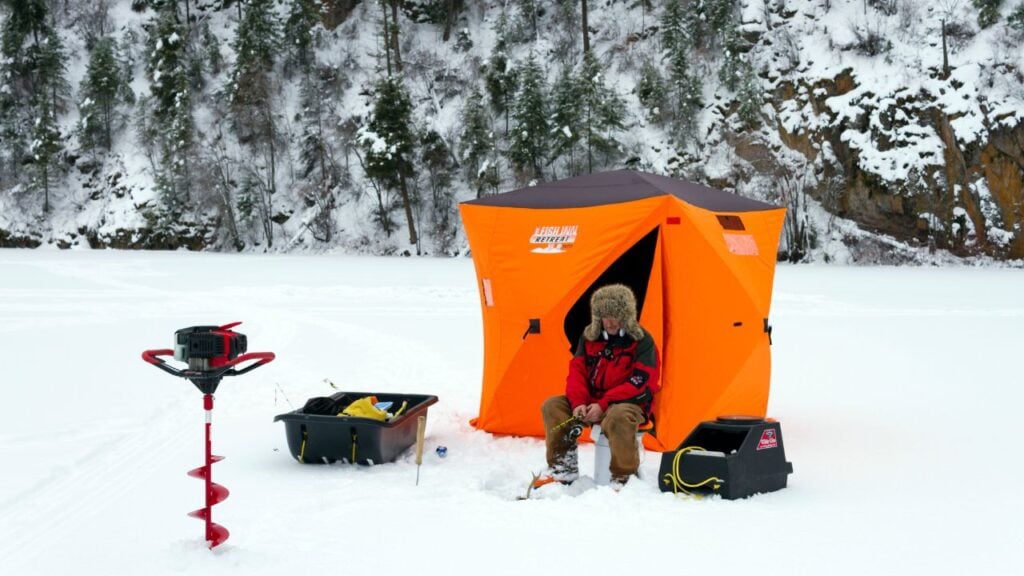
Summer visitors see Maine at its best.
Winter shows what living there takes, from the early dark to the chores that come with the cold.
9 Things You'll Only Understand About Maine After a Winter There
7 Things Maine Homeowners Need to Finish Before Winter Sets In
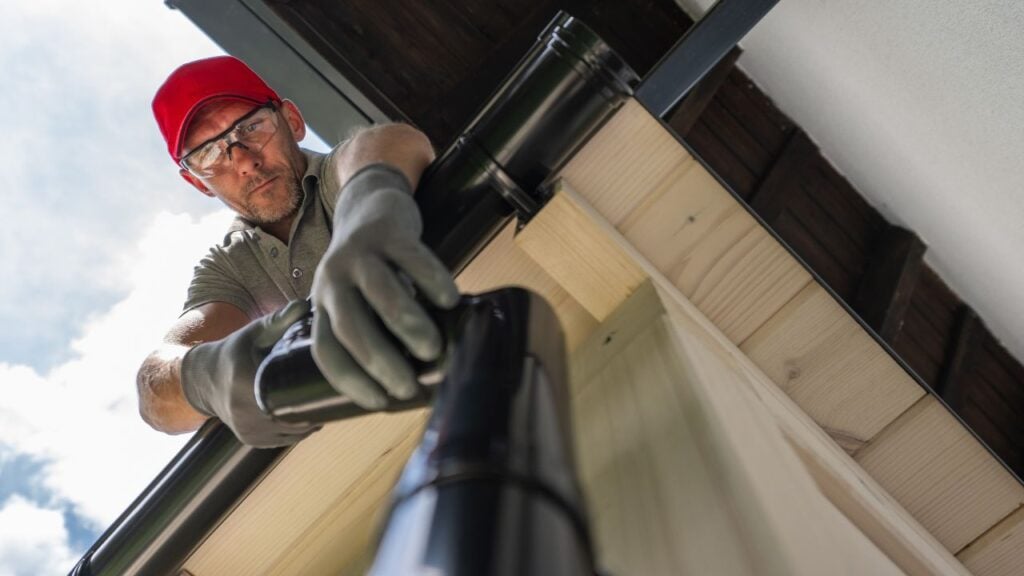
Winter in Maine doesn't wait for your to-do list.
A few jobs done now can help you avoid a cold house, a burst pipe, or a bigger heating bill later.
7 Things Maine Homeowners Need to Finish Before Winter Sets In
