
12 Summer Jobs Georgia Teens Had in the ’70s That Don’t Exist Anymore

Georgia teenagers in the 1970s earned their gas money in ways that sound half-invented now.
They hauled milk crates, cropped tobacco, and balanced trays on car windows.
Every one of those paychecks came from work that has since disappeared.
These are the summer jobs Georgia teens had in the ’70s that don’t exist anymore.
1. Cropping Tobacco at Dawn
Cropping tobacco was the hardest summer money a south Georgia teen could earn.
Crews walked the rows at first light, snapping ripe leaves off the bottoms of the stalks while the sap blackened their hands.
By noon, the heat sat in the 90s, and the truck kept moving.
Towns like Tifton, Douglas, and Vidalia built their late summers around the harvest, and auctioneers chanted through the warehouses every August.
Mechanical harvesters thinned the crews first.
Then Congress ended the federal quota program with the 2004 buyout, and Georgia’s tobacco auctions closed for good.
The crop hangs on at a shrinking handful of farms. The teenage crew doesn’t.
2. Pumping Full-Service Gas
Full-service gas stations handed Georgia teens the easiest uniform in town: A collared shirt with a name patch and a rag in their back pocket.
Drivers rolled over the bell hose, and the attendant did the rest.
Gas, oil check, windshield, air in the tires.
Self-serve pumps spread across the country through the ’70s because they shaved a few cents off every gallon.
By the mid-’80s, the pump jockey had all but vanished from Georgia’s corners, and the name patch went with him.
3. Soda Jerk
Small-town Georgia drugstores still ran soda fountains into the ’70s, and the teenager behind the counter ran the fountain.
Cherry Cokes, vanilla shakes, a lime phosphate for the pharmacist on break.
The trade had deeper Georgia roots than most teens knew.
The first Coca-Cola ever served went across the counter at Jacobs’ Pharmacy in Atlanta in 1886, priced at five cents a glass.
Chain drugstores bought out the corner pharmacies, and the fountains disappeared in the deal.
By the ’80s, the counter stools were gone too.
4. Riding the Milk Route
Milk trucks still worked metro Atlanta neighborhoods in the ’70s, and a strong-backed teen made the perfect summer helper.
Mathis Dairy in Decatur was the name every family knew, thanks to Rosebud, the cow thousands of DeKalb County schoolkids got to milk on field trips.
The helper worked the curb side, swapping full glass bottles for empties on the porch.
As late as 1988, Mathis still delivered to 17,000 homes.
Supermarket cartons undercut the routes year after year, and home milk delivery in metro Atlanta faded to nothing.
5. Drive-In Ticket Booth
Drive-in movie theaters hired half the teenagers in any Georgia county seat: Ticket booth, concession stand, projection shack.
Georgia ran more than 130 drive-ins in the mid-1950s, and plenty still glowed on summer nights twenty years later.
The job paid in free movies and mosquito bites, roughly equal amounts of each.
Developers turned the land under the big screens into strip malls and subdivisions.
Only a handful of Georgia drive-ins survive, Atlanta’s Starlight among them, and their small crews look nothing like the old summer payrolls.
6. Carhopping for Tips
Carhops worked every Georgia drive-in restaurant worth its milkshakes, balancing loaded trays on half-rolled windows.
The Varsity in Atlanta employed nearly 130 carhops in its 1950s heyday, and the best of them earned tips worth bragging about.
By the ’70s, the curb crews had thinned, but a fast teenager could still make a summer of it.
Dining rooms and drive-thru lanes took the business inside.
The Varsity keeps a version of curb service alive downtown. Almost nowhere else in Georgia does.
Psst! How much do you remember about 1970s Georgia? Take our quiz and see if you can score 100%.
Quiz
’70s Georgia Rewind
Answer these questions about Georgia in the 1970s. We bet you can’t get them all right. Prove us wrong?
7. Dime-Store Lunch Counter
Woolworth's and Kress lunch counters put Georgia teens in paper hats from Columbus to Savannah.
They flipped grilled cheese, scooped egg salad, and poured sweet tea all afternoon.
Shoppers planned whole downtown Saturdays around a counter stool.
Discount chains squeezed the five-and-dime out of those downtowns.
Woolworth closed its last 400 American stores in July 1997, and the lunch-counter shift ended with them.
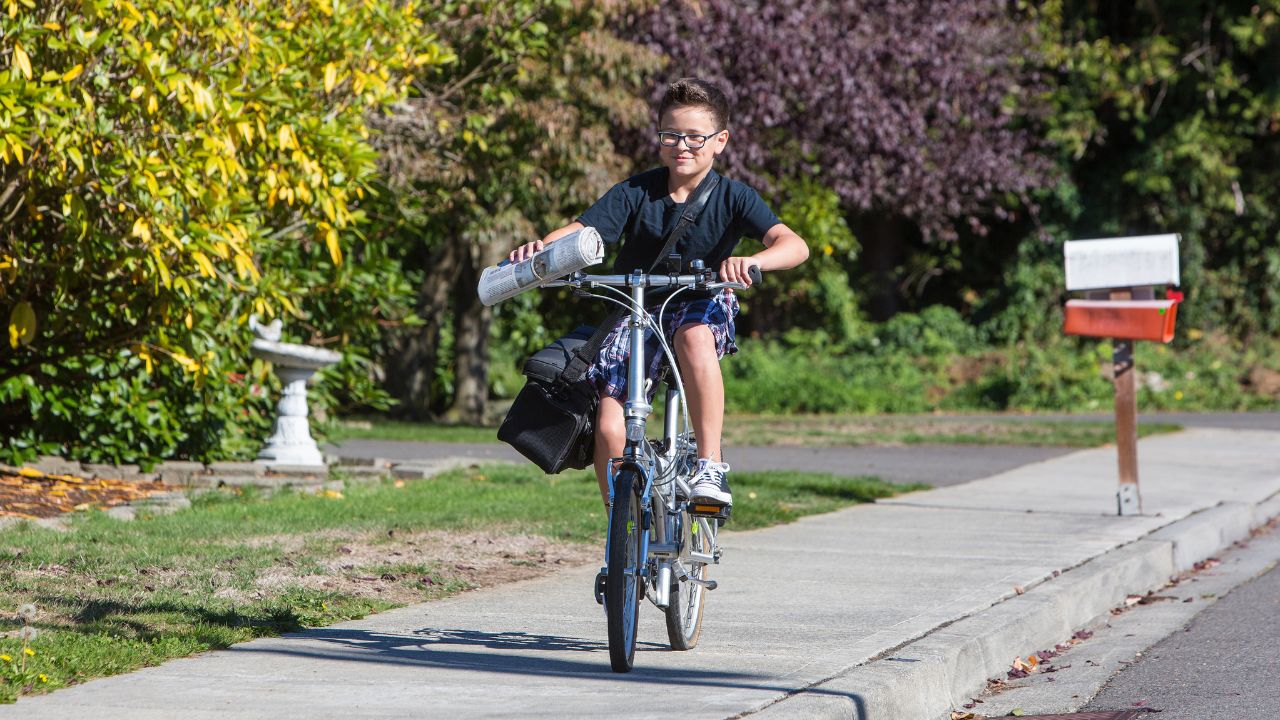
8. Afternoon Paper Route
Paper routes in Georgia meant the Atlanta Journal, the afternoon paper that promised it "Covers Dixie Like the Dew."
A teen on a bike learned to fold, throw, and hit a porch from twenty feet.
Collection day meant knocking on doors with a canvas change apron and a receipt book.
Afternoon papers lost their readers to the evening news.
The Journal and the Constitution merged into a single morning paper in 2001, and adults in cars took over what routes remained.
9. Selling Grit Door to Door
Grit sales turned rural Georgia kids into door-to-door newspapermen.
The weekly billed itself as America's Greatest Family Newspaper, and it recruited its young sales force through ads in the back of comic books.
About 30,000 kids carried the paper nationwide at its peak, and the pitch still ran through the '70s.
A young salesman kept a few cents per copy, plus a shot at prizes from the ad.
The newsboy network faded out, and Grit survives today as a rural-lifestyle magazine sold on racks, not porches.
10. Sorting Returnable Bottles
Bottle deposits paid Georgia kids before any W-2 job would.
They hauled wagonloads of empty Coke bottles to the corner store for a few cents each, and store owners hired teens to sort the crates out back.
Every bottle rode back to the bottling plant for washing and refilling.
Then "No Deposit, No Return" showed up printed on the glass.
Cans and one-way bottles took over through the '60s and '70s, and the sorting room emptied out.
Georgia never passed a bottle-deposit law, so the wagon money never came back either.
11. Caddying for Cash
Caddie yards at Georgia clubs filled with teenagers every summer morning.
A double loop meant two bags, eighteen holes, and cash in hand by mid-afternoon.
Then golf carts rolled in, and club managers did the math: A cart rental costs nothing in wages.
Most Georgia courses dropped their caddie programs as carts spread.
A few high-end clubs, Augusta National among them, still use caddies. Those jobs belong to working adults now, not sixteen-year-olds saving for a Camaro.
12. Ushering the Picture Show
Movie ushering gave a Georgia teen a flashlight, a uniform, and more authority than any sixteen-year-old had business holding.
Ushers walked patrons down dark aisles, hushed the balcony, and swept rows for dropped wallets after the credits.
Single-screen theaters anchored nearly every Georgia downtown then, from Moultrie to Marietta.
Multiplexes cut the position and kept the popcorn line.
A kid with a flashlight once outranked every adult in the room, and Georgia teens wore that power well.
The next time somebody two rows back narrates a whole movie, you'll know which vanished summer job you miss most.
8 Waffle House Orders That Give Away a Georgia Regular
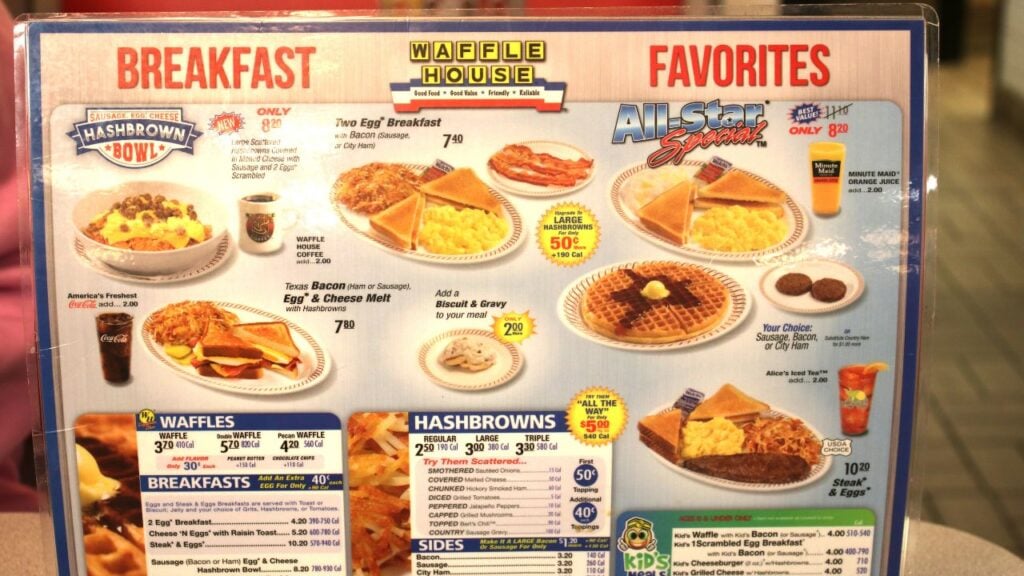
Waffle House has a language all its own, and Georgians speak it fluently.
8 Waffle House Orders That Give Away a Georgia Regular
9 Phrases That Instantly Give Away You're From Georgia

Drop a Georgian in any city in America, and their cover's blown within a sentence or two.
Blame the phrases picked up on a grandmother's porch, the ones that stick for life.
