
12 Things About Nebraska’s Sandhills That Surprise Even Lifelong Nebraskans

You’ve driven through the Sandhills, and all you remember is grass.
The ground under that grass hasn’t always stayed put.
Here’s what surprises even lifelong Nebraskans about Nebraska’s Sandhills.
1. More Cattle Than People
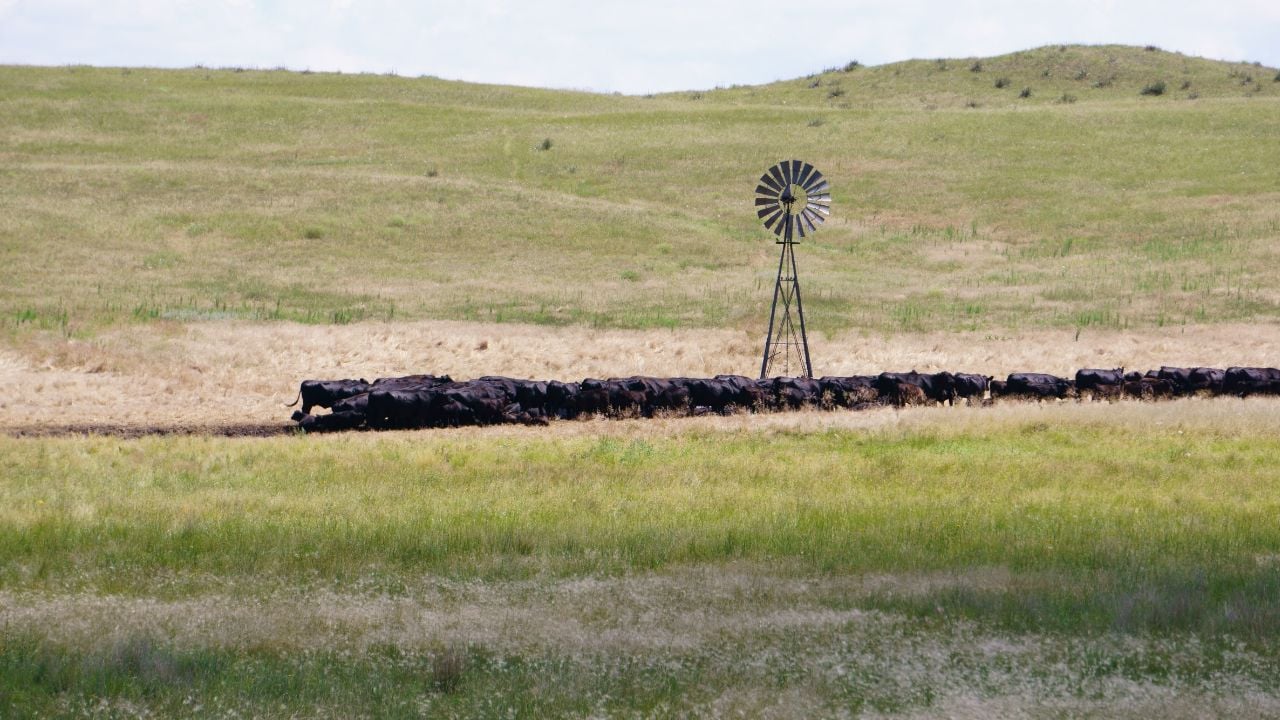
The Sandhills have more cattle than people, with roughly 500,000 head against 23,776 residents in 2020.
Cattle win easily.
More ranches now rotate their herds through a number of pastures during the grazing season.
Each pasture can rest anywhere from thirty days to a year, depending on rainfall.
So if you’re keeping count on a Sandhills drive, your odds of meeting a cow beat your odds of meeting a neighbor.
2. 640-Acre Homesteads
The Kinkaid Act, signed in 1904, let settlers in the Sandhills claim a homestead of 640 acres.
There were strings.
If you claimed one, you had to live on the land for five years and make improvements worth at least $800.
Congressman Moses Kinkaid of O’Neill introduced the bill, which targeted a region that wasn’t well suited to small farms.
That was a full section of Sandhills to work.
What a Section of Land Means
A Kinkaid homestead in the Sandhills covered a full section, which is about one mile on each side.
Townships are generally six miles on a side and have 36 sections.
Before the Kinkaid Act, the standard homestead was a quarter section, or about 160 acres.
3. Wet Hay Meadows
Much of the winter feed on Sandhills ranches comes from subirrigated meadows.
The Sandhills water table is shallow, close to the surface of the landscape.
Wet isn’t always good.
In a soggy year, some meadows stay too wet to hay, and winter grazing may be the only option.
If you pass a hay meadow in summer, you’re looking at what feeds the cattle in winter.
4. Largest Dune Area in the Western Hemisphere
The Sandhills cover about 19,300 square miles of sand dunes, the largest sand-dune area in the Western Hemisphere, according to a University of Nebraska atlas.
That field stretches 265 miles across Nebraska and reaches into South Dakota, so you’ve got a lot of dunes to drive past.
It’s also one of the largest grass-stabilized dune regions in the world.
That means the rolling hills you see from the road are dunes, with prairie plants holding the sand in place.
5. Dunes That Once Moved
The Sandhills’ dunes haven’t always stayed put.
During numerous severe droughts over the last 15,000 years, the dunes lost their plant cover and migrated freely, according to a University of Nebraska study.
Drought did it.
Buried bison tracks point to low spots that kept grass and water even while the sand moved.
So if you’re standing on a Sandhills hill, you may be standing on sand that has moved before.
6. Lakes Between the Dunes
The Sandhills have nearly 2,000 shallow lakes, according to Nebraska Game and Parks.
They form where flat valley floors between the dunes meet the aquifer.
They’re not deep.
A typical Sandhills lake is only two to four feet deep, though the water can range from fresh to brine.
The region’s wetlands cover over a million acres.
If you expect deep, blue water, many of these lakes will surprise you.
Psst! How much do you know about the Great Plains? Take our quiz and see if you can ace it.
Quiz
Great Plains Trivia
Answer eight questions on Great Plains geography, homesteads, and farmland. We bet you can’t get them all right. Prove us wrong?
In 2024, about what share of Nebraska’s land area was in farms and ranches?
7. Aquifer Beneath the Dunes
The Sandhills are part of the High Plains Aquifer, which people often call the Ogallala Aquifer.
About two-thirds of the water in that aquifer is in the Sandhills, so if you're visiting, you're standing on a big share of it.
In places, the water-bearing sediments are more than a thousand feet thick.
Almost all the rain that falls on the hills sinks into the sand.
Many streams and rivers across central Nebraska are fed by cool groundwater from the Sandhills.
If you've ever waded a Sandhills-fed river, the cool water may have started under the dunes.
8. One of the Largest Intact Grasslands
The Sandhills are among the largest intact temperate grasslands on earth, with over 12 million acres of prairie.
Across North America, about 75 percent of prairie habitat has been lost to farmland, development, invasive species and the spread of trees and shrubs.
Few intact grasslands remain anywhere in the world.
The Sandhills are one.
When you drive through, you're crossing a kind of ground that's become unusual.
If you want to see intact prairie, this is one of the places to go.
9. Arthur County's Population Drop
Arthur County, in the southern Sandhills, had 1,412 residents in the 1920 census.
The 2020 census found 434 residents.
The county covers about 715 square miles, so if you split it evenly, each resident would get about 1.6 square miles.
That's a lot of room.
If you compare the two headcounts, you can see how much a county can shrink in a century.
10. Forest Planted by Hand
The Sandhills have a national forest that people planted by hand, near the town of Halsey.
The Forest Service says the Bessey Ranger District is home to the largest hand-planted forest in the Western Hemisphere.
President Theodore Roosevelt approved the reserves in 1902, and the government withdrew more than 200,000 treeless acres that year.
Charles Bessey, a botanist, championed the idea and believed a forest once covered the region.
The forest is still there.
If you've only pictured grass and cattle, a stop near Halsey will change your mind.
11. National Scenic Byway
The Sandhills Journey Scenic Byway follows Nebraska Highway 2 for 272 miles between Grand Island and Alliance.
The federal government named it a National Scenic Byway in 2021.
If you drive it, you'll cross several rivers in the Loup River system and pass through towns like Thedford, Broken Bow and Ansley.
Broken Bow has the byway's visitors center.
12. Grouse at the Edge of Their Range
Game and Parks says the Sandhills are a stronghold for sharp-tailed grouse, and that the state is the southern extent of their range.
You'll find Valentine National Wildlife Refuge in the heart of the Sandhills, where male sharp-tailed grouse and prairie-chickens are in roughly equal numbers.
Congress set up the refuge in 1935 as a breeding ground for migratory birds, and it's now home to 270 bird species.
It covers 71,516 acres.
The National Audubon Society named it a Nebraska Important Bird Area in 2005, partly because of its greater prairie-chickens.
6 Things Kids in Rural Nebraska Do After School That City Kids Never Experience

Rural Nebraska has farms with room to spare.
That's room for a whole different childhood.
6 Things Kids in Rural Nebraska Do After School That City Kids Never Experience
9 Things That Change When Nebraskans Cross Into Iowa
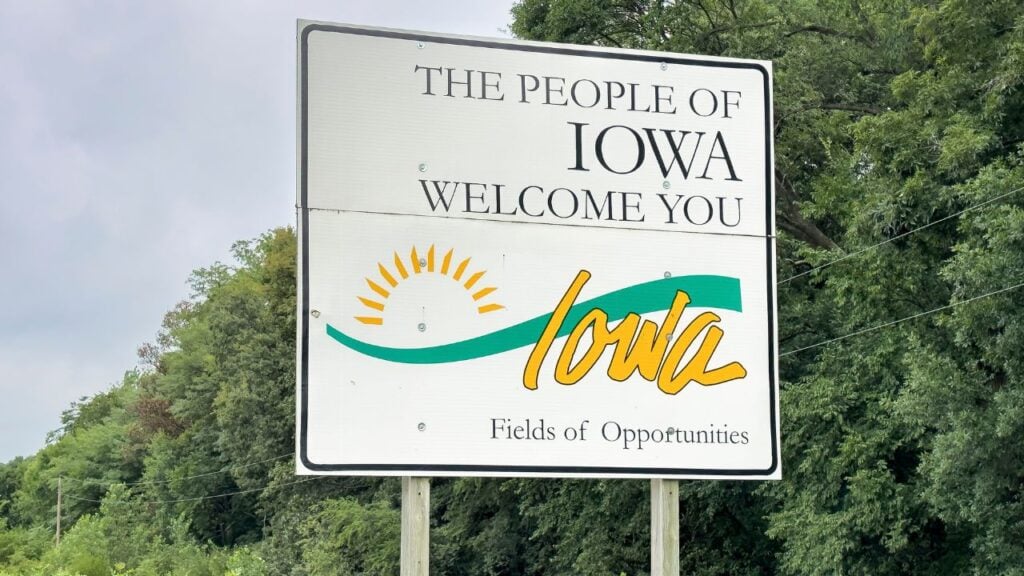
Something changes the instant a Nebraska driver crosses into Iowa.
That's just the start of it.
