
12 Things That Give Away Someone Who Grew Up in South Georgia

Spot a giant peanut along I-75 in Turner County, and you know you’re in South Georgia.
If you grew up down there, details like that are second nature.
Here’s what gives away someone who grew up in South Georgia.
1. Eye Gnats
Eye gnats thrive in South Georgia, south of the "gnat line" that runs from Columbus through Macon to Augusta.
The line marks where sandy coastal soil gives way to rockier Piedmont soil.
Eye gnats don’t bite.
They go after your eyes, nose and mouth, and they’re drawn to carbon dioxide and body heat.
Moist, sandy soil in farm fields supports the larvae.
Many people who grew up around them still wave a hand in front of their face without thinking about it.
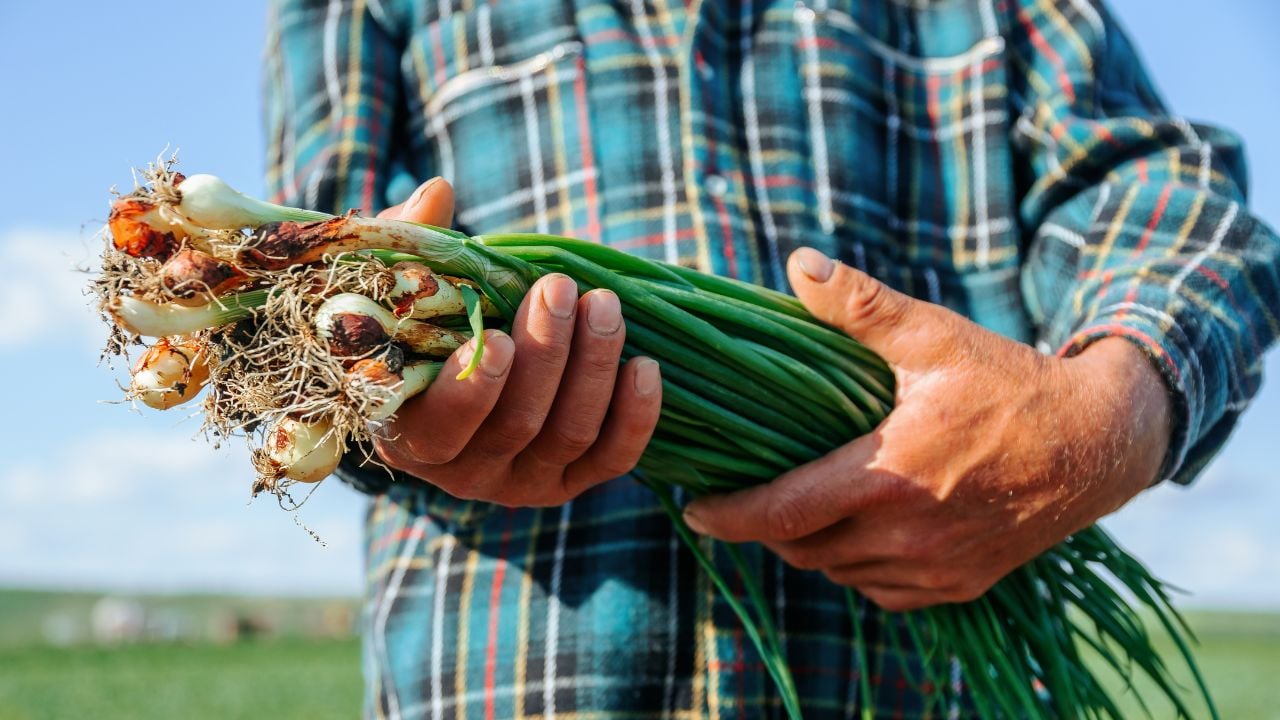
2. Vidalia Onions
Vidalia onions are a South Georgia crop.
Their mild sweetness largely results from the sandy soils and high rainfall of southeast Georgia.
Grow an onion outside the legal growing area and you can’t call it a Vidalia, however sweet it tastes.
If you grew up near those onion fields, you might hold other onions to a Vidalia’s standard, as many people do.
Where Vidalia Onions Can Grow
Vidalia onions can only be grown in a legal production area in South Georgia.
Georgia lawmakers set that area at 20 counties in 1986.
The boundary follows roads, rivers and county lines under the federal marketing order.
That order limits the name to hybrid yellow granex onions and similar varieties that the Vidalia Onion Committee recommends and the U.S. Department of Agriculture approves.
The committee has run the order since 1989.
3. Valdosta Football
Valdosta High School’s football program has 977 all-time wins through the 2025 season.
That’s more than any other high school in the country.
Many people who grew up near Valdosta spent Friday nights in the stands, and you might have been one of them.
Valdosta is a city in South Georgia, about twenty miles from the Florida border.
4. Moody Air Force Base
Moody Air Force Base is in South Georgia, about ten miles northeast of Valdosta.
Your family might not have served there, but you might know someone who did.
Moody is named for Maj.
George P. Moody, who died in a crash in 1941.
Valdosta residents were calling the airfield Moody Field before the name was made official in December 1941.
5. Watermelon Days
Watermelon Days, Cordele’s yearly festival, reached its 77th year in June 2026.
Its events include a seed spitting contest and a junior watermelon eating contest.
If you grew up near Cordele, you might have entered one of those contests, and many people did.
Cordele is the seat of Crisp County, in South Georgia.
The largest melon market in the state is in Cordele, which the New Georgia Encyclopedia calls the heart of the Georgia watermelon industry.
Watermelons brought in $220.6 million in 2024, the most of any vegetable in Georgia, out of the state’s $18 billion total.
6. Pecans
Growers planted thousands of acres of pecans in southwest Georgia between 1910 and 1925.
Your family might have had a pecan tree in the yard, and many people who did remember filling a bucket on a fall afternoon.
Georgia continues to be regarded as the top pecan-producing state in the country, according to the University of Georgia, with more than 170,000 acres planted.
7. Gopher Tortoises
The gopher tortoise is Georgia’s official state reptile.
It digs burrows as much as 45 feet long in the sandy soils of South Georgia.
If you rode back roads as a kid, you might remember stopping for a tortoise, as many people do.
More than 300 other species rely on those burrows, including the indigo snake.
In 2015, tortoise numbers were in steep decline, mostly because of the loss of their sandy habitat.
8. Swamp Gravy
Swamp Gravy is Georgia’s official state folklife play, and it’s staged in Colquitt, the seat of Miller County in South Georgia.
Its cast is made up of local residents.
Many people who grew up near Colquitt know someone who has been on that stage, and you might too.
The first version, Swamp Gravy Sketches, opened in fall 1992.
9. Carter Peanut Warehouse
Jimmy Carter returned home from the Navy to run the Carter Peanut Warehouse until 1961.
Earl Carter ran the business from 1934 until his death in 1953.
The site is in Plains, the southwest Georgia hometown of President Jimmy Carter.
If you grew up near Plains, you grew up near the place where a future president ran the family peanut business.
10. Valdosta State University
Valdosta State University opened in January 1913 as South Georgia State Normal College.
Its South Georgia service area stretches from the Atlantic Coast to Alabama.
If you grew up in the Valdosta area, you might have a parent, cousin or teacher who went there, as many people do.
The college became Valdosta State University in 1993.
11. Ashburn’s Big Peanut
Ashburn’s Big Peanut stands along I-75 in Turner County, in South Georgia.
The Georgia Peanut Commission sponsored the original monument in 1975.
Peanut production is chief among Ashburn’s ventures in agriculture and industry.
You might have a family photo with the Big Peanut, as many people do.
Hurricane Michael toppled the original monument in 2018.
Ashburn unveiled a replacement statue in 2023.
Psst! How much do you know about where you grew up? Take our quiz and see if you can ace it.
Quiz
Farm Country Pop Quiz
Answer these questions on swamps, crops and Friday nights. We bet you can’t get them all right. Prove us wrong?
The building in Plains that later held the original Carter Peanut Warehouse was built in 1903 and intended as what kind of building?
12. Wiregrass Georgia
Wiregrass Georgia is a region in the state's southernmost section, named for the wiregrass plant.
If you grew up in the area, you might still say you're from the Wiregrass, as many people do.
Longleaf pine, the area's other namesake, and wiregrass form an ecosystem in South Georgia.
People have called the area the pine barrens and the piney woods.
5 Georgia Boiled Peanut Rules Nobody Explains
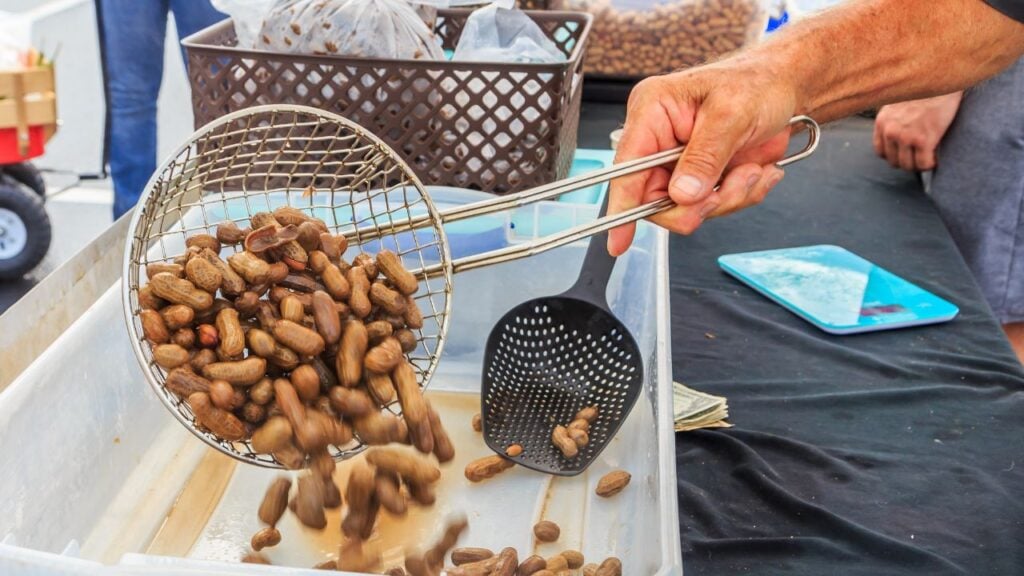
WALB calls Sylvester, Georgia the Peanut Capital of the World.
Many Georgians follow boiled peanut habits without ever explaining them to out-of-staters.
5 Georgia Boiled Peanut Rules Nobody Explains
7 Foundation Problems That Blindside Georgia Buyers
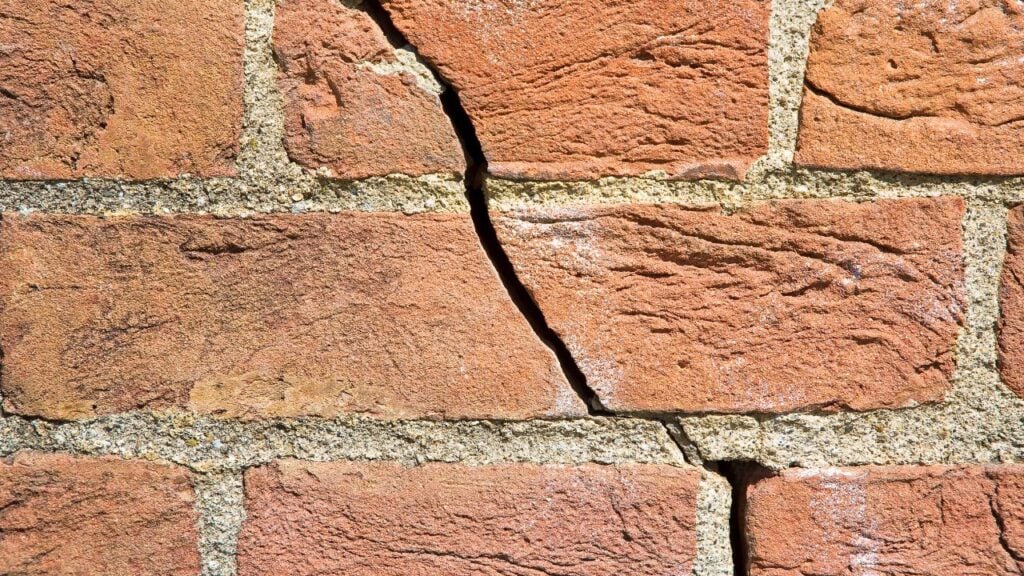
Georgia's red Piedmont clay gets its color from iron oxides left behind by long-term weathering, according to the New Georgia Encyclopedia.
Some houses rest on that clay for years before the trouble shows.
