
5 Georgia Boiled Peanut Rules Nobody Explains

Sylvester, Georgia bills itself as the Peanut Capital of the World.
The town backs it up every October 17, when the Georgia Peanut Festival parade turns into one of the biggest in the Southeast.
Boiled peanuts come with rules Georgians follow without ever explaining them to out-of-staters.
These are the Georgia boiled peanut rules nobody explains.
1. Priced by the Bag
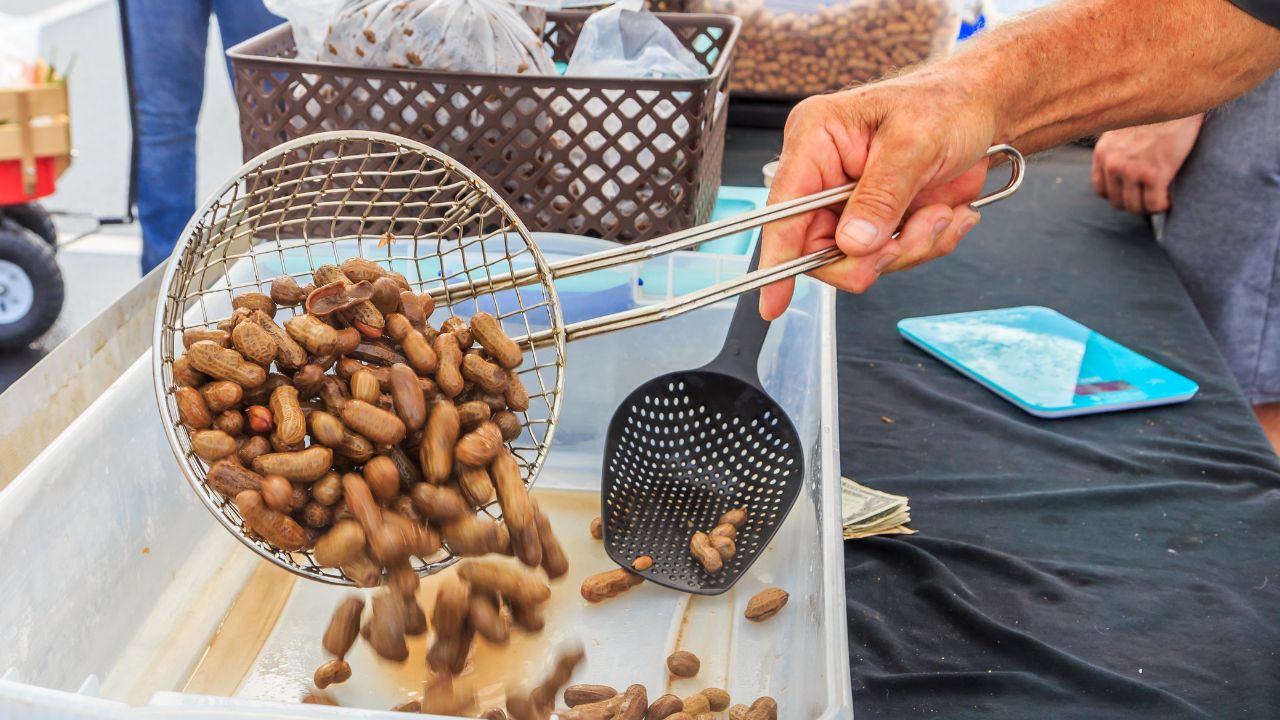
Stands price Georgia’s boiled peanuts by the bag, not the pound, and that trips up first-time buyers who expect a grocery-store scale.
No scale in sight.
At Hardy Farms’ roadside stands across Middle Georgia, a quart bag runs about $4 and a gallon bag runs about $12.
Ask for a size instead of a weight, and the person scooping your bag will know exactly what you mean.
Prices shift from stand to stand, so ask about the gallon price up front and skip the guesswork at the register.
Many stands still run on cash only, so keep a backup twenty in the glovebox.
Without one, you could end up driving right past the smell of a full pot.
2. Season With a Deadline
Boiled-peanut season runs on the green peanut harvest, not on a restaurant sign that never comes down.
That window opens around midsummer and runs into November, the Atlanta Journal-Constitution reported in 2025 on the state’s roadside stands.
After that, it’s a different peanut.
Buy a bag in February, and you’re almost certainly buying dried peanuts, rehydrated overnight and boiled far longer than a fresh-dug green one ever needs.
No exceptions.
Sylvester’s Georgia Peanut Festival caps the season each fall, with a parade the festival calls one of the region’s largest set for October 17 this year.
3. Wet, Not Crunchy
Boiled peanuts are supposed to come out wet, and one with any crunch left in the middle isn’t finished cooking.
Soft is correct.
The Atlanta Journal-Constitution’s 2025 visit to Georgia stands found customers wanting them soft and soggy enough that the nut slides loose from the hull with barely a squeeze.
Expect the snap of a roasted peanut, and you’ll assume a properly cooked batch sat in the pot too long.
It didn’t.
Psst! How much do you know about Georgia’s favorite roadside snack? Take our myth-or-fact challenge and see how many you can get right.
4. Biting, Not Shelling
Boiled peanuts don’t shell like a bag of roasted ones, and trying to crack a wet hull with your fingers usually just leaves you with mush.
Use your mouth instead.
The way it’s done at Georgia stands, one campus reporter found, is to open the shell with your mouth and work the peanut loose with your teeth.
The shell gives up its juice this way, and the flavor lives in that juice as much as in the nut.
Spit the hull out when you’re done with it.
Swallow a hull by accident and nothing happens — it’s just fibrous.
It passes through you the same as any other bit of roughage, no different than a sunflower seed shell.
5. Not a Shelf-Stable Snack
Boiled peanuts are a wet, cooked food, and they don’t sit in a pantry the way a can of dry-roasted peanuts does.
Treat them like leftovers.
Refrigerate a cooked batch in a sealed container, and you get about 10 days, per extension food-safety guidance.
Freeze what you don’t finish, and it keeps for months instead.
A bag left on the dashboard through a fall tailgate afternoon isn’t a snack anymore by the fourth quarter.
A cooler with ice works in a pinch for the ride home.
That’s especially true on a summer afternoon, when the car sits in a parking lot for hours before the bag ever reaches a fridge.
Raw Peanuts Run on a Faster Clock
The green peanuts Georgia stands sell for home boiling are dug fresh and still hold field moisture.
Left in a bag on the counter, they start to mold and sour within a day or two.
Refrigerate uncooked green peanuts right away, and boil them within a couple of days, or freeze them raw — your call.
The clock starts the moment they’re pulled from the ground, not whenever cooking finally crosses your mind.
Two Pots, Two Styles
Roadside stands typically keep two pots of boiled peanuts working at once, plain and Cajun-spiced, so the choice comes down to heat level, not availability.
Nobody has to pick blind.
Middle Georgia’s Hardy Farms sells a plain green-boiled peanut alongside a hot-and-spicy jumbo version in the same lineup, and independent stands along routes like U.S. 41 tend to mirror that split.
Neither pot is the wrong choice, and you can always order one of each to compare a slower afternoon against a tailgate crowd.
A cooler by the register usually holds the milder batch, while the spicy pot sits closer to the counter.
The smell alone does a lot of the selling before you even glance at a menu.
Ask which pot is which before you order, since a Cajun batch built on a heavy hand with the seasoning can catch a first-timer off guard.
8 North Georgia Mountain Trips Visitors Plan Wrong Every Fall
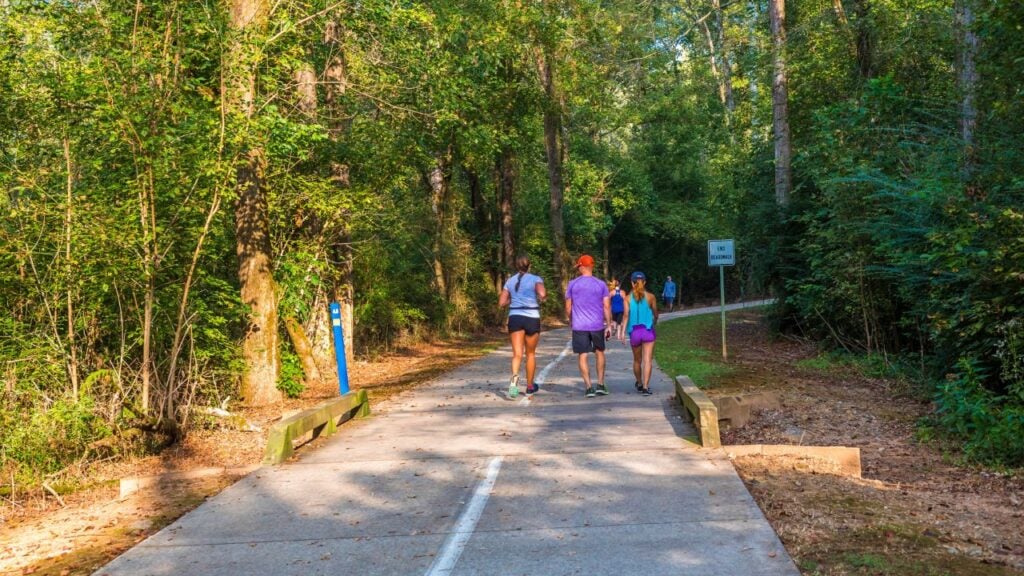
Every vehicle parked at a Georgia mountain park this fall needs a ParkPass, and that pass runs $10 a day or $70 for the year, per vehicle.
Half of north Georgia’s best fall stops sit inside the Chattahoochee National Forest instead, where that state park pass doesn’t apply at all.
8 North Georgia Mountain Trips Visitors Plan Wrong Every Fall
7 RaceTrac Perks Georgians Forfeit by Not Signing Up for Its Rewards Program
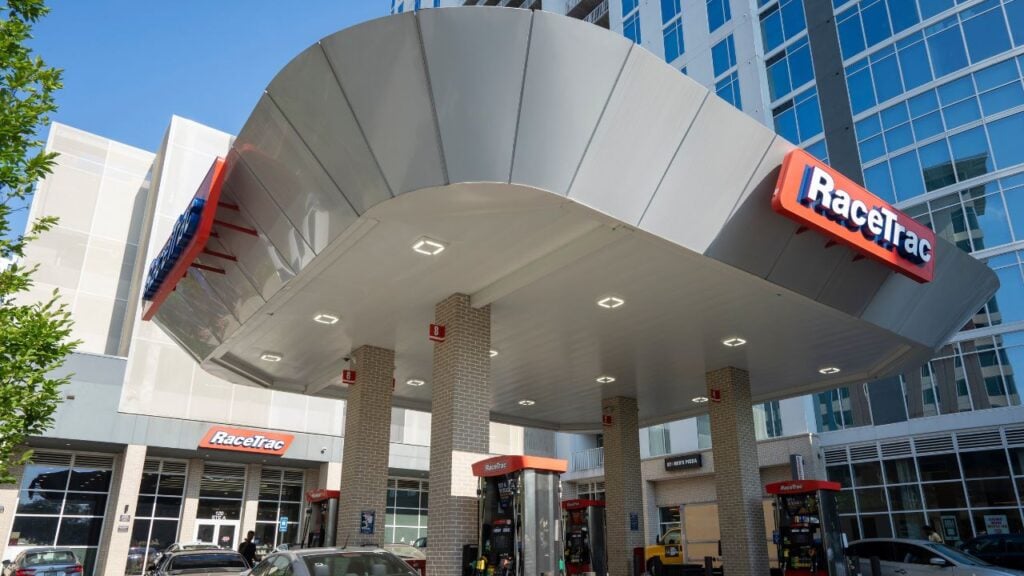
Georgia drivers paid $3.81 for a regular gallon of gas in late August 2026, 92 cents more than the same week a year earlier.
Many Georgians never download the RaceTrac Rewards app, and skipping it means missing several free perks built to soften that price at the pump.
7 RaceTrac Perks Georgians Forfeit by Not Signing Up for Its Rewards Program
