
13 Phrases Florida Grandparents Used in the Diner That Have All But Vanished

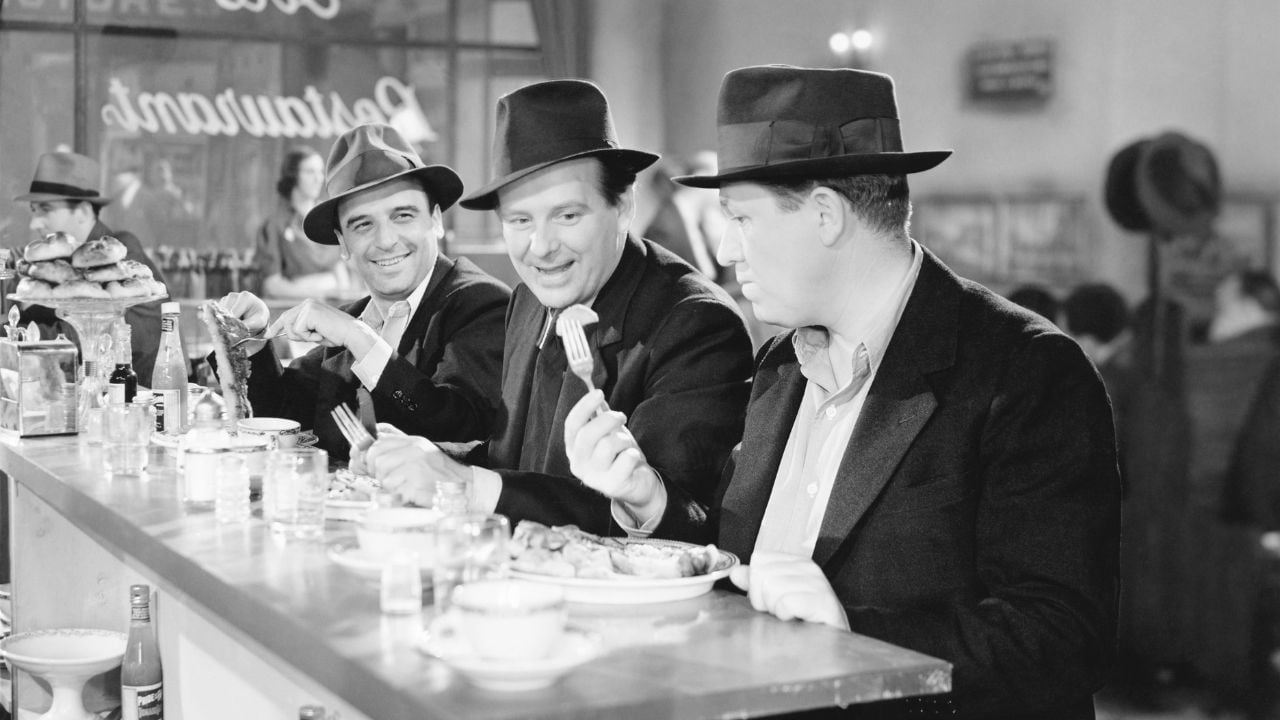
Ask any Floridian who came of age in mid-century America, and they’ll tell you the diner was the beating heart of the neighborhood.
It’s where you grabbed breakfast, caught up on gossip, and learned a whole language of food code.
Here are the diner phrases grandparents used that today’s generation has never even heard.
Adam and Eve on a Raft
Walk into a diner today and order “Adam and Eve on a raft,” and you’ll get a confused stare.
Your grandparents, though, knew exactly what was coming.
It meant two poached eggs on toast. The “Adam and Eve” stood for the pair of eggs, and the “raft” was the slice of toast holding them up.
If you wanted them scrambled, you’d add “and wreck ’em,” turning the whole thing into “Adam and Eve on a raft, and wreck ’em.”
It’s the kind of phrase that captures everything charming about the old lunch-counter language, a little playful, a little biblical, and totally baffling to anyone hearing it for the first time.
Burn One, Take It Through the Garden
This one sounds like a gardening instruction, but it was all about a hamburger.
“Burn one” meant put a burger on the grill, and “through the garden” meant load it up with lettuce, tomato, and all the fixings.
Your grandparents could order a fully dressed cheeseburger in five words while you’re still scrolling a touchscreen menu.
The phrase had cousins, too.
“Burn one, take it through the garden and pin a rose on it” meant add onion to the works.
It’s a small reminder of how much character American diners packed into the simple act of ordering lunch, long before combo meals had numbers.
Cup of Joe
Here’s one that’s hung on better than most, though even it’s fading.
“A cup of joe” meant a cup of coffee, the lifeblood of every American diner.
Nobody’s totally sure where “joe” came from. Some trace it to a Navy reference, others to “java” or “jamoke” getting shortened over time.
Either way, your grandparents wouldn’t dream of calling it anything else.
These days, you’re more likely to hear someone rattle off a complicated espresso order than ask for a plain cup of joe.
But the phrase still carries that warm, no-nonsense feeling of a diner mug refilled again and again by a waitress who knew your name.
Eighty-Six It
Of all the diner slang, “eighty-six” had real staying power, even making its way into restaurant kitchens nationwide.
It meant the kitchen was out of something, or to cancel an order entirely.
“We’re eighty-sixed on the meatloaf” told you the special was gone.
Over time, it grew to mean getting rid of anything, or even tossing a rowdy customer out the door.
Your grandparents used it without a second thought, and a few old-timers still do.
It’s one of the rare bits of counter slang that escaped the diner and went mainstream, though most folks using it today have no idea it started over a lunch counter.
Whiskey Down
Despite how it sounds, “whiskey down” had nothing to do with the bar.
It meant rye toast.
The “whiskey” was a nod to rye, since rye whiskey shared the grain, and “down” meant to drop it in the toaster.
So “whiskey down” got you a nice order of rye toast alongside your eggs.
It’s a perfect example of how diner lingo turned everyday food into something that sounded like a secret password.
Try ordering it today, and your server will probably think you’re asking for a drink at nine in the morning.
Wreck ‘Em
Short, punchy, and pure diner, “wreck ’em” meant scramble the eggs.
A cook hearing “wreck ’em” knew to scramble whatever eggs were on the order.
Your grandparents could combine it with all the other slang for a full sentence of diner code that the cook understood instantly.
It paired with everything. “Adam and Eve on a raft, wreck ’em” for scrambled on toast, and so on down the line.
The beauty was in the speed.
A skilled waitress and cook could fire an entire breakfast order back and forth in seconds, a kind of culinary shorthand that’s been lost to the printed ticket and the kitchen screen.
Two Cows, Make ‘Em Cry
A diner order for two hamburgers with onions came out as “two cows, make ’em cry.” The “cows” were the burgers, and the onions, which bring tears to your eyes, were the “cry.”
It’s the sort of vivid, funny shorthand that made the old diner counter feel alive.
Your grandparents heard this kind of thing shouted across the kitchen pass-through their whole lives and never thought twice about it.
Today, the phrase would draw blank looks at any counter in America, another casualty of a vanishing way of eating out.
Drag It Through Wisconsin
If your grandparents wanted extra cheese on something, the cook might hear “drag it through Wisconsin.”
The dairy-famous state stood in for cheese, naturally.
It’s one of those phrases that shows how regional pride and food humor blended together in the American diner.
A grilled cheese might get called for with this kind of colorful add-on, leaving the meaning crystal clear to anyone fluent in counter talk.
The phrase has all but evaporated now, but it’s a delightful peek at how playful and proudly American the old diner vocabulary really was.
A Spot With a Twist
When your grandmother asked for “a spot with a twist,” she wanted a cup of tea with a slice of lemon.
The “spot” referred to a spot of tea, borrowing from the old British phrasing, and the “twist” was the lemon.
It was a genteel little order in a world of burgers and coffee, the kind of thing said by a lady in a hat at the lunch counter.
You’d be hard-pressed to hear it anywhere today.
But it carries the charm of an era when even a simple cup of tea came wrapped in its own bit of poetry.
On Wheels
If your grandparents wanted their order to go, they’d ask for it “on wheels.”
It meant takeout, packed up to carry out the door, long before “to go” became the standard.
In an age before drive-thrus dominated the landscape, ordering something “on wheels” was the height of convenience.
The waitress would box it up and send you on your way, no app or curbside pickup required.
It’s funny how the concept never went anywhere, but the charming phrase for it sure did.
Sinkers and Suds
Breakfast didn’t get more classic than “sinkers and suds,” which meant donuts and coffee.
The “sinkers” were the donuts, named for how they sink into the coffee for dunking, and the “suds” were the coffee itself.
It’s the breakfast of cops on a beat and truckers at a roadside stop, a true slice of Americana.
Your grandparents might’ve grabbed sinkers and suds at the counter before a long day of work, standing elbow to elbow with neighbors.
The donut-and-coffee combo lives on, but hardly anyone calls it by this wonderful old name anymore.
Put a Hat on It
When your grandfather wanted ice cream on his pie, the order went out as “put a hat on it.”
The scoop of ice cream sat on top of the slice like a little hat.
À la mode never sounded so folksy.
It’s the kind of phrase that turned a sweet treat into something with a wink and a smile, the everyday magic of diner talk.
Order pie today, and you’ll have to spell out the ice cream the boring way, because this charming little request has nearly disappeared from American counters.
Hold the Hail
When your grandparents wanted a drink without ice, they’d say “hold the hail.”
The ice cubes, cold and clattering like hailstones, were the “hail.”
It fit right in with the weather-and-whimsy spirit of so much diner slang.
A cook or soda jerk would know to skip the ice and serve the drink straight.
Like so many of these phrases, the request itself never went away. We still ask for drinks without ice every day.
We just lost the wonderfully odd little way the greatest generation used to say it.
17 Common-Sense Rules Everyone Knew in the 1940s That No One Follows Today

Common sense wasn’t something you had to study in the 1940s. It was baked right into everyday life, like apple pie or ironing your best shirt for Sunday church.
These are some of those everyday rules everybody knew and too many people forget now.
17 Common-Sense Rules Everyone Knew in the 1940s That No One Follows Today
15 Timeless 1950s Favorites Baby Boomers Can’t Forget

For many people, the 1950s conjure images of poodle skirts and soda fountains. Whether you lived through this decade or you’ve only heard stories about it, here’s a trip down memory lane about this period of American culture.
15 Timeless 1950s Favorites American Baby Boomers Can’t Forget
