
13 Things Floridians Never Have to Explain to Each Other

Ask a Floridian why they keep checking the sky every summer afternoon, and they won’t slow down to explain.
Out-of-staters need the whole story.
The National Weather Service counted more lightning deaths in Florida than in any other state so far in 2026.
That’s one habit among many Floridians never have to explain to each other.
Note: This is general information, not legal or tax advice. Property tax rules and assessment limits are subject to change, so confirm the current details with your county property appraiser.
1. Gator Hotline
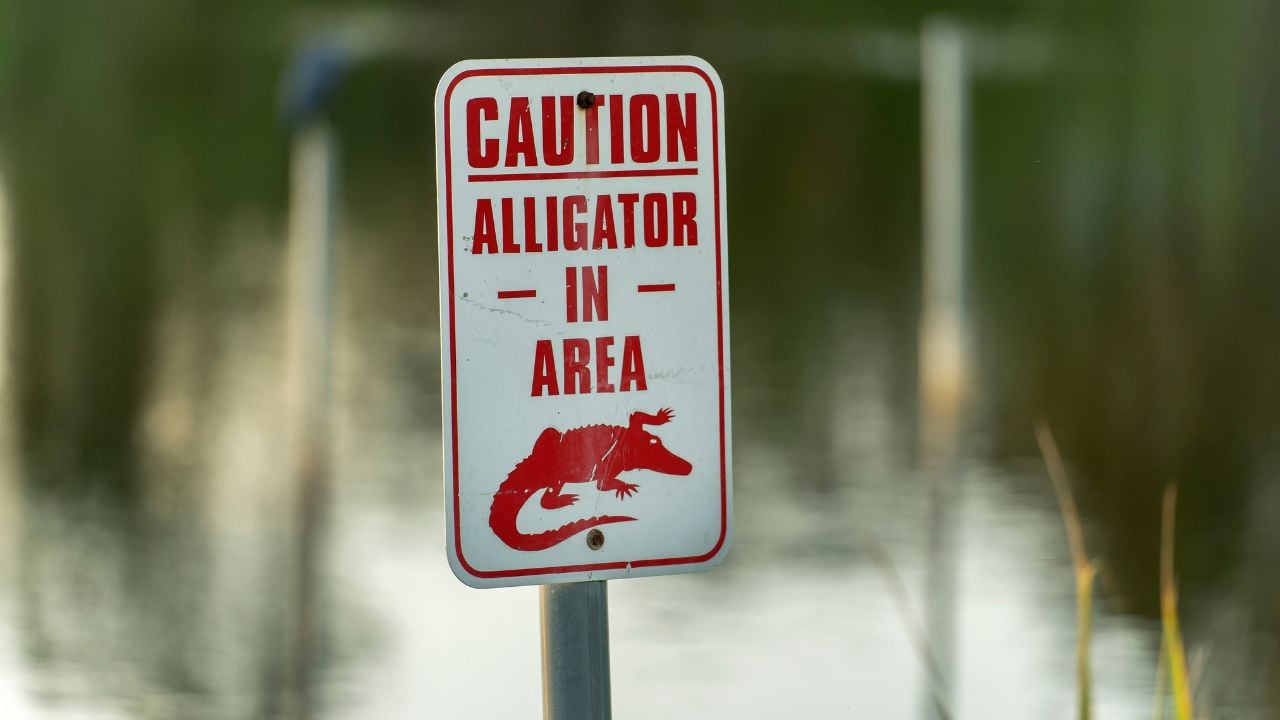
Nuisance alligators have a dedicated state hotline, and it isn’t 911.
The Florida Fish and Wildlife Conservation Commission (FWC) answers the Nuisance Alligator Hotline at 866-392-4286.
FWC generally treats an alligator as a nuisance once it is at least four feet long and the caller believes it threatens people, pets, or property.
A small gator sunning by the pond doesn’t clear that bar.
A transplant might dial 911 for a reptile in the yard.
Locals have the hotline saved.
2. Toll-By-Plate Billing
Cash disappeared from many toll roads years ago.
Drive one of the state’s cashless stretches without a SunPass transponder, and a camera photographs the license plate instead.
Florida’s Turnpike calls it Toll-By-Plate, and it mails the vehicle’s owner an invoice that tacks on a $2.50 administrative charge per invoice.
No booth.
No warning sign asking for exact change.
A Floridian renting a car for a week already checks whether the company covers those tolls.
A traveler usually finds out only when the bill arrives after the flight home.
3. Lovebug Season
Twice a year, swarms of lovebugs move through the state, and drivers plan around it without anyone explaining it.
The University of Florida’s Institute of Food and Agricultural Sciences (IFAS) documents the swarms hitting from April to May, then again from August to September.
The bugs themselves are harmless.
Their remains aren’t.
Left on an unwaxed hood or grille for a few days, their remains can damage the paint and finish.
Newcomers notice the damaged paint first and wonder why locals rinse the car off within a day or two out of pure habit.
4. Your Evacuation Letter
Ask anyone on the coast for their hurricane evacuation zone, and they’ll answer as fast as they would their street name.
Zone A usually goes first.
Florida’s Division of Emergency Management runs a Know Your Zone lookup tool, and county emergency managers order evacuations zone by zone as a storm’s track firms up.
Local officials don’t evacuate every zone for every storm.
A longtime Floridian can rattle off their letter without opening the map.
A first hurricane season usually starts with a panicked search for it once a storm enters the Gulf.
5. Florida Man Effect
The Florida Man headline owes a lot to how fast booking photos reach the public.
The state’s broad public records law makes booking reports available shortly after an arrest.
Florida’s First Amendment Foundation pointed in 2019 to that fast public access as one reason odd arrests in the state turn into national stories.
The phrase is catchy, too.
California and New York, by contrast, have put limits on releasing or posting booking photos.
A Floridian reads a wild local headline and shrugs.
6. Sunny-Day Flooding
Clear skies do nothing to stop streets from flooding, and nobody in South Florida blames the rain.
King tides push seawater up through storm drains and manholes every fall, with no passing storm involved.
The moon and sun lining up, warm fall water, and a more relaxed Gulf Stream all raise the tide.
The National Oceanic and Atmospheric Administration (NOAA) describes king tides as the highest high tides of the year, arriving predictably each fall.
Blue skies overhead.
Ankle-deep water at the intersection.
A Miami Beach resident checks a tide chart before parking downtown in October, while a tourist stands in the water hunting for the storm that caused it.
7. Same House, Different Tax Bill
Two neighbors in identical Florida houses can owe wildly different property tax bills.
The gap comes from a cap on how fast a homesteaded property’s taxable value is allowed to rise each year.
The rule is called Save Our Homes, and it limits the annual increase to 3% or that year’s inflation rate, whichever is lower.
The cap only starts counting from the year a homeowner first claims homestead.
That start date is everything.
A neighbor who bought decades ago pays taxes on an assessed value that fell far behind the market long ago.
A recent buyer next door, same square footage, pays taxes on a value that reflects today’s market.
A Floridian who has owned the same home for twenty years never has to justify the gap to a longtime neighbor.
The Math Behind Florida’s Tax Cap
Florida’s Save Our Homes cap works off the assessed value, not the sale price.
The gap between those two numbers is what shows up on the bill.
Take a home assessed at $300,000 the year its owner claims homestead.
Even if similar homes nearby sell for $340,000 the following year, that owner’s assessed value can rise no higher than $309,000, a 3% ceiling.
Sell the home, and the new buyer’s assessment resets to the current market value, wiping out the accumulated gap.
8. No-See-Ums After Dark
No-see-ums send many beachgoers packing right around dusk, and sunset has nothing to do with it.
These tiny biting midges breed in coastal marshes and mangroves, where they can reach huge numbers.
A University of Florida entomology publication confirms most biting midge species bite during dusk, night, or morning.
They’re barely visible.
An out-of-towner lingers for one more sunset photo and pays for it on the drive home, scratching a dozen bites nobody saw coming.
Locals had already folded up their beach chairs by then.
9. Skipping the Ag Station
Many drivers roll straight past the agricultural inspection stations at the state line without ever slowing down.
The Florida Department of Agriculture and Consumer Services runs the stations to keep out pests and diseases riding in on plants, produce, and livestock.
Private passenger cars and pickups that aren’t carrying agricultural products don’t have to stop.
A truck hauling nursery plants or a trailer full of citrus doesn’t get the same pass.
Neither does a rental truck.
A first-time mover driving a U-Haul full of houseplants finds out at the booth.
Longtime residents moving a load of landscaping plants already know to pull in.
10. CDD Line
A property tax bill in a newer Florida development often carries a second charge many owners can’t place at first: The CDD line.
A Community Development District (CDD) is authorized under Chapter 190 of Florida law.
It isn’t the homeowners association (HOA).
An HOA bills its members separately.
A CDD assessment often shows up as a line item on the county tax bill, paying for district roads, water and sewer lines, and other infrastructure.
Two bills, two collectors.
A buyer from out of state usually discovers the CDD-versus-HOA split while reading a closing disclosure line by line.
Anyone who grew up in a newer development already sorts that out without a second thought.
11. Manatee Slow Zones
Manatee-protection signs line rivers and canals wherever the animals tend to gather, and local boaters cut their speed on sight without needing to think about it.
The Florida Fish and Wildlife Conservation Commission and local governments set these manatee protection zones to cut down on boat strikes.
No wake.
No exceptions for being in a hurry.
A seasoned boater reads the water for a manatee’s telltale snout break before a sign even comes into view.
A visitor from out of state piloting a rented pontoon boat guns it through at full throttle until an FWC officer flags them down.
Psst! How much do you know about Florida beyond the headlines? Take our quiz and see if you can ace it.
Quiz
Florida IQ
Answer nine questions on Florida geography, history, and firsts. We bet you can’t get them all right. Prove us wrong?
Which city is Florida’s state capital?
12. Sonic Booms Overhead
When SpaceX brings a booster back to land at Cape Canaveral, the Space Coast can shake with a loud boom, and nobody within earshot reaches for the phone.
A returning booster travels faster than sound on the way down, setting off a sonic boom.
Many launches instead land on a droneship out at sea or don't attempt a landing at all, and neither shakes the coast the same way.
Windows rattle.
After a July 30 landing, residents as far inland as Orange and Seminole counties reported hearing it.
A resident near the coast glances at a launch schedule and keeps cooking dinner, while an out-of-town guest jolts off the couch certain something has exploded nearby.
13. Afternoon Storm
A fresh thunderstorm forms on many summer afternoons, and people time outdoor plans around it without ever checking a forecast.
Sea breezes off the Atlantic and the Gulf push warm, humid air inland almost daily through the summer.
That daily sea-breeze pattern fuels the state's afternoon storms, and the National Weather Service's count puts Florida ahead of every other state in lightning deaths so far in 2026.
Clouds stack up fast.
Youth football practices move indoors before the first rumble.
Pool days end early on a schedule nobody wrote down.
A Floridian plans the beach run, the yard work, and the grocery trip for the morning without ever saying why out loud.
A vacationer learns it the first time a sudden storm cancels a golf outing under a clear blue sky that turns black in twenty minutes.
9 Things Florida Parents Always Do When Their Adult Children Come Home

An adult child can move across the country for years and still turn back into a kid the moment they walk through a Floridian parent's front door.
Floridian parents slip back into an old rhythm almost without noticing, and their grown children clock every bit of it.
9 Things Florida Parents Always Do When Their Adult Children Come Home
8 Situations When a Storm-Downed Tree in Florida Becomes Your Neighbor's Problem, Not Yours
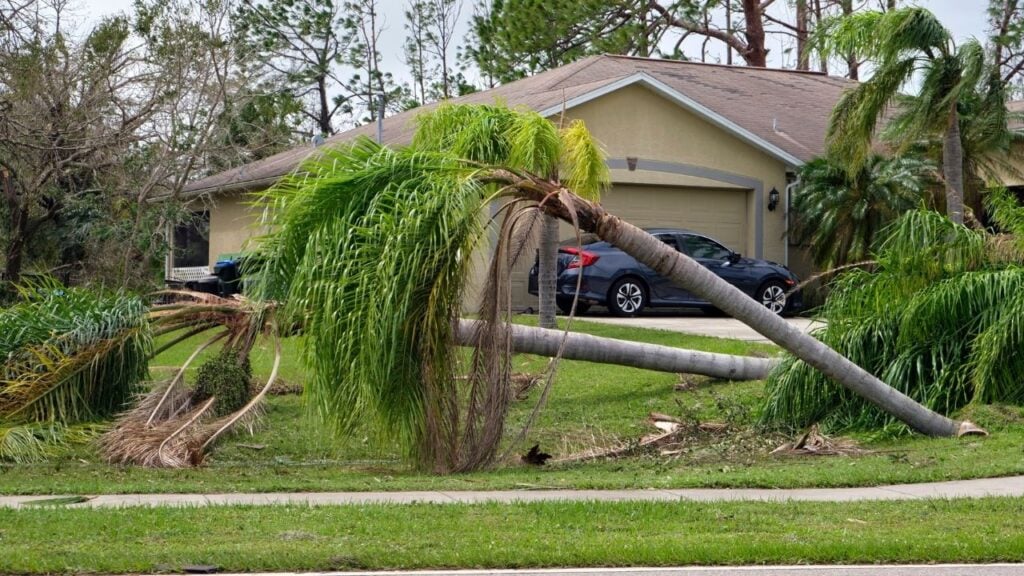
Hurricane season leaves more than wind damage behind in Florida, and a downed tree doesn't always land on the property owner stuck dealing with it.
Florida law draws some surprising lines about whose problem a fallen tree becomes, and homeowners often guess wrong.
8 Situations When a Storm-Downed Tree in Florida Becomes Your Neighbor's Problem, Not Yours
