14 Oddly Specific Sounds That Take Indiana’s Baby Boomers Right Back to Their Childhood

Many Indiana baby boomers remember a time when sounds filled the day differently.
The whoosh of a station wagon door, the clatter of roller skates on the sidewalk, or the soft hum of a box fan in a hot bedroom—each one tells a story.
These are the sounds that made childhood feel real. Are you old enough to remember them?
The Clatter of Metal Roller Skates on Sidewalks
Before inline skates and smooth plastic wheels, roller skating was loud, clunky, and incredibly fun. The sharp clatter of metal wheels hitting uneven pavement was a sound boomers heard almost daily during warmer months.
It meant freedom, play, and the occasional tumble.
Many kids had skates that buckled over sneakers and tightened with a key, which added to the charm.
The screechy sound of metal against cement, especially when turning a corner or racing a friend, is burned into the memory of anyone who skated their way through childhood in the 1950s or ’60s.
The Sharp Snap of a Tin Lunchbox Closing
Before insulated bags and cartoon character thermoses with built-in straws, there was the classic tin lunchbox. Its closing latch made a distinctive, tinny snap that signaled a kid was ready for the school day.
That sound often meant there was a sandwich wrapped in wax paper, a piece of fruit, and maybe a small bag of chips waiting inside.
Boomers still remember the feel of the handle, the weight of the box swinging by their side, and how it made a soft clinking noise with every step.
Opening and closing it wasn’t just about food. It was part of the morning routine, right up there with tying shoes and catching the bus.
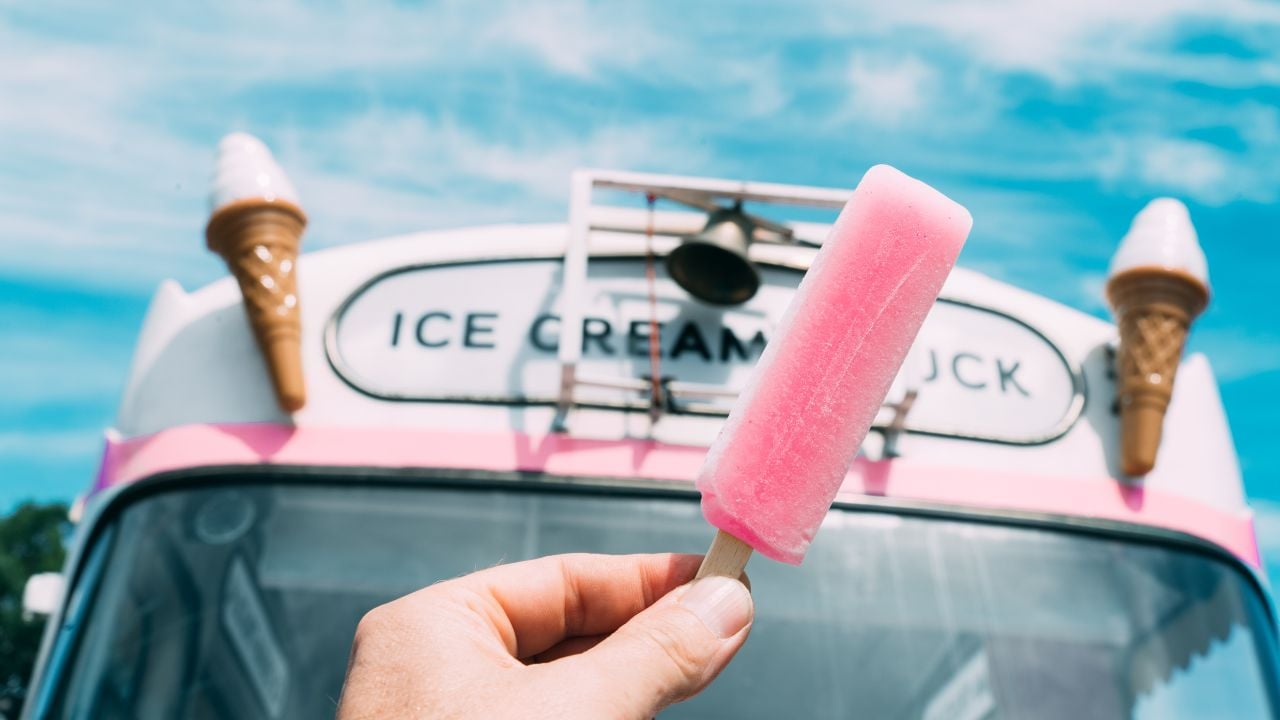
The Distant Jingle of the Ice Cream Truck
Before smartphones and food delivery apps, the sound of the ice cream truck drifting through the neighborhood meant everything.
That familiar jingle playing faintly down the street could instantly shift the energy on any block. Kids would freeze, listen closely, and then sprint inside, yelling for quarters.
Boomers remember how the sound echoed off sidewalks and fences, sometimes blending with barking dogs and shouting friends.
The music was usually the same year after year, and that consistency made it even more memorable. It wasn’t just a tune; it was the opening note to a treasured childhood ritual.
The Whir and Click of a Slide Projector
Before digital albums and cloud storage, families used slide projectors to share memories on the living room wall.
The soft mechanical whirring followed by the firm click of the next slide advancing became a familiar rhythm during birthdays, holidays, and post-vacation evenings.
Boomers remember sitting in the dark, watching slightly crooked images flicker onto the screen as someone narrated each moment.
The room would go quiet, except for the machine humming along in the corner.
It felt like an event, even when the pictures were blurry or out of order. That sound created a pause in everyday life and invited everyone to relive the past together.
The Hollow Echo of a Screen Door Slamming Shut
In many boomer households, the screen door wasn’t just an entrance; it was an alarm clock, an announcement, and a sound cue all in one.
That light, hollow bang followed by the spring’s bounce meant someone had just come inside or dashed out.
Kids running in from playing, parents calling them back with a shout, or cousins visiting on a summer afternoon all came with the familiar rhythm of that door.
The squeak, the slam, and the soft bounce of the frame made up a background track that played all day long in neighborhoods across the country.
The Ring of a Rotary Phone Mid-Conversation
There was a time when phones didn’t buzz, flash, or send emojis; they rang, and loudly.
The rotary phone had a strong, unmistakable tone that filled a room.
Whether it was in the kitchen or the hallway, that sudden ring often cut through the quiet of a lazy afternoon.
Boomers remember the sound of dialing just as clearly. Each number had its own cadence, and the slow return of the dial gave the whole process a sense of weight and patience.
The click of the receiver being picked up or hung up felt final, and phone calls meant full attention. Those sounds shaped social life before texting ever existed.
The Static of a Radio Searching for a Signal
Tuning a radio used to be an art. Whether it was an AM station playing baseball or an FM broadcast spinning the latest Beatles track, finding the right station meant carefully turning the dial through a mess of fuzzy noise and brief musical blips.
Boomers remember sitting close to the speaker, waiting for the signal to clear. Sometimes the antenna had to be adjusted or held just so.
That crackling static wasn’t annoying; it was part of the experience. It signaled something was coming, and the reward was often worth the wait.
The Click-Clack of Typewriter Keys
Before keyboards became silent and sleek, writing meant pressing down on heavy keys that responded with a satisfying clack.
Whether it was a school report or a letter to a pen pal, using a typewriter turned writing into a tactile, rhythmic event.
Boomers remember the ding at the end of each line and the quick pull of the return arm. The noise filled rooms in schools, homes, and offices.
Even if the page had to be retyped after one mistake, the sound of those keys was tied to progress, focus, and the joy of putting thoughts on paper.
The Flap-Flap of Playing Cards on Bicycle Spokes
Before video games and Bluetooth speakers, entertainment could be as simple as a deck of playing cards and a bike.
Boomers remember wedging cards between the spokes of their wheels, usually with clothespins, to mimic the sound of a motorcycle.
The faster they pedaled, the louder the flap-flap-flap echoed through the neighborhood.
It was a cheerful, homemade sound that turned an ordinary bike ride into something louder, cooler, and more exciting.
Every kid knew the trick, and every block seemed to have at least one card-flapping racer zooming by.
The Rustling Pages of a Sunday Newspaper
The newspaper used to be a central part of family mornings, especially on Sundays.
It arrived with a soft thud on the porch, and soon after, the quiet rustling of large pages being flipped filled the kitchen or living room.
Boomers remember their parents spreading it out over the table, circling grocery ads, or reading comics together on the floor.
The paper had weight and texture, and every section had its own sound.
Even the crinkle of folding it up felt familiar and comforting. That quiet soundtrack is hard to find today.
The Buzz and Click of a Channel Dial on a TV Set
Long before streaming, finding something to watch meant turning a big knob on a bulky television.
Each click of the dial moved the channel one step forward, often followed by a buzz, a flicker, or the snowy screen of a station that wasn’t coming in clearly.
Boomers remember flipping through the limited options and stopping when something good appeared, usually after waiting for the picture to stabilize.
The effort made watching feel like an event. That buzzing click wasn’t just a sound; it was part of the anticipation of what came next.
The Crunch of Gravel Under Kids’ Sneakers
Playgrounds, alleys, and long driveways were often covered in gravel, not mulch or rubber mats. The crunch of sneakers moving across tiny stones was a regular part of childhood afternoons.
It signaled freedom, recess, and the start of a neighborhood game.
Boomers remember the uneven feel underfoot, the way the sound changed when running fast, and the scuffed shoes that came with it.
It wasn’t a polished sound, but it was dependable and tied to places where fun and friendship happened.
The Sputtering Start of a Lawn Mower on a Saturday Morning
Weekend mornings in many boomer neighborhoods began with the puttering, coughing start of a gas-powered lawn mower.
That chugging engine sound drifting in through open windows was a sign that chores were happening, even if kids were still tucked in bed or finishing their cereal.
Boomers remember the routine of watching their dads pull the starter cord again and again until the mower finally roared to life.
That smell of cut grass mixed with engine fumes and the familiar hum of the mower circling the yard still brings back the feeling of summer.
The Dull Thunk of a Chalkboard Eraser Being Clapped Clean
Classrooms used to come with blackboards, chalk dust, and a pair of worn felt erasers that needed regular cleaning.
When the teacher handed that job to a student, the sound of clapping the erasers outside became a small break in the day and sometimes a reward.
Boomers remember the powdery clouds, the soft thud of felt against brick walls, and the way the dust clung to hands and clothes.
It was a calming, repetitive sound that marked the pause between lessons and gave kids a quick moment of fresh air.
What Decade Were You Really Meant For?
Whether you’re dreaming of bell-bottoms or soda fountains, our Decade DNA Quiz will match you with the decade that fits your personality. No work deadlines here, just a fun escape when you need it most.
Meet Your Match. Discover Your Decade DNA. (Your Vintage Roots Are Showing)

15 Once-Popular 1950s Baby Names Rarely Heard Today

Have you ever wondered what happened to some of the most popular baby names from the 1950s?
Travel down memory lane with us and reminisce about the classic names from the ’50s that you hardly hear anymore.
15 Once-Popular 1950s Baby Names Rarely Heard Today
18 All-American Traditions Every Baby Boomer Used to Have

From church on Sundays to dinner at the table every night, there was a rhythm to daily life for kids back in the ’50s and ’60s.
These are some of the boomer traditions that once defined what it meant to be American.
18 All-American Traditions Every Baby Boomer Used to Have