14 Things From the ’60s Few Nevadans Remember Anymore

Back in the 1960s, everyday life in Nevada looked a heck of a lot different from what it does now.
The stuff that filled homes, stores, schools, and gloveboxes across America has done a 180.
If you’re the kind of person who remembers what your mom kept in her sewing kit or how the milkman used to deliver, this list might stir up some serious memories.
And if you’ve never heard of these things? You’re in for a fun ride through forgotten American life.
Powdered Soap in Restroom Dispensers
Before liquid soap became the standard, many public restrooms had wall-mounted dispensers filled with powdered soap.
You’d crank a little knob, and gritty white powder would drop into your palm. Add water, and it turned into a paste-like foam.
It didn’t always feel great, and it left a bit of a mess around the sink. But it got the job done. This type of soap was especially common in schools, gas stations, and bus stations across America.
It’s not something people miss, but it’s definitely something they remember if they lived through it.
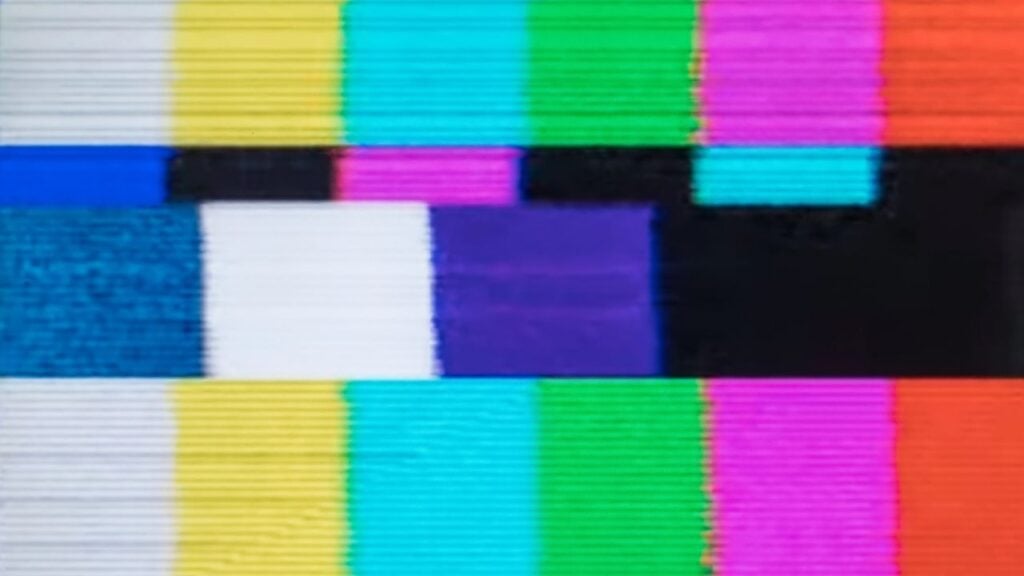
TV Test Patterns That Ended the Broadcast Day
Before television ran all night long, most stations would end their programming in the late evening.
When that happened, the screen didn’t just go blank. Instead, it displayed a test pattern.
These were usually black-and-white images with geometric shapes or color bars, often paired with a high-pitched tone.
Some stations played the national anthem before the pattern appeared. Others simply signed off with a message like “We’ll return at 6:00 AM.” For kids growing up in the ’60s, this was the signal that bedtime had officially arrived.
Today, it’s hard to imagine a world where TV just stopped. But back then, it was part of the routine.
Drive-In Bank Tubes That Sent Your Deposit Flying
Pulling into a bank didn’t always mean walking inside. Many banks in the 1960s had drive-in lanes with vacuum-powered tubes.
Customers placed their deposit slips and cash into a clear plastic cylinder, closed the lid, and watched it whoosh away through the pipe system to the teller inside.
A few moments later, the container came back with your receipt and maybe a pen or a lollipop if the teller was feeling generous. It felt futuristic at the time, and for kids in the backseat, it was endlessly entertaining.
While some banks still use them, they’re becoming rare. Mobile banking and ATMs have taken over.
Card Catalogs You Had to Flip Through by Hand
Finding a book in the library wasn’t always as easy as typing a title into a search bar. In the 1960s, libraries relied on card catalogs, with long drawers filled with index cards that listed every title alphabetically.
You had to know the author’s last name or the exact subject, then flip through the cards until you found the one you needed.
Each card had a call number that pointed you to the shelf location.
It was a slow process, but it taught people how to browse and explore. These wooden cabinets were once everywhere, but most have been replaced or tossed aside.
Cigarette Machines in Restaurants and Lobbies
In the 1960s, smoking was not only allowed in most public places, but it was expected. That’s why cigarette vending machines were such a common sight.
You’d insert coins, pull a lever, and a pack of cigarettes would drop down.
They were often found in diners, hotels, and even hospital lobbies. No ID check, no questions asked. Some machines even had small ads or decorative artwork to make them look stylish.
Once smoking restrictions took hold in later decades, these machines quickly disappeared. Today, they’re more likely to be seen in antique shops than in use.
Tin Ice Cube Trays With the Lever Handle
Before plastic trays and automatic ice makers, making ice was a bit more hands-on. Households in the 1960s often used aluminum trays with a metal lever.
You’d fill the tray with water, slide in the separator, and once frozen, pull the lever to crack the cubes free.
It required effort, and sometimes a bit of finger strength, but it worked. And the satisfying sound of the lever releasing the cubes was oddly memorable.
They were sturdy, loud, and not the most convenient. But for a long time, they were the only way to make ice at home.
Metal Roller Skate Keys Worn Around the Neck
If you had adjustable metal roller skates in the 1960s, you needed a skate key. This little tool tightened or loosened the clamps that attached the skates to your shoes.
Most kids wore their keys on a string around their necks, ready for action at a moment’s notice.
Losing your skate key meant game over for the day. It was as important as the skates themselves. Some keys even became lucky charms or part of a kid’s everyday outfit.
Once skates evolved into modern designs with built-in sizing, the keys became obsolete, but not forgotten.
School Filmstrips That Needed a Beep to Turn the Page
Before DVDs and streaming, classrooms in the 1960s used filmstrips for lessons. These were slides projected one at a time while a narrator spoke on a tape recorder.
When it was time to switch to the next slide, a loud beep would signal the teacher to turn the knob.
It was a slow and sometimes glitchy process, but kids loved the break from regular lessons. If the tape and slides got out of sync, the whole class could get confused or amused.
It was low-tech by today’s standards, but for many, it felt like a special event.
Plastic Furniture Covers That Stuck to Your Legs
Many families in the ’60s protected their couches and chairs with heavy plastic covers.
These were clear and often had a textured pattern. The goal was to keep furniture looking new, but the experience of sitting on them was far from comfortable.
On hot days, your legs would stick. The material creaked every time you moved. And somehow, the covers made the furniture feel more off-limits than inviting.
They’ve mostly disappeared, but anyone who ever visited a grandma’s house back then will remember that sticky feeling.
Floor Model Consoles That Combined TV and Radio
Entertainment centers in the 1960s were built into large wooden cabinets that sat right on the floor. These all-in-one units often included a television, AM/FM radio, and a record player.
They were the pride of the living room.
The design made everything feel more permanent. You didn’t just move your TV to another room. It had a place, and it stayed there.
These consoles were bulky, but they made media feel like a centerpiece of family life.
S&H Green Stamps You Saved for Rewards
Long before credit card points and digital coupons, stores gave out S&H Green Stamps. After each purchase, you got a few stamps to paste into a booklet.
Once the book was full, you could trade it in for items from a catalog.
Families would collect them together and daydream about what to get. Toasters, hairdryers, toys, and even furniture could be “bought” with enough stamps.
The process took time and patience, but it gave shopping a little extra excitement.
Penny Candy That Actually Cost a Penny
In the 1960s, a kid could walk into a corner store with a single coin and walk out with a small paper bag full of sweets.
There were licorice ropes, candy buttons on paper strips, wax lips, and jawbreakers, all for one cent each.
The candy was often displayed in big glass jars behind the counter. You’d point to what you wanted, and the shopkeeper would scoop it out.
It was a simple joy that today’s prices and packaging just can’t match.
TV Antennas You Had to Adjust by Hand
To get a clear picture on your television in the ’60s, you often had to fiddle with the rabbit ears.
These metal antennas sat on top of the set, and moving them even slightly could make the difference between a fuzzy screen and a watchable show.
Sometimes, someone had to stand in a certain spot or hold the antenna in place for the picture to come in. Aluminum foil was a popular add-on to help with reception.
It took effort and patience, but that moment when the screen finally cleared up felt like a small victory.
Coin-Operated Hair Dryers in the Beauty Parlor
In the 1960s, a trip to the beauty parlor was a weekly ritual for many women. Salons had rows of large dome-shaped hair dryers that looked like space helmets.
You’d sit under one, insert a few coins, and wait while the warm air set your hair in rollers.
These machines were loud and slow, but they were part of the social scene. Women caught up on gossip, read magazines, and relaxed while their hairstyles took shape.
You don’t see these in modern salons anymore, but they were once a sign of self-care and community.
What Decade Do You Belong In?
Some people are pure 1960s. Others are a little more 1940s in spirit or even secretly rocking a 1980s edge. Want to know which decade truly matches your personality?
Take our Decade DNA Quiz and find out whether you belong in a poodle skirt, bell-bottoms, disco shoes, parachute pants, or somewhere in between. It’s fast, fun, and oozing with nostalgia.
Meet Your Match. Discover Your Decade DNA. (Your Vintage Roots Are Showing)

20 Classic American Motels That Look Like They’re Straight Out of the ‘60s

Whether you’re into neon lights, kidney-shaped pools, or tiki flair, these classic American motels will transport you straight back to the swinging ‘60s, no time machine required.
Best of all? They’re still operating today.
20 Classic American Motels That Look Like They’re Straight Out of the ‘60s
18 Normal Things From the 1960s That Are Banned Today

The 1960s was a different world—one without warning labels or safety rails. Some things that seemed perfectly fine then would raise eyebrows or even get you arrested now.
18 Normal Things From the 1960s That Are Banned Today