
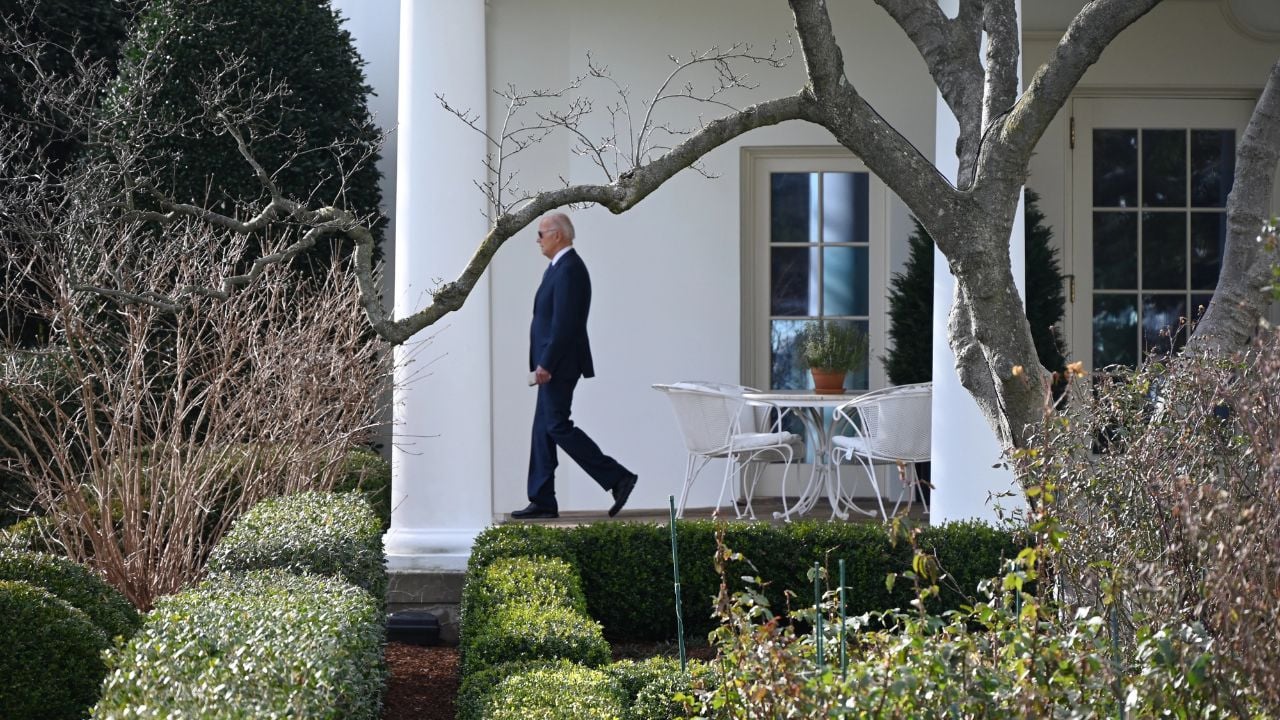
14 Things That Happen Inside the White House That Virginians Don’t Pay For

Michelle Obama once opened the monthly White House bill and discovered what she called a “$500 peach.”
That’s when she learned that the first family pays for more than the average American realizes.
The rent and staff at 1600 Pennsylvania Avenue are free, sure. But the personal costs of daily life land squarely on the president and their family.
Here are 14 things that happen inside the White House that Virginians and taxpayers across the country don’t pay for.
Groceries
The first family pays for every non-work-related bite they eat inside the White House.
The chefs are free, and the kitchen is world-class, but the ingredients get billed straight back to the president.
At the end of each month, the chief usher sends an itemized statement covering every personal meal, snack, and grocery run.
Michelle Obama spilled the secret on Jimmy Kimmel’s show, recalling how requesting some exotic fruit could mean opening the bill to find what she dubbed a “$500 peach.”
She started warning Barack not to express enthusiasm for anything until she knew the price.
She made peace with it, figuring that with rent and staff already covered, the family shouldn’t be “mooching off of the taxpayers” for their groceries.
Toothpaste, Toilet Paper, and Garbage Bags
The most relatable items on this list are the boring household basics every family buys.
Toothpaste, toilet paper, garbage bags, deodorant, all the unglamorous stuff that keeps a home running. None of it comes free at the White House.
Aides handle the actual shopping.
But the cost lands on the first family.
The system works like a running tab. The staff picks up the incidentals. At the month’s end, the bill arrives with everything itemized, expecting the family to square up.
So somewhere in Washington, the leader of the free world is paying for the same drugstore basics as everyone else.
The First Lady’s Wardrobe
Those elegant gowns and tailored looks the first lady wears? The family pays for every stitch.
There’s no clothing allowance for looking presidential.
When the first lady steps out in a designer dress for a public appearance, that outfit comes out of the family’s own budget.
It’s an expensive expectation.
The role demands a polished look at constant public events, and the bills add up fast over four or eight years.
The house may be free, but the wardrobe to live in it publicly is all on them.
Dry Cleaning the Designer Duds
Buying the clothes is only half the cost. Keeping them clean is another bill the first family handles personally.
The White House has its own laundry operation. But dry cleaning for personal wardrobe items isn’t part of the deal.
That means a specific Washington, D.C. dry cleaner is entrusted with the first family’s personal laundry.
Those designer suits and gowns need regular professional cleaning, and the tab comes back to the president.
As the saying goes, there’s plenty of dirty laundry in politics.
For a family attending events nearly every day, the cleaning bills alone could rival a small household’s entire clothing budget.
Hairstyling and Beauty Costs
Looking camera-ready every single day takes work, and the first family pays for that too.
Personal grooming, hairstyling, and beauty services come out of pocket.
Laura Bush, for example, hired her own hairstylist for daily blowouts, and the Bush family paid for it themselves.
There’s no government glam squad on the public payroll.
When the first lady or president needs to look sharp for a press conference or state event, the styling costs are personal.
It’s one more daily expense that comes with the territory of constant public visibility.
Gifts for Foreign Dignitaries
Here’s a presidential expense no normal family ever deals with.
When world leaders visit, the president is expected to present a gift, and personal ones can come out of pocket.
There’s even a special Diplomatic Gifts Unit within the Office of the Chief of Protocol that helps select the perfect item for each foreign leader.
While official diplomatic gifts are generally government-funded, gifts rooted in a personal relationship can fall to the president to cover.
So the commander-in-chief sometimes shops for a head of state the way you’d agonize over a present for a hard-to-buy-for relative.
The stakes are just a little higher when the recipient is a king or prime minister.
Private Parties and Birthdays
When the first family throws a personal celebration inside the White House, the party is on their dime.
Birthday bashes, anniversaries, and private gatherings all come with personal costs.
The president pays the hourly wages for the waiters, servers, and cleanup crews working the event, since taxpayers only cover official functions.
When President Obama hosted Michelle’s 50th birthday party, he personally paid for the food, beverages, serving staff, and the setup and cleanup crews.
The expense is steep enough that it can deter some presidents from hosting private events in their own government residence.
Redecorating Beyond the Stipend
Every new first family wants to make the residence feel like home. But there’s a spending cap, and they cover anything past it.
The government provides a $100,000 stipend for redecorating when a family moves in.
New drapes, artwork, a different couch, fresh paint, all fine, until the bill exceeds that allowance.
After that, the family pays the difference.
And that limit gets blown through regularly. Trump reportedly spent around $1.75 million redecorating after moving in, far beyond the government’s contribution.
The historic look of the White House comes free. Making it your own gets expensive fast.
Vacation Lodging and Meals
When the first family takes a private getaway, the vacation isn’t entirely free.
The president pays for the hotel or rental house where the family stays, plus their food and incidentals during the trip.
Security is covered, but the personal vacation costs aren’t.
There’s one notable exception: Camp David, the presidential retreat in Maryland, doesn’t cost them.
So a beach week or a ski trip lands on the president’s personal account, the same as any family planning a getaway.
Personal Travel Reimbursements
Air Force One is free for official business. But personal trips are a different story.
When the president flies for political or personal reasons rather than official duties, the family has to reimburse some or all of the cost, calculated at the rate of a commercial airline ticket.
It’s a tricky line to walk.
As one expert put it, there’s a very fine line between official business and personal use, and nobody wants the president flying commercial given the security risks.
So the plane stays the same, but the accounting shifts the moment the trip turns personal.
Their Children’s Education
Raising a family in the White House includes one of the biggest expenses any parent knows: school.
The first family pays for their children’s education out of pocket. When the kids attend private school in the D.C. area, as many first children have, those tuition bills are a personal cost.
There’s no taxpayer-funded scholarship for being a presidential kid.
The family handles tuition like any other household choosing a school.
For young first families, it’s a significant line item alongside all the other personal costs of the job.
Personal Legal Fees
Legal trouble doesn’t come with a government lawyer for personal matters, and the bills can be staggering.
Presidents cover their own legal fees for personal cases.
The most famous example is Bill and Hillary Clinton, who reportedly left the White House deep in debt, partly due to the steep legal costs tied to the investigations during his presidency.
When the matter is personal rather than official, the president hires and pays for the representation.
It’s a reminder that the office offers no shield from the ordinary, and sometimes extraordinary, costs of legal defense.
Upkeep of Their Personal Homes
The White House isn’t the only property a president owns, and the others don’t maintain themselves.
While living in the White House, presidents still pay for the upkeep of their personal residences back home.
Mortgages, maintenance, property taxes, and repairs on the family’s private houses continue right along, even while nobody’s living in them full-time.
So a president can be running the country from a free mansion while still cutting checks for the lawn service and roof repairs on the house they left behind.
The presidency pauses a lot of things, but the bills on your own property aren’t one of them.
Medical Care After Leaving Office
The free, around-the-clock medical team is a perk of the job, but it doesn’t follow a president into retirement for free.
After leaving office, a former president can still see military doctors for medical care, but now they have to pay for those expenses.
The on-call White House physician was a benefit of the office, not a lifetime gift.
It’s a quiet shift that can catch the first family off guard.
One day, medical care is steps down the hall and covered, the next it’s a personal expense like everyone else’s.
The presidency’s perks have an expiration date, and healthcare is one of the first to lapse.
13 Government Benefits You May Qualify for Without Knowing
Federal and state benefit programs are notoriously bad at promoting what they offer.
These are the government benefits that many Americans qualify for without even realizing it.
13 Government Benefits You May Qualify for Without Knowing
12 Things Secret Service Agents Do That Aren’t What You Think

The real job of a Secret Service agent is way more complicated than the movies let on, and a lot of what agents actually do has nothing to do with jumping in front of bullets.
12 Things Secret Service Agents Do That Aren’t What You Think
