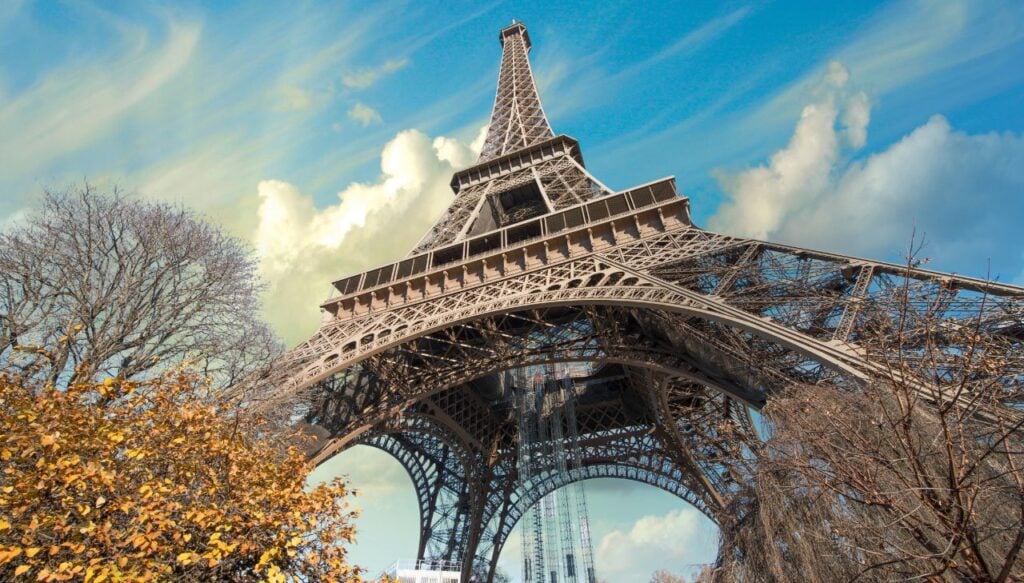
15 Cities With Names So Misleading They’ve Fooled Many New York Travelers

Some destination names sound so intriguing that travelers can’t help but imagine what awaits them. Picture a tropical escape, a historic landmark, or a glamorous city.
But for the occasional New York traveler, those expectations disappear the moment they arrive.
These are some misleading city names that have caused travelers serious disappointment when they see the real thing.
Cairo, Illinois Lacks the Ancient Pyramids
When a map points you toward Cairo, Illinois, it’s easy to imagine desert heat, camel rides, and towering pyramids.
What you’ll actually find is a small, historic river town at the confluence of the Ohio and Mississippi Rivers.
Over time, the town became a hub for trade but never developed the grandeur of its namesake.
Today, Cairo offers a look at 19th-century architecture and a slower way of life.
Rome, New York Won’t Give You Ancient Ruins
Hearing “Rome” might make you dream of centuries-old temples, piazzas, and gelato under the Italian sun.
But Rome, New York offers a much different view, surrounded by rolling hills and the Mohawk River.
Founded in the late 1700s, it was named after the Italian capital during a time when classical names were in fashion.
The streets here are lined with small-town charm rather than grand columns and marble statues.
It’s a pleasant stop, but it’s more about upstate New York heritage than the Roman Empire.
Paris, Texas Is Not the French Getaway You’re Expecting
Hearing “Paris” might make you picture cobblestone streets, sidewalk cafés, and the Eiffel Tower gleaming at night.
In Paris, Texas, you will find an Eiffel Tower, but it’s only 65 feet tall and topped with a bright red cowboy hat.
Instead of croissants and haute couture, this small city offers Southern charm, barbecue joints, and a laid-back pace.
Visitors who arrive expecting a slice of France are quickly reminded they’re deep in the Lone Star State.
Athens, Georgia Won’t Transport You to Ancient Greece
When people hear “Athens,” visions of the Parthenon and olive groves often spring to mind.
Athens, Georgia, is home to a vibrant music scene, Southern cooking, and a lively college campus, but no ancient ruins.
The city earned its name in the early 1800s as a nod to classical learning and culture.
Visitors may be surprised, but they often leave charmed by the art galleries, live music, and warm hospitality.
It’s a place where the name sets one expectation and the experience delivers something entirely different.
Bethlehem, Pennsylvania Is Not Exactly Biblical
When you hear “Bethlehem,” you might think of the biblical town where the Christmas story begins.
In Bethlehem, Pennsylvania, you will find plenty of holiday spirit, but it comes with a backdrop of steel mills and colonial history.
The name was chosen by Moravian settlers in the 1700s as a nod to their faith.
Over time, the city grew into a manufacturing hub before transitioning into a center for arts and culture.
It is a charming destination, but it is a far cry from the deserts of the Middle East.
Venice, California Does Not Have Italian Canals
The name “Venice” might conjure images of gondoliers and ornate bridges stretching over ancient waterways.
Venice, California, does have canals, but they were built in the early 1900s as part of a real estate project.
These waterways are much smaller and are lined with beach cottages rather than Renaissance palaces.
The area is best known for its bustling boardwalk, street performers, and surf culture.
The charm is real, but it has a distinctly California twist.
Dublin, Ohio Is Not Ireland’s Capital
For many travelers, “Dublin” means rolling green hills, historic pubs, and centuries-old castles.
Dublin, Ohio, is a suburban city with manicured neighborhoods and plenty of modern conveniences.
It was named in the early 1800s by an Irish surveyor who thought the area reminded him of home.
While the resemblance may be a stretch, the city has embraced its Irish branding with festivals and themed events.
The streets may not be lined with medieval stonework, but the sense of community is strong.
Moscow, Idaho Is Not a Russian Capital
When people hear “Moscow,” they might picture Red Square, the Kremlin, and onion-domed churches.
Moscow, Idaho, offers a much different scene, with college-town energy and the rolling hills of the Palouse region.
The name’s origin is debated, but it has nothing to do with Russian history or politics. Instead, it grew as a farming and educational center, now home to the University of Idaho.
Visitors come for the lively farmers markets, scenic drives, and cultural events.
It is a far more relaxed and approachable place than its famous namesake.
London, Kentucky Is Not the UK’s Capital
When you hear “London,” visions of Big Ben, double-decker buses, and the River Thames often come to mind.
London, Kentucky, is a small Appalachian town known more for its outdoor recreation than royal history.
The name was likely chosen to evoke a sense of sophistication in the 1800s.
Today, it is best known for hosting the World Chicken Festival, which celebrates the legacy of Colonel Sanders.
Instead of bustling city streets, visitors will find hiking trails, fishing spots, and a welcoming small-town atmosphere.
Berlin, Connecticut Will Not Transport You to Germany
“Berlin” might make you picture cobblestone streets, beer gardens, and centuries of European history.
In Berlin, Connecticut, you will find a suburban community with a strong local spirit instead.
The name came from early settlers who admired the German city, but the culture here has its own New England flavor.
The town is dotted with historic buildings, small shops, and leafy neighborhoods.
While it may not offer European grandeur, it does deliver a comfortable and authentic hometown feel.
Naples, Florida Does Not Sit on the Mediterranean
Hearing “Naples” might spark thoughts of coastal Italy, Roman ruins, and the birthplace of pizza.
Naples, Florida, offers sun-soaked beaches, golf courses, and upscale shopping instead.
Founded in the late 1800s, it was marketed as a luxurious retreat and named after the Italian city to draw visitors.
The tropical setting and white sand beaches certainly have their own appeal.
Visitors who expect a European escape will instead find a relaxed, oceanfront resort town.
Salem, Oregon Is Not the Witch Trial Town
When people hear “Salem,” they often think of Massachusetts and its infamous witch trials.
Salem, Oregon, has no direct connection to that chapter of history.
Founded in the mid-1800s, the city’s name comes from a biblical word meaning “peace.”
It grew into the state capital, surrounded by fertile farmland and scenic landscapes.
While it lacks the spooky reputation of its namesake, it offers plenty of its own charm.
Lebanon, Kansas Is Not in the Middle East
When people hear “Lebanon,” they might imagine the Mediterranean coastline, cedar forests, and bustling markets.
Lebanon, Kansas, is a quiet farming town located in the geographic center of the continental United States.
The name came from early settlers who admired the biblical references associated with Lebanon.
Instead of ancient ruins or sea views, visitors find open fields, grain silos, and a close-knit community.
It is peaceful and welcoming, but very different from what most travelers expect.
Manchester, New Hampshire Is Not an Industrial British City
The name “Manchester” often brings to mind England’s textile history, music scene, and football clubs.
Manchester, New Hampshire, is a thriving New England city with its own industrial past.
In the 19th century, it became a hub for textile manufacturing and was named after its British counterpart to reflect that ambition.
Today, it blends historic mill buildings with modern businesses and cultural attractions.
It offers a unique mix of history and recreation, even if it is far from the UK.
Florence, South Carolina Is Not the Italian Art Capital
Hearing “Florence” might make you think of Renaissance art, wine country, and the Arno River.
Florence, South Carolina, is a transportation hub in the Pee Dee region with a much different personality.
Named in the mid-1800s, the city grew around the railroad industry rather than medieval architecture.
It is now known for its gardens, museums, and Southern hospitality.
While it may not have Michelangelo’s works, it offers plenty of its own cultural treasures.
20 Classic American Motels That Look Like They’re Straight Out of the ‘60s

Whether you’re into neon lights, kidney-shaped pools, or tiki flair, these classic American motels will transport you straight back to the swinging ‘60s, no time machine required.
Best of all? They’re still operating today.
20 Classic American Motels That Look Like They’re Straight Out of the ‘60s
12 Classic 1950s Vacation Spots That Don’t Feel the Same Today

Ask an older American about their favorite ’50s childhood vacation, and you’ll likely hear about a long car ride, a roadside motel, and a few unforgettable stops along the way.
Today, many of those same spots are still around, but they don’t feel quite the same.
12 Classic 1950s Vacation Spots That Don’t Feel the Same Today in the Eyes of Older Americans
What Decade Were You Really Meant For?
Whether you’re dreaming of bell-bottoms or soda fountains, our Decade DNA Quiz will match you with the decade that fits your personality. No work deadlines here, just a fun escape when you need it most.
Meet Your Match. Discover Your Decade DNA. (Your Vintage Roots Are Showing)