15 Florida Tourist Traps Visitors Fall For Every Time

Anyone who’s road-tripped through Florida has seen the giant roadside attractions that promise a “can’t miss experience.”
From alligator farms to souvenir shops with sky-high prices, businesses are eager to pull in travelers.
Some aren’t worth the stop, but curiosity-piqued tourists still go anyway.
Timeshare Presentations
Florida is packed with timeshare resorts, and many lure tourists with promises of free meals or discounted tickets.
The catch is sitting through a long sales pitch that’s designed to wear people down.
What starts as a “quick presentation” can stretch for hours. Salespeople use high-pressure tactics, making it tough to say no.
The deal usually sounds too good to pass up, but the costs add up quickly. Maintenance fees and limited flexibility leave buyers stuck.
Plenty of people regret the decision once they’re home. The free perks rarely make up for the financial headache that follows.
Overpriced Souvenir Shops
Tourist towns are full of gift shops ready to cash in. In Florida, beach strips are lined with seashell jewelry, T-shirts, and keychains that look special in the moment but are usually mass-produced overseas.
Shoppers walk in hoping for a unique keepsake. Instead, they leave with items they could find online for a fraction of the cost.
These shops thrive on impulse buys. Bright displays and catchy slogans draw people in, and the convenience keeps them from walking away.
Once the trip is over, most of those souvenirs lose their charm. They end up in a drawer, a reminder of falling for the trap.
Theme Park Food Markups
Florida’s famous parks know how to make money off meals.
A simple burger or soda costs two or three times more than anywhere else. Families quickly realize food can be the most expensive part of the day.
Visitors pay because it’s easier than leaving the park. Hunger wins out over common sense, and by the time the bill adds up, it’s too late to backtrack.
Some avoid it by packing snacks, but most give in. For many, the splurge feels like part of the experience, even if it stings later.
Tourist Attraction Photos
At many Florida attractions, photographers snap pictures at the entrance or scenic spots. Later, families are offered prints in cardboard frames that cost far more than expected.
Prices climb fast. A single picture might be twenty dollars, and bundles with keychains or digital copies can push the total even higher.
Parents often give in because kids want the keepsake. Saying no feels like spoiling the fun, even when the photo isn’t worth the price.
The truth is, a smartphone shot could capture the same memory. The trap is convincing people that their day isn’t complete without buying the “official” version.
Rip-Off Parking Lots
In tourist-heavy cities like Orlando or Miami, private parking lots charge sky-high rates.
Signs make them look official, but often they’re no safer than a cheaper garage a block away.
Tourists pay because they’re in a hurry and don’t want to risk a ticket. Convenience wins, even when the price doesn’t make sense.
A little planning could save big, but when you’re unfamiliar with an area, it’s easy to fall into this trap.
Alligator Farms and Roadside Zoos
Florida is famous for its alligators, and roadside zoos take full advantage. Billboards promise up-close encounters, and families pull over out of curiosity.
The problem is that many of these places are overpriced and offer little beyond a few pens of animals. Some aren’t even well-kept, leaving visitors disappointed.
Tourists pay anyway because they want the “Florida experience.” Kids especially love the idea of feeding or holding an alligator.
A few spots are worth it, but many are tourist traps in disguise. They rely on the novelty more than the actual attraction.
Scenic Boat Tours With Little To See
In Florida’s coastal towns, signs for boat tours are everywhere. They promise dolphins, manatees, and sweeping ocean views. The reality is often a long ride with very little wildlife.
Operators know tourists will pay just for the chance, even if sightings are rare. Families get caught up in the excitement and hand over money before asking questions.
Most tours are harmless, but they’re rarely worth the steep price. Seeing one dolphin fin in the distance doesn’t feel like the magical experience you pictured.
Travelers often realize later that they could have enjoyed similar views for free from a pier or beach.
Tourist Restaurants on Main Streets
Every city has them: restaurants in the busiest parts of town with flashy menus and big crowds. In Florida hotspots like Key West or Orlando, these places thrive.
The food is usually average, but the prices are anything but. Tourists pay for location, not quality. Locals often avoid them altogether.
Servers work fast to turn tables, and dishes are designed to look appealing but lack substance. Visitors leave full, but not impressed.
The trap works because it feels safe and convenient. Hungry travelers rarely venture a few blocks away for a better meal.
Wax Museums and Oddity Attractions
Many tourist hubs have wax museums or quirky “believe it or not” exhibits. Florida beach towns love these, and families often stop in for the novelty.
The displays are hit or miss, and the entry fees are steep for what amounts to a short walk-through. Once inside, there’s not much to keep you entertained.
Tourists keep paying because the attractions are advertised as must-see stops. Bright signs and promises of fun make them hard to ignore.
Most visitors walk out with a few photos, but also the feeling that they overpaid for something forgettable.
Street Performers Asking for Tips
In Florida’s tourist zones, street performers draw crowds with music, costumes, or stunts. The act feels fun and spontaneous, but there’s usually pressure to pay up at the end.
Many tourists drop bills without realizing how quickly it adds up. Performers know families don’t want to look stingy in front of kids.
The trap isn’t the entertainment itself, but the expectation. What feels like a free show quickly turns into an expensive stop.
It’s easy to get caught up, but most travelers don’t plan for these small, steady expenses.
Fake Discount Ticket Stands
Near big attractions, you’ll spot booths offering “discount tickets.” In Florida, they’re everywhere around Orlando. The deals look too good to be true, and often are.
Some stands push outdated passes, while others rope tourists into timeshare pitches. What starts as a cheap deal turns into a hassle.
Visitors buy because they want to save money, not realizing official channels are usually safer and just as affordable.
It’s a classic trap: promising big savings while quietly taking advantage of travelers who don’t know better.
Aquarium And Zoo Souvenir Photos
Many aquariums and zoos in Florida snap a photo as soon as you walk in. Families pose with a backdrop, only to find the pictures cost a small fortune on the way out.
The prints look polished, but the price is rarely worth it. Packages often include magnets, mugs, or extras that nobody asked for.
Kids get excited, and parents feel pressured to buy. Saying no can feel like spoiling the fun.
Tourists often cave, only to realize later that their own phone photos were just as good.
Highway Tourist Stops
Long drives through Florida are dotted with giant billboards for quirky roadside attractions. They promise fun for the whole family but often deliver little more than a gift shop and a short walk-through.
Tourists pull over out of curiosity, thinking it will break up the drive. Instead, they spend more than expected on snacks and trinkets.
These stops thrive on impulse. Once you’ve seen ten signs in a row, it feels impossible not to check it out.
Most travelers leave wishing they had just kept driving toward their real destination.
Airboat Rides That All Look Alike
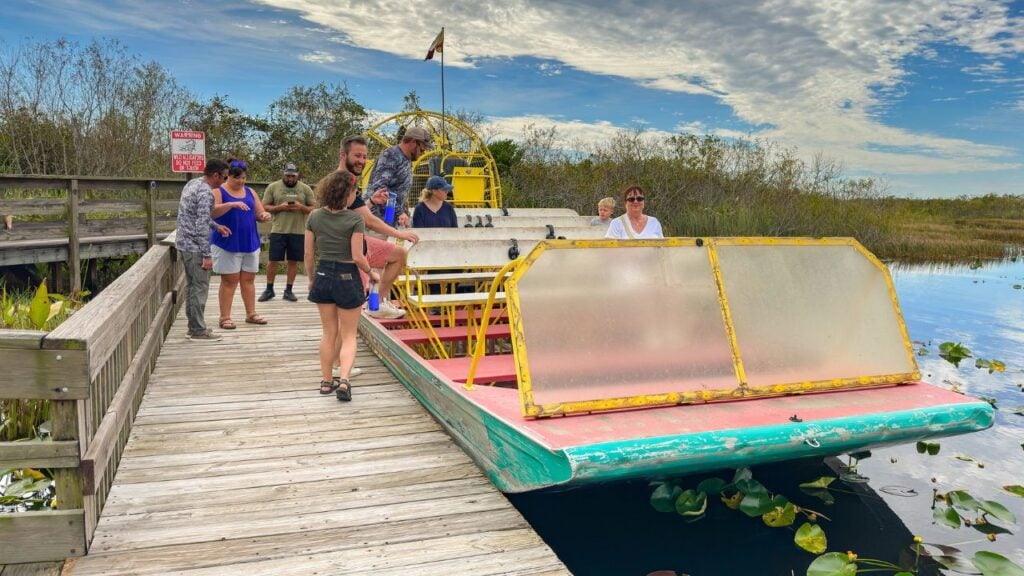
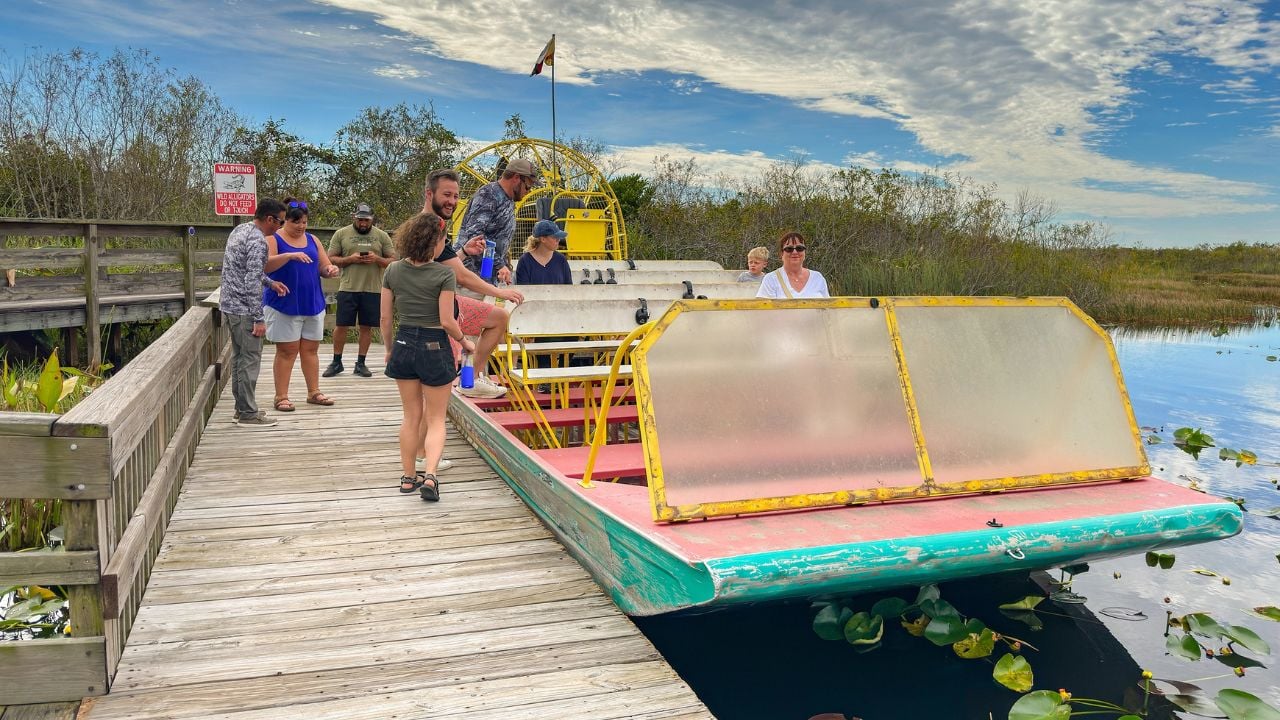
Airboat rides are advertised as a thrilling way to see Florida’s Everglades. While some are worth the money, many tours are short and repetitive.
The rides tend to follow the same routes, with little more than a few birds and a glimpse of water. The excitement wears off quickly.
Tourists pay anyway because it feels like the “authentic” thing to do. Operators know the novelty of the airboat is enough to draw crowds.
For many, the noise of the engine becomes the main memory, not the wildlife they came to see.
Rip-Off Beach Rentals
Florida beaches are famous, but the rental prices can be shocking. A single umbrella and chair often cost as much as a nice meal.
Tourists pay because they don’t want to haul gear or risk being uncomfortable in the sun. The setup looks inviting and easy.
Once the bill arrives, most realize they spent way too much for just a few hours of use.
Locals bring their own supplies, but tourists fall into the trap every season.
12 Classic 1950s Vacation Spots That Don’t Feel the Same Today
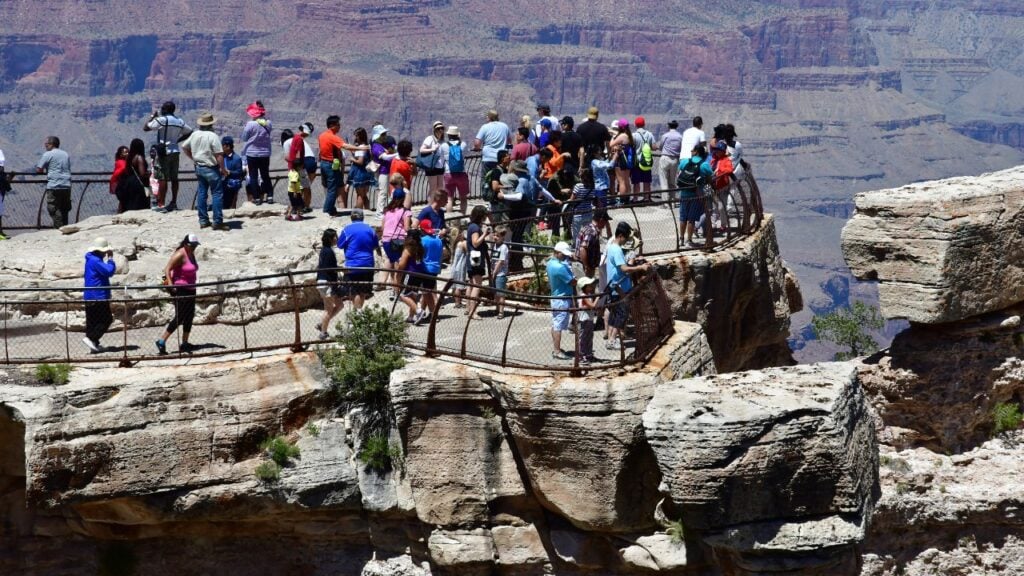
Ask an older American about their favorite ’50s childhood vacation, and you’ll likely hear about a long car ride, a roadside motel, and a few unforgettable stops along the way.
Today, many of those same spots are still around, but they don’t feel quite the same.
12 Classic 1950s Vacation Spots That Don’t Feel the Same Today in the Eyes of Older Americans
How to Travel Without ATM Fees—Really!

How does never paying an ATM fee when you travel sound? Discover the trick to doing just that from a traveler who’s saved hundreds of dollars in ATM fees.
How To Never Pay an ATM Fee Abroad