
15 Unusual Phobias Some Pennsylvanians Live With Every Day

Most Pennsylvanians know someone who’s afraid of spiders or heights. But not every fear is that predictable.
Some phobias are so unusual they sound like they came straight out of a comedy sketch, yet real people live with them every single day.
These aren’t quirks or passing worries. They’re powerful anxieties that can change how people shop, socialize, and even eat lunch.
Here’s a look at some of the most unusual phobias that prove fear doesn’t have to make sense to be real.
Nomophobia (Fear of Being Without a Phone)
Nomophobia is one of the newest phobias, and it comes straight from modern technology. It describes the fear of being without a mobile phone, whether because of a dead battery, poor service, or simply forgetting it at home.
For many, the panic isn’t just about missing a text.
Phones hold maps, banking apps, medical contacts, and connections to loved ones. Losing access can feel like losing security altogether.
People with severe nomophobia may even feel physical symptoms of anxiety when their phone isn’t nearby.
In a world where smartphones have become lifelines, it’s easy to see how this phobia developed.
It may sound silly to some, but a glance around any airport, bus stop, or coffee shop shows how deeply dependent we’ve all become on those glowing screens.
Arachibutyrophobia (Fear of Peanut Butter Sticking to the Roof of the Mouth)
This one almost sounds like a joke, but for those who live with it, the fear is very real.
Arachibutyrophobia is the fear of peanut butter sticking to the roof of the mouth.
To most people, peanut butter is a sticky but harmless snack. To someone with this phobia, the thought of that thick glob clinging to the palate is enough to trigger anxiety or panic.
They may avoid peanut butter altogether or any food with a similar texture.
Even imagining it can make them uneasy.
It might sound like a punchline, but it’s a reminder that fear can grow out of the most ordinary parts of life.
Globophobia (Fear of Balloons)
Balloons are supposed to be festive. They float at birthday parties, parades, and graduation ceremonies.
But to someone with globophobia, they’re objects of dread.
The fear usually centers around the possibility of popping. The sudden loud noise is unpredictable, and the anticipation can feel overwhelming.
For some, even the sight of inflated balloons is enough to cause distress.
Kids with globophobia may avoid parties, and adults may steer clear of stores with balloon displays. What looks cheerful to one person looks threatening to another.
It’s a fear that outsiders rarely consider, yet those who live with it have to constantly navigate a world filled with what others see as harmless decorations.
Pogonophobia (Fear of Beards)
Beards may be stylish again, but for some people, they’re deeply uncomfortable. Pogonophobia is the fear of beards, and it can range from mild dislike to full anxiety.
The cause isn’t always clear.
For some, it may come from cultural associations, sensory discomfort with hair, or a negative personal experience. Whatever the root, the presence of facial hair can be unsettling.
Imagine avoiding social gatherings or certain workplaces simply because of bearded faces.
For someone with pogonophobia, that’s the reality.
While many see beards as fashion or self-expression, this phobia makes them a daily stressor.
Eisoptrophobia (Fear of Mirrors)
Most people glance in a mirror without thinking, but for those with eisoptrophobia, reflections are a source of fear.
This phobia can be tied to anxiety about appearance, superstitions, or a disorienting sense of seeing oneself as “other.”
Living with eisoptrophobia means avoiding bathrooms, clothing stores, or even hallways where mirrors might hang. The constant vigilance can be exhausting.
The fear may sound strange, but it taps into something universal: unease at confronting ourselves too directly.
For someone with this phobia, that unease is amplified into overwhelming anxiety.
It’s one of the rare phobias that hides in plain sight, since mirrors are nearly everywhere.
Omphalophobia (Fear of Belly Buttons)
Omphalophobia is the fear of belly buttons. It may seem bizarre, but for those with it, even seeing or thinking about a navel can cause intense discomfort.
The fear often extends to touching. Doctors’ visits, swimming pools, and beach outings become stressful.
Some may even avoid clothing that exposes the stomach.
For outsiders, it’s an odd thing to worry about. For someone with omphalophobia, it’s a trigger hiding in everyday life.
Even the word itself can make some people cringe.
Triskaidekaphobia (Fear of the Number 13)
Thirteen has long been tied to superstition, but for some people, the fear goes beyond avoidance and turns into a phobia.
Triskaidekaphobia is the intense fear of the number 13.
It’s shaped architecture, where hotels and office buildings skip the 13th floor entirely. It’s influenced airlines, which sometimes avoid labeling a 13th row.
For someone with this phobia, the number isn’t just unlucky. It feels dangerous, and they’ll go to great lengths to avoid it.
It’s proof of how a cultural belief can evolve into a very real anxiety.
Xanthophobia (Fear of the Color Yellow)
Most people see yellow as cheerful. It’s the color of sunshine, flowers, and smiley faces.
But xanthophobia is the fear of yellow itself.
For those with this phobia, anything yellow can trigger discomfort, from bananas and lemons to t-shirts and sticky notes.
The association may be sensory, cultural, or personal.
It can be disruptive, since yellow is nearly impossible to avoid. Imagine trying to shop for groceries while steering clear of an entire color.
It might sound unbelievable, but for those living with it, the fear is both limiting and very real.
Ablutophobia (Fear of Bathing)
Ablutophobia is the fear of bathing or cleaning. It isn’t about laziness, but genuine anxiety about water and the process of washing.
It’s most common in children, though adults can live with it too.
The phobia can make daily hygiene difficult, which may lead to secondary health issues.
Even the thought of bathing can cause stress, and attempts to force it can make the fear worse.
It’s one of those phobias that may seem humorous on the surface, but in reality, it has very serious consequences for quality of life.
Ergophobia (Fear of Work)
Everyone complains about work sometimes, but ergophobia takes it to a different level. It’s the fear of work itself, or tasks connected to employment.
It may be tied to performance anxiety, social fears, or traumatic job experiences.
The phobia makes even simple responsibilities feel overwhelming.
For someone living with it, the workplace isn’t just stressful. It’s terrifying, and the fear can interfere with earning a living.
It’s another reminder that fears often grow out of everyday situations most people take for granted.
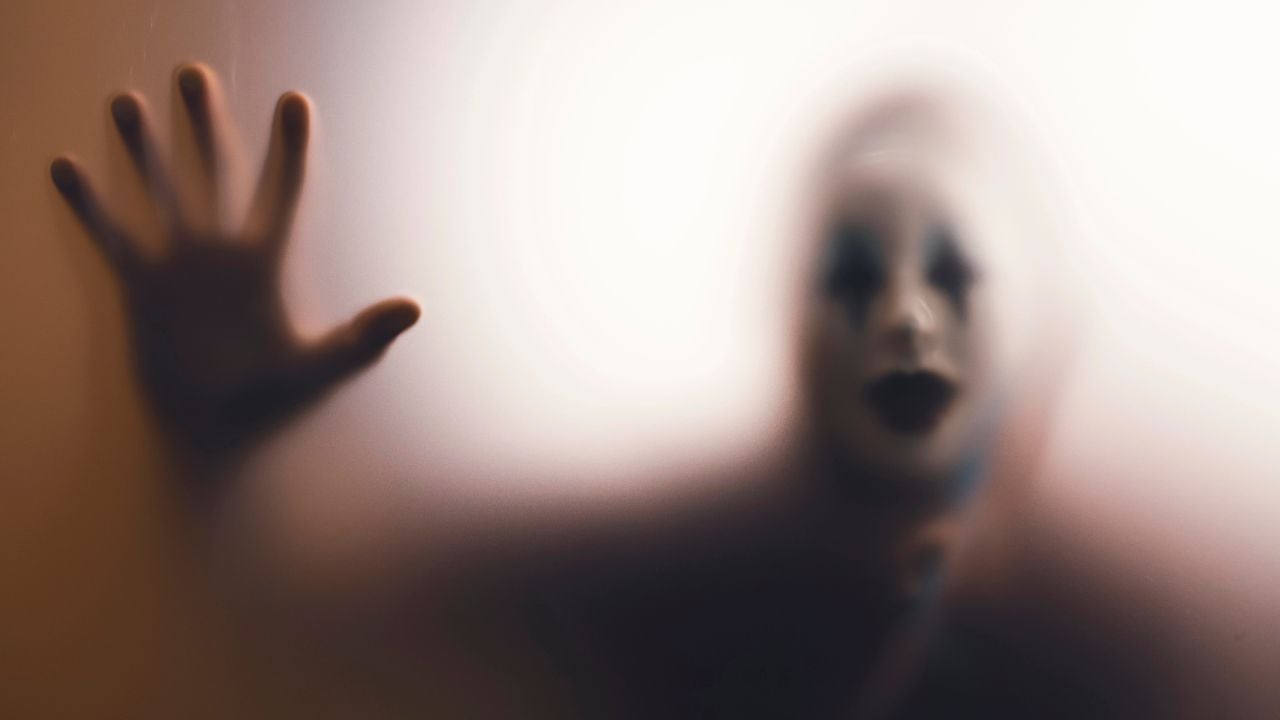
Coulrophobia (Fear of Clowns)
Clowns were meant to be funny, but for many, they’re anything but. Coulrophobia is the fear of clowns, and it’s surprisingly common.
The exaggerated makeup, bright costumes, and unpredictable behavior are unsettling for some people.
Popular culture has only reinforced the fear with scary clown movies and viral pranks.
For someone with coulrophobia, children’s parties, circuses, and parades are stressful, not fun.
It may sound exaggerated, but clowns have a way of striking fear in people across cultures.
Heliophobia (Fear of Sunlight)
Heliophobia is the fear of sunlight. While it may sound like the setup for a vampire story, it’s a real phobia that makes daily life challenging.
The fear may be connected to anxiety about health risks or a deeper, less specific dread of exposure.
For some, it leads to avoiding going outside at all.
Living with heliophobia can mean closed blinds, carefully planned schedules, and constant vigilance about daylight.
For those with it, even a bright forecast feels threatening.
Trypophobia (Fear of Small Holes)
Though not officially recognized in medical manuals, trypophobia has gained attention thanks to the internet. It’s the fear of clusters of small holes.
Images of honeycombs, lotus pods, or sponges can trigger shivers, nausea, or panic for some people.
The reaction is often immediate and powerful.
The cause isn’t fully understood, but researchers suggest it may connect to the brain associating patterns of holes with danger, like diseased skin or venomous animals.
Even without a formal diagnosis, it shows how something as simple as texture can cause intense discomfort.
Taphophobia (Fear of Being Buried Alive)
This is one of the oldest phobias on record. Taphophobia is the fear of being buried alive.
It was far more common in the past, when medical science sometimes struggled to tell the difference between life and death.
Stories of people waking in coffins fueled the fear.
It led to inventions like safety coffins, designed with escape hatches or bells to ring if someone found themselves underground and still breathing.
Even today, the thought alone is enough to cause unease.
Chronophobia (Fear of Time)
Chronophobia is the fear of time itself. It may sound abstract, but for those with it, the passing of time feels threatening.
It’s especially common among people in prison or facing major life changes, but it can affect anyone.
The ticking of a clock, a calendar, or even the idea of deadlines can cause panic.
Living with chronophobia means being hyper-aware of time in a way most people never consider. It can feel like a constant reminder of what can’t be controlled.
It’s proof that not all fears come from things we can see. Sometimes the fear is of time slipping by.
24 Items That Have Alarmingly High Levels of Microplastics
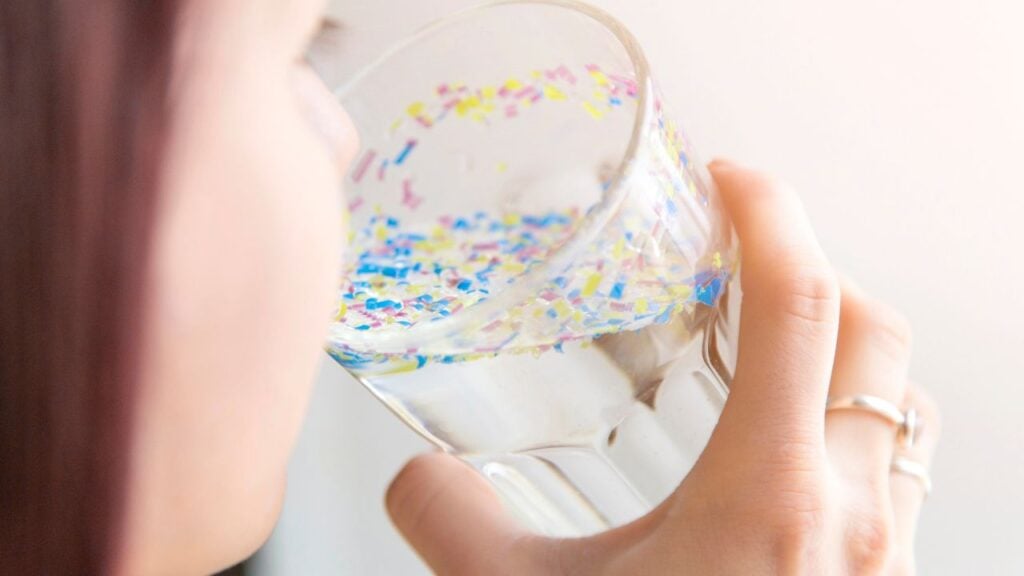
You can’t see, smell, or taste microplastics. But research reveals they’re showing up in our everyday lives.
Here are 24 common items where microplastics hide and why you need to pay attention.
24 Items That Have Alarmingly High Levels of Microplastics
17 Life Hacks That Are Harder Than the Non-Hack

Life hacks are supposed to make your life easier, and sometimes they really do. However, the internet is rife with hacks that aren’t actually effective.
