
16 Winn-Dixie Truths That Will Surprise Louisianians

You’ll be hard-pressed to meet a Louisianian who’s never stepped into a Winn-Dixie. For many families, it’s been the go-to grocery store for decades.
But even loyal shoppers might not know the full story behind the store’s shelves.
From its early roots to a few unexpected twists, Winn-Dixie has a richer history than most people realize. Here are some facts that might make you see it differently.
Winn-Dixie Didn’t Start With That Name
The company didn’t begin as Winn-Dixie. Back in 1925, it was actually called Rockmoor Grocery when founder William Milton Davis purchased it.
It wasn’t until a series of acquisitions and name changes (including Table Supply and Winn & Lovett Grocery Company) that the familiar brand was born.
In 1955, the Winn family bought a company called Dixie Home Stores. They combined the two names and came up with something new: Winn-Dixie.
It stuck, and the name has been part of Southern grocery culture ever since.
The Headquarters Is Still in the South
While many grocery chains have shifted operations to major cities or different coasts, Winn-Dixie has stayed close to its roots. Its corporate headquarters is still located in Jacksonville, Florida.
This Southern base reflects the company’s customer base and its long history in the region.
Being headquartered in Florida also helped Winn-Dixie maintain a strong presence across the Gulf Coast and into the Deep South.
It’s a regional loyalty that has shaped how and where the brand has grown.
It Was Once One of the Largest Supermarket Chains in America
In the 1950s and 1960s, Winn-Dixie wasn’t just a regional favorite. It was a powerhouse.
At one point, it ranked among the top ten grocery store chains in the country and was the most profitable of them all.
It had stores in more than a dozen states and was known for its steady expansion. For many families, a trip to Winn-Dixie was a normal part of weekly life.
Today, its footprint has shrunk some. But its history as a major national player is still a big part of its story.
There’s a Book and a Movie Named After It
The name “Winn-Dixie” made its way into pop culture thanks to the children’s book Because of Winn-Dixie by Kate DiCamillo. The story is about a girl who adopts a dog she finds in a Winn-Dixie store, and the dog changes her life.
The book became a bestseller and was later turned into a movie.
Even though it wasn’t about the store itself, the name gave it a familiar, hometown feel that many Americans recognized.
It’s one of the few grocery store names to show up in a title and become part of a fictional world.
It Operated Under Several Other Names
Many shoppers know the name Winn-Dixie, but over the years, the company has owned and operated stores under different banners. These included names like SaveRite, Thriftway, and Kwik Chek.
This strategy allowed the company to test different markets and appeal to a wider range of shoppers.
In some towns, people had no idea they were shopping at a store owned by Winn-Dixie.
Most of these other names have been phased out, but they were once a big part of the company’s identity.
The Company Filed for Bankruptcy More Than Once
Winn-Dixie has faced some tough times. The company filed for bankruptcy in 2005 and again in 2018 as competition from big-box stores and discount chains increased.
During its financial struggles, many locations were closed, and the company had to reevaluate how it operated.
It was a turning point that forced big changes in pricing, branding, and store layout.
Even with those challenges, the chain managed to survive and rebuild in many areas.
It Was One of the First Stores to Use Private Label Brands
Before store-brand products became mainstream, Winn-Dixie was already experimenting with them.
It was one of the early adopters of private label goods, selling items under names like Thrifty Maid and Prestige.
These products were often cheaper than the big national brands but still good quality. They gave shoppers more options and helped build loyalty to the store.
It’s a strategy that other chains picked up later, but Winn-Dixie was ahead of the curve.
Some Locations Still Have Full-Service Butchers
While many modern grocery stores rely on pre-packaged meat, some Winn-Dixie locations still offer full-service butcher counters.
That means customers can speak directly to a butcher, request custom cuts, or get help with meal planning.
This personal touch is becoming rare in the grocery world, where speed and convenience usually take priority.
Winn-Dixie’s decision to keep this feature in certain stores sets it apart in a crowded market.
It Had Its Own Trading Stamps Program
Like many stores in the mid-20th century, Winn-Dixie participated in a trading stamp program.
Shoppers collected stamps with each purchase, pasted them into booklets, and eventually redeemed them for household goods or toys.
Winn-Dixie’s version was known as “Plaid Stamps,” a popular program that kept customers coming back week after week.
It was a fun way to turn groceries into rewards, and for many families, flipping through the redemption catalog was part of the routine.
The Store Once Had a Popular Weekly TV Commercial Jingle
Winn-Dixie ran memorable television ads in the 1980s and 1990s, and many Americans still remember the tune.
The jingle often focused on themes like family, freshness, and saving money.
For longtime shoppers, hearing the song instantly brought back images of full carts and weekend grocery runs.
While the ads changed over time, that catchy music helped make the brand feel familiar and local, especially in the South.
The Name “Winn-Dixie” Has Nothing to Do With Location
Many people assume Winn-Dixie is a geographic reference. It sounds like it could be the name of a place or a town.
But it’s actually a combination of two businesses: Winn & Lovett and Dixie Home Stores.
When the two merged, the name was born.
It’s one of those names that sounds like it should mean something else, until you learn the story behind it.
Some Stores Had In-House Bakeries and Florists
Winn-Dixie was one of the earlier grocery chains to include specialty departments like bakeries and floral counters inside its stores.
This made the shopping experience feel more complete, offering fresh bread, custom cakes, and bouquets all in one trip.
These sections gave stores a more personal touch and made them stand out from other supermarkets of the time.
While not every location had these features, the ones that did became local favorites for birthdays, holidays, and last-minute gifts.
It Played a Big Role in Southern Food Culture
Winn-Dixie has always had a strong Southern identity.
Its stores cater to local tastes by stocking regional brands, hosting seasonal promotions, and carrying items you can’t always find in national chains.
Products like smoked meats, grits, hot sauces, and Southern-style desserts are front and center on the shelves.
For many families, it isn’t just about convenience, it’s about tradition and feeling at home in the aisles.
Winn-Dixie Stores Were Once Open 24 Hours
Before it became common for stores to operate around the clock, some Winn-Dixie locations offered 24-hour service.
This made it one of the few places where you could grab groceries late at night or early in the morning.
It was especially helpful for shift workers, busy parents, and anyone who needed last-minute essentials.
Over time, most stores cut back their hours, but for a while, Winn-Dixie was known for being there when others weren’t.
The Company Has Changed Ownership More Than Once
Winn-Dixie hasn’t always stayed under the same leadership. Over the years, the company has gone through multiple mergers, sales, and restructuring efforts.
In 2024, it was announced that ALDI acquired Winn-Dixie along with other regional grocery brands. However, the merger didn’t last long; by early 2025, ALIDI had already sold it to a private investor group.
These shifts in ownership have shaped everything from store layouts to pricing strategies.
Some longtime shoppers have noticed the changes, while others still see it as the same store they’ve always known.
11 Mistakes People Make When Shopping at Winn-Dixie

It always starts the same. You walk into Winn-Dixie for “just a few things,” and 45 minutes later, you’re wheeling out two bags of chips, a frozen shrimp tray, three kinds of cereal, and a receipt long enough to use as a scarf.
Whether you’re a loyal weekly shopper or just stopping in for a few things, chances are you’ve made at least one of these common Winn-Dixie mistakes.
11 Mistakes People Make When Shopping at Winn-Dixie
Publix vs. Walmart vs. Winn-Dixie
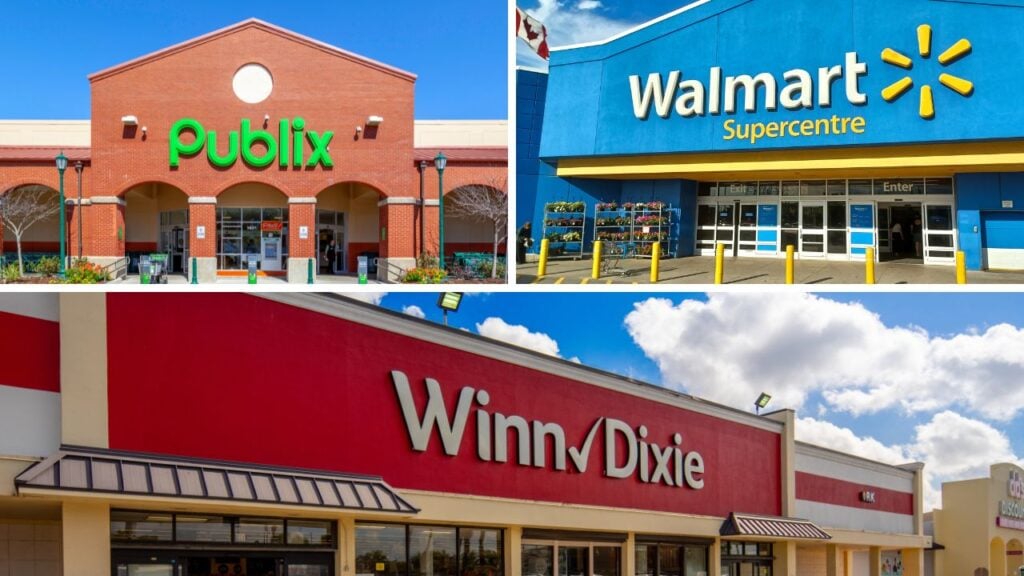
In true bargain-hunter fashion, we pulled from basket price studies, read loyalty-program fine print, and analyzed delivery fees to determine exactly how Publix, Walmart, and Winn-Dixie stack up in value.
Publix vs. Walmart vs. Winn-Dixie: Who Really Gives Customers the Best Bang for Their Buck?
A Blast from the Past
Winn-Dixie may have changed over the years, but your grocery store personality might still be stuck in a different time. Are you more of a 1950s shopper with a love for loyalty stamps, or a 1980s deal-hunter with a cart full of canned goods?
Take our Decade DNA Quiz to find out which decade truly matches your personality.
Meet Your Match. Discover Your Decade DNA. (Your Vintage Roots Are Showing)