
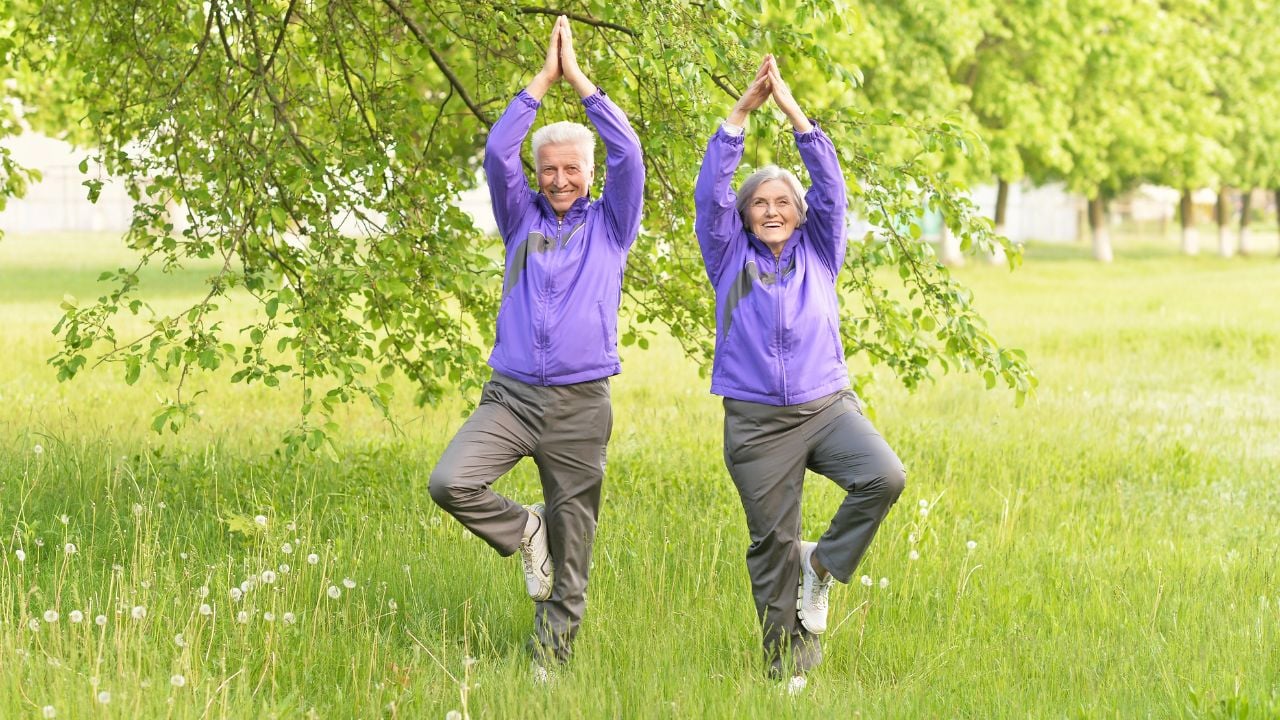
17 Everyday Moves That Improve Balance as Floridians Age

As we get older, balance isn’t something to take for granted. It affects everything from walking down stairs to catching yourself when you trip.
The good news is that you don’t need fancy equipment or hours at the gym to stay steady. A few simple moves done throughout your day can make a big difference.
Here are everyday moves that improve balance as Floridians age. They’re easy to sneak in, surprisingly effective, and completely doable at home.
Stand on One Leg While Brushing
Balancing on one leg while doing something routine, like brushing your teeth, trains your stabilizing muscles without needing to set aside extra time.
It wakes up the small muscles in your ankles and feet that keep you steady.
Start with 10–15 seconds per leg, holding onto the sink for support if needed.
Over time, try letting go lightly or even closing your eyes to challenge your balance further.
This move also encourages your brain to stay engaged, since multitasking while balancing requires coordination. Think of it as a mini workout that fits perfectly into your daily routine.
Heel-to-Toe Walking in the Hallway
Heel-to-toe walking mimics the movements used in balance assessments. It forces your core, hips, and ankles to work together to maintain stability.
A hallway is ideal for this, since you can use the wall for support if needed.
Walk slowly, placing your heel directly in front of your toes with each step, like you’re on a tightrope. Keep your gaze forward instead of looking down at your feet.
Just a few passes up and down the hallway each day can strengthen your gait and improve your ability to recover from slips.
Over time, this simple walk can reduce wobbliness and build confidence in daily movement.
Shift Your Weight While Doing Chores
Household chores don’t have to be mindless tasks. Shifting your weight deliberately while doing them turns daily movements into balance training.
For example, when washing dishes, lean slightly side to side. When folding laundry, stand with your feet close together and shift your weight forward and back.
These controlled weight shifts strengthen your core and train your brain to make tiny adjustments that keep you upright.
They also improve your body’s response time, which is crucial for catching yourself if you start to fall.
The beauty of this move is how easily it fits into your existing routine, without adding extra steps to your day.
Rise Up on Your Toes at the Counter
Calf raises are a classic for a reason. Rising up onto your toes strengthens the lower legs and ankles, which are essential for balance.
Doing them at the kitchen counter gives you something to hold if needed.
Simply lift your heels off the floor, hold for a second or two, then slowly lower back down. Repeat 10–15 times, working up to multiple sets as your strength improves.
Over time, this move enhances your ability to stand steady, reach overhead, or walk on uneven ground without losing your balance.
Practice Mini Squats While Waiting
Instead of idly standing while waiting for the microwave or coffee to brew, use that time for mini squats. They build leg strength and improve hip mobility, both of which are key for maintaining balance.
Keep your feet hip-width apart and lower your body a few inches as if you’re sitting into a chair, then stand back up.
Even a shallow range of motion can make a difference.
Regular mini squats also strengthen your glutes, which play a major role in stabilizing your pelvis and spine. Stronger legs mean better balance in every part of your day.
March in Place During TV Breaks
Marching in place gets your heart rate up while challenging your coordination.
Lifting your knees high engages your hip flexors and core, while swinging your arms helps improve rhythm and stability.
Do this during commercial breaks or in between episodes to make it a habit.
You can make it harder by slowing the movement down, closing your eyes, or standing on a less stable surface like a yoga mat.
This simple march not only improves balance but also boosts circulation and keeps your joints moving, a win-win for aging bodies.
Side Steps While Cooking
Cooking time is the perfect opportunity to sneak in some side steps. This simple lateral movement works the hips, glutes, and inner thighs, all crucial for stabilizing your lower body.
As you wait for water to boil or food to simmer, take slow side steps across your kitchen, then back again.
Keep your knees slightly bent and your core engaged.
Side-stepping improves coordination in ways that forward walking doesn’t.
Over time, it makes everyday tasks like stepping off curbs or navigating tight spaces safer and more fluid.
Balance on a Pillow During Tasks
Standing on a slightly unstable surface, like a folded towel or firm pillow, forces your ankles and core to make tiny corrections. This is a gentle way to mimic uneven terrain indoors.
Start by standing on one leg on the pillow for a few seconds at a time while holding onto a counter.
As your confidence grows, try balancing without holding on or adding small arm movements.
This kind of training improves your proprioception, or your body’s ability to sense its position in space, something that tends to decline with age but can absolutely be retrained.
Turn Slowly in Circles
Spinning quickly can make anyone dizzy, but slow, deliberate turning is excellent for improving balance and coordination.
Stand with your feet hip-width apart and turn in a slow circle, taking small steps.
Focus on keeping your head level and your movements controlled. This kind of gentle rotation trains your inner ear (vestibular system) and teaches your body how to stabilize through turns.
Many falls happen when people turn too fast or lose their bearings. Practicing slow turns builds awareness and helps reduce those risks in real life.
Tree Pose While on the Phone
Tree pose isn’t just for yoga class. It’s a fantastic way to build balance while doing something as simple as chatting on the phone.
Place one foot against the inside of your opposite calf or thigh, depending on your comfort level, and bring your hands together at your chest or keep one hand free.
This pose strengthens your legs, improves posture, and engages your core.
Doing it during everyday conversations helps build balance without setting aside extra time in your day.
Step Over Imaginary Obstacles
Imagine a line of shoes, toys, or small hurdles in front of you and slowly step over each one.
Lifting your knees and placing your feet deliberately improves coordination, hip mobility, and lower body strength.
This exercise mimics real-life situations like stepping over cords, curbs, or uneven ground. It’s especially helpful for retraining the body to take controlled, high steps that prevent tripping.
You can make it more challenging by stepping backward over the same imaginary obstacles, which forces your brain to work even harder.
Do Heel Raises While Waiting in Line
Whether you’re at the grocery store or the pharmacy, waiting in line can turn into a mini balance session.
Heel raises strengthen your calves and ankles, improving your ability to stay steady in everyday situations.
Lift your heels slowly and hold for a moment before lowering down with control. If the line’s long, you can fit in several sets without anyone noticing.
This simple movement also improves circulation in your lower legs, which is a nice bonus for overall health.
Walk Backward Down the Hall
Walking backward gently challenges your coordination and uses muscles you don’t typically engage during forward movement.
It’s also excellent for training your brain to adapt to new patterns.
Choose a hallway or open area free of obstacles. Take slow, deliberate steps backward, keeping your gaze forward as much as possible.
This exercise helps strengthen your hamstrings and glutes while giving your balance system a fresh challenge. Just make sure the path is clear before starting.
Practice Standing Tandem While Reading
Tandem stance, standing with one foot directly in front of the other like you’re on a balance beam, is a classic balance builder.
Doing it while reading or scrolling on your phone makes it an easy habit to sneak into your day.
Start with 15–30 seconds and switch which foot is in front. Keep your core engaged and your gaze steady.
Over time, this stance improves stability, especially when standing in narrow spaces or navigating crowded areas.
Gentle Lunges During Breaks
Lunges strengthen your legs, hips, and core while challenging your stability in a dynamic way.
They mimic everyday movements like stepping forward to pick something up or catching yourself if you lose balance.
During breaks in your day, do a few gentle lunges, keeping your movements slow and controlled. Hold onto a chair or wall if needed for support.
These mini sessions build functional strength and train your body to handle shifts in weight, a key part of preventing falls.
Use a Balance Aid for Added Variety
Using household items like a broomstick, countertop, or sturdy chair can provide support as you try slightly more challenging moves.
For example, you might practice balancing on one leg while lightly touching the broomstick for stability.
This type of assisted balance work helps build confidence while still engaging your muscles. Over time, you can reduce your reliance on the aid as your balance improves.
The key is to challenge yourself just enough without feeling unsafe, making these exercises approachable for a wide range of abilities.
Combine Movements for a Mini Routine
Once you’re comfortable with individual exercises, combining them into a short routine can keep things interesting and boost your results.
For example, you could stand on one leg while brushing your teeth, then do a set of heel-to-toe walks, followed by some side steps while cooking.
Creating a mini flow like this turns scattered exercises into a consistent practice that strengthens your balance system daily.
You can mix and match based on your space and energy level. What matters most is consistency and variety, both are essential for long-term improvement.
24 Items That Have Alarmingly High Levels of Microplastics
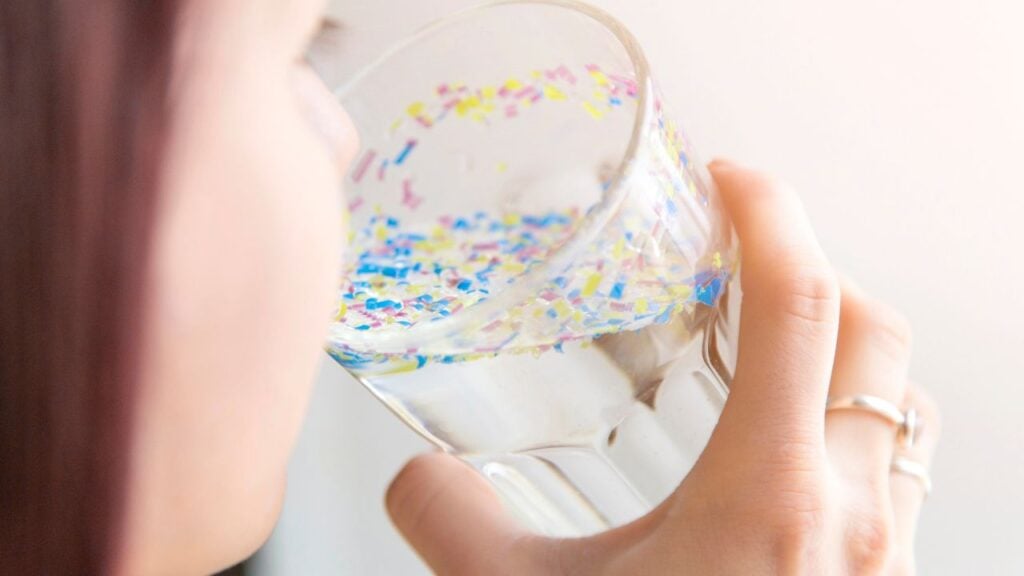
You can’t see, smell, or taste microplastics. But research reveals they’re showing up in our everyday lives.
Here are 24 common items where microplastics hide and why you need to pay attention.
24 Items That Have Alarmingly High Levels of Microplastics
17 Life Hacks That Are Harder Than the Non-Hack

Life hacks are supposed to make your life easier, and sometimes they really do. However, the internet is rife with hacks that aren’t actually effective.
17 Life Hacks That Are Harder Than the Non-Hack
Which Classic American Decade Is Totally You?
Take a quick break and discover which classic American era matches your personality and old-school soul. Our Decade DNA Quiz is fast, fun, and full of feel-good retro energy.
Meet Your Match. Discover Your Decade DNA. (Your Vintage Roots Are Showing)

