

17 Household Cleaning Habits That Spread Microplastics Without Californians Realizing

Most Californians think cleaning makes their home healthier. But what if some of your habits are actually doing the opposite?
From tossing dryer sheets in with your laundry to scrubbing with sponges that look harmless, these everyday routines may be releasing invisible microplastics into your home.
We’re warning you now: once you read through this list, you’ll never look at your favorite cleaning tools the same way.
Using Melamine “Magic” Sponges
Melamine sponges, or “magic erasers”, wipe away scuffs with ease, but each scrub releases millions of fibers. One study found a single sponge can shed 6.5 million particles per gram.
Because the flecks are invisible, it feels like nothing’s happening, but they end up in water and air.
It’s basically cleaning your wall while dirtying the environment.
Switch to bamboo brushes, loofahs, or steel wool for the same results without the plastic fallout.
Washing Synthetic Fabrics in Hot Water
Your laundry room is one of the biggest microplastic factories in the house. Every time you wash polyester, nylon, or acrylic, the fibers break off. The hotter and rougher the wash, the more they shed.
According to Naturepedic, millions of fibers per load can make their way through wastewater systems and into rivers.
Because the lint isn’t obvious in water, people think washing is harmless. But wastewater treatment plants can’t catch them all.
So those yoga pants you wore once before tossing into the wash?
They might be creating more microplastics than you realize.
Using Disposable Cleaning Wipes
Disinfecting wipes are convenient, but here’s the catch: many are made of plastic fibers.
When they’re tossed, flushed, or even just used on a counter, they can leave behind synthetic particles. SELF reports that these wipes often contain polyester or polypropylene.
We think of them as “paper-like,” but unlike a paper towel, they don’t break down. They just add to the microplastic problem.
The irony?
A wipe meant to sanitize can actually spread invisible contaminants. It’s the germ-free illusion at its finest.
Switching to cotton rags, old T-shirts, or linen towels keeps things both clean and sustainable.
Dusting With Microfiber Cloths
Microfiber cloths are marketed as eco-friendly because they’re reusable. But here’s the kicker: they’re made from plastic.
With every wipe and every wash, they shed particles. SELF highlights microfiber as a hidden culprit in household dust.
We can’t see those fibers floating around, but studies show they’re in indoor air and dust bunnies alike.
It’s like swapping paper towels for something reusable, only to create a new problem in return.
Cotton, muslin, or hemp cloths offer the same streak-free clean, no plastics involved.
Heating Food In Plastic Containers
It feels normal to microwave leftovers in the plastic takeout box. But heating weakens plastics, releasing microplastics into food. A review in ScienceDirect found that scratched utensils and heated containers both shed alarming levels.
We don’t taste it. We don’t see it. That’s why Americans shrug it off.
Yet it means your pasta reheat might come with an invisible side of plastic garnish.
Glass Pyrex or ceramic dishes are safer bets. If a plastic container is cloudy or cracked, it’s time to retire it.
Overusing Plastic Cleaning Bottles
Most Americans grab all-purpose cleaners in plastic spray bottles without thinking twice. But packaging breaks down, and some cleaning products even contain plastic polymers themselves.
The Washington Post reported that some “eco” cleaners hide microplastics right on the label.
It’s a classic case of “greenwashed” marketing.
That shiny new spray bottle might be delivering more plastic to your home than germs it kills.
Buying refill concentrates, glass bottles, or even making vinegar-based cleaners helps reduce the load.
Using Dryer Sheets
Dryer sheets feel soft and smell fresh, but many are made with polyester or coated with synthetic softeners.
Once heated, they contribute microplastics. Better Homes & Gardens warns they add to indoor air particles.
We imagine we’re just “freshening laundry,” but it’s more like seasoning the air with plastics.
Americans love that signature “dryer sheet smell”, but rarely stop to think about what makes it linger.
Wool dryer balls or skipping sheets altogether gives you softness without plastic residue.
Tumble Drying Synthetic Clothes
Dryers aren’t innocent either. The tumbling motion sheds microfibers far more than air drying. Lint traps catch the big stuff, but the smallest particles slip past.
As Better Homes & Gardens also pointed out, many of these fibers bypass filtration entirely.
It feels efficient and normal, especially in colder climates. But the tradeoff is hidden in the air.
Think of a dryer as a snow globe for plastic dust, swirling around with every cycle.
Air drying clothes, on racks indoors or a line outside, cuts down microfiber release dramatically.
Vacuuming Without A HEPA Filter
Dust is a cocktail of fibers, dander, and plastic particles.
Without a HEPA filter, vacuums can spit that mix right back into the air. AARP explains that indoor dust is now recognized as a significant microplastic source.
Because we see the vacuum bag filling up, we assume the job is done. But it’s what escapes we don’t notice.
It’s like trying to catch confetti with a fishing net, you’ll always miss the smallest bits.
A vacuum with HEPA or water filtration helps trap the fine particles before they circulate again.
Dust Around
Sweeping might feel satisfying, but it stirs microplastics into the air instead of removing them.
The particles settle on surfaces and food prep areas afterward. As AARP also emphasized, damp cleaning works better.
We feel productive, but really, we’re just relocating plastic dust.
Inhaling those particles daily compounds over time.
A damp mop or cloth does a far better job of locking particles in place.
Wearing Shoes Indoors
Shoes track in plastic fragments from synthetic road dust, packaging debris, and tire wear.
Those particles get ground into carpets and rugs, where vacuums spread them around. AARP also highlights this as a sneaky microplastic entry point.
Americans often see “shoes off” as a cultural quirk, not a health choice.
But in practice, it’s like sprinkling microplastics into your living room with every step.
A shoe-free policy at the door drastically cuts what enters.
Using Plastic Cutting Boards
Every knife slice leaves grooves on plastic cutting boards, and those grooves release microplastics. ScienceDirect shows these particles make their way into food.
We assume cutting boards are durable and safe. But daily chopping quietly adds invisible plastic seasoning to meals.
It’s unsettling to imagine plastic alongside your diced tomatoes.
Switch to bamboo or wood boards that wear more naturally.
Cooking With Plastic Utensils
Plastic spoons and spatulas might not look dangerous, but heat exposure breaks them down. ScienceDirect confirms heated utensils are a microplastic source.
Because they’re colorful and lightweight, we think of them as harmless tools.
But stirring hot soup with a plastic ladle means more than flavor transfer.
Silicone, stainless steel, or wooden utensils are safer choices.
Using Plastic Food Storage Wraps
Plastic cling wrap clings because of polymers that can shed over time. When wrapped directly on food, it creates a microplastic pathway. Washington Post notes even eco-marketed wraps often contain synthetic blends.
We love the convenience, but it’s not as harmless as it looks.
That snug cover on last night’s leftovers might not be as protective as it seems.
Wax wraps, silicone lids, or simple glass containers make better substitutes.
Using Cheap Plastic Water Bottles
Reusable bottles are great, until they scratch.
Worn plastic bottles release microplastics into every refill. Naturepedic also warns repeated use of degraded plastics multiplies exposure.
We often feel virtuous carrying a refillable bottle. But cheaper plastics don’t hold up.
Scratches, heat, and dishwashers speed up shedding.
Invest in stainless steel or glass bottles that won’t break down over time.
Using Plastic Bristle Brooms
Traditional brooms with plastic bristles shed fibers each time they sweep across floors. Those broken bristles don’t just disappear; they become part of indoor dust.
AARP identifies synthetic bristles as a microplastic contributor.
Since sweeping looks so harmless, Americans rarely think of their broom as “plastic waste.” But over months, those broken ends add up.
The irony? The tool meant to remove dirt ends up sprinkling microplastics into the very dust you’re trying to get rid of.
Switching to brooms made of natural straw or coconut husk solves the problem without losing effectiveness.
Using Carpet Freshening Powders
Powder fresheners sprinkled on carpets often contain synthetic fragrances and plastic-based carriers.
When vacuumed, they break down and linger in dust. Washington Post highlights that home cleaning products often contain hidden polymers.
We think we’re just deodorizing a rug. But in reality, we’re embedding microplastics into fibers people walk on every day.
That “fresh scent” often sticks around longer than it should, because it’s made of plastic.
Natural alternatives like baking soda do the job without leaving behind synthetic traces.
24 Items That Have Alarmingly High Levels of Microplastics
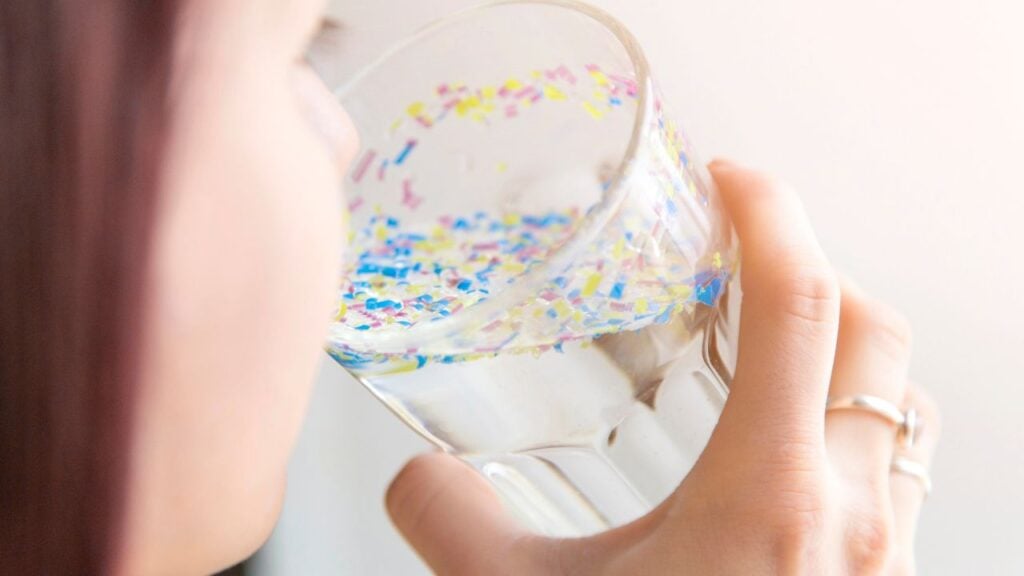
You can’t see, smell, or taste microplastics. But research reveals they’re showing up in our everyday lives.
Here are 24 common items where microplastics hide and why you need to pay attention.
24 Items That Have Alarmingly High Levels of Microplastics
17 Decor Items That’ll Make Your Home Look Cheap

No one wants to hear their home looks cheap. But sometimes, a cheap-looking home doesn’t reflect what you spent on it. It reflects the decor you chose.
17 Decor Items That’ll Make Your Home Look Cheap
Think You Belong in a Different Decade?
From big bands to big hair, our playful Decade DNA Quiz reveals which classic American era fits your personality best. It’s fast, fun, and full of vintage flair.
Meet Your Match. Discover Your Decade DNA. (Your Vintage Roots Are Showing)

