
17 Reasons Being a Missouri Kid in the ’40s Was the Best Despite Times Being Tough

The world was a scary place at the start of the 1940s. But despite the challenges of World War II, life moved slower in some ways.
There were no instant distractions or online games for kids. Just long summer days, chores that built character, and real face-to-face friendships.
These are some of the things that made the 1940s so special despite the world spending the first half of the decade at war.
Radios Were the Center of Entertainment
Before television took over living rooms, radios were the heartbeat of the home. Families would gather around to listen to shows, news updates, and live music.
For kids, radio time meant adventure.
There were thrilling serials like The Lone Ranger and Little Orphan Annie. These programs sparked imaginations and kept children glued to their seats.
Kids didn’t just listen; they acted out the stories later with their friends. A wooden spoon might become a sword, and a backyard turned into the Wild West.
Even with no screen to watch, the excitement was real and memorable.
Wartime Scrap Drives Made Kids Feel Like Heroes
During World War II, kids were encouraged to pitch in by collecting scrap metal, rubber, and paper for the war effort. It wasn’t just busywork. It made them feel like they were helping the country.
They gathered old pots, tires, newspapers, and even tin foil. Schools and neighborhoods would compete to see who could collect the most.
Even though they were young, kids took this job seriously. They understood that their efforts mattered.
It gave them a strong sense of purpose and pride at an early age.
Toys Were Simple but Full of Imagination
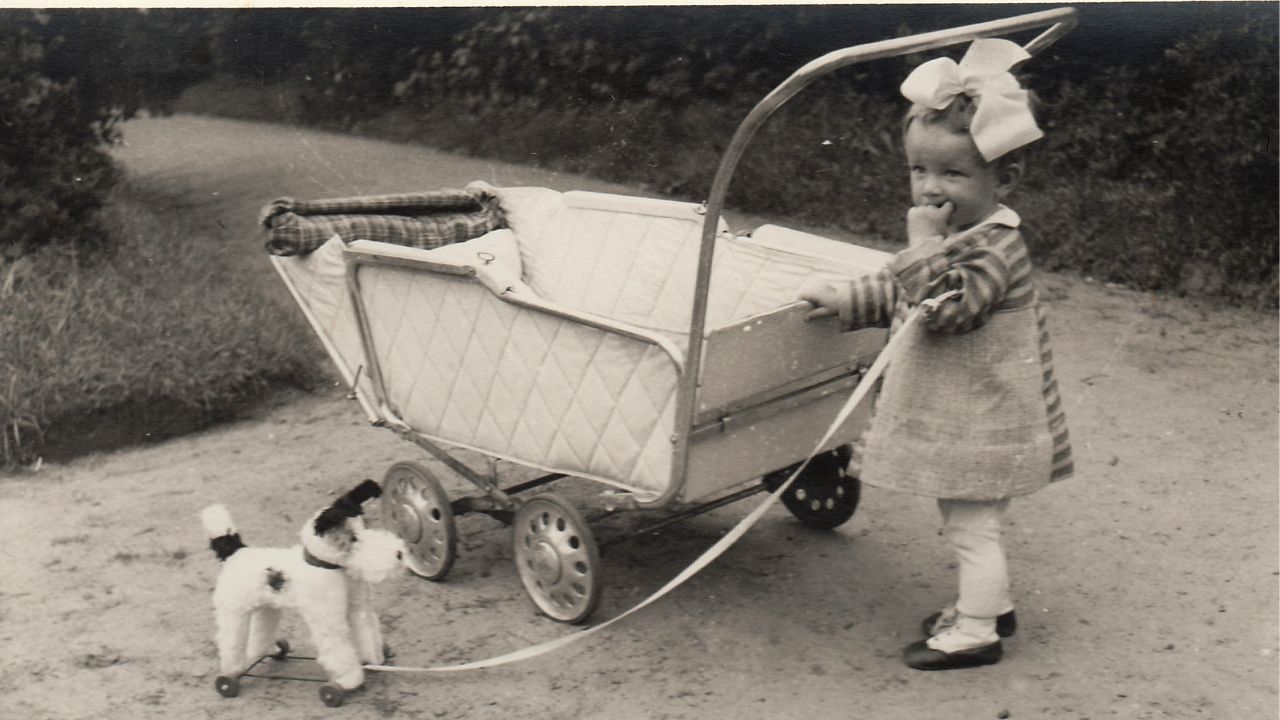
Toys in the 1940s didn’t light up or talk, but they had something better: The power to unlock creativity.
A yo-yo, a jump rope, or a bag of marbles could entertain for hours. Kids made dolls from cloth, built forts from scrap wood, and invented games on the spot.
Most toys were passed down or handmade, which made them feel special.
They weren’t trendy. They were treasured.
These simple playthings taught kids how to create their own fun, not just wait for it to be handed to them.
Siblings and Neighborhood Kids Were Your Crew
In the 1940s, most kids didn’t have packed schedules. They had chores and school, but afternoons were open for free play.
You didn’t need a text message to know where your friends were. You’d hear them outside or see the pile of bikes in someone’s front yard.
Siblings and neighbors made up the ultimate playgroup. Games like Red Rover, stickball, or hide-and-seek needed no gear and no permission slip.
Friendships were built in backyards and on sidewalks, not through screens.
School Taught More Than Just Reading and Writing
Schools in the 1940s were strict, but they were also steady. Teachers expected good manners, clear handwriting, and respect in the classroom.
Kids memorized multiplication tables, learned cursive, and stood for the Pledge of Allegiance every morning.
More than that, they learned discipline, responsibility, and how to be part of a group. Getting in trouble meant a serious talk, and maybe even a letter home.
Even though the buildings were simple, the lessons stuck with kids for life.
Meals Were Homemade and Shared Together
Fast food didn’t exist the way it does now. In the 1940s, most families ate together at home, and meals were cooked from scratch.
Dinners might include meatloaf, boiled potatoes, or creamed corn. Bread was buttered by hand, not pulled from a plastic bag.
Mealtime was family time. Kids helped set the table, passed dishes around, and stayed put until everyone was finished.
Even if the meals were modest, the togetherness made them feel rich.
Clothing Was Built to Last and Passed Down With Pride
In the 1940s, kids didn’t have overflowing closets. Clothes were simple, sturdy, and often handed down from older siblings or cousins.
Many moms sewed dresses and patched holes in pants to stretch a wardrobe a little further. Shoes were shined, not tossed when scuffed.
And even if a shirt was a little too big or a dress a little too faded, kids wore them proudly. Clothes were cared for, not casually replaced.
This made kids more appreciative of what they had, and taught them how to take care of it.
Chores Were a Normal Part of Growing Up
Every kid in the 1940s had chores. Whether it was drying dishes, sweeping the floor, or helping in the garden, everyone pitched in.
There wasn’t much negotiation or whining about it. Doing your part was expected and often rewarded with a pat on the back or a slice of pie.
These daily tasks taught responsibility, time management, and the value of hard work.
Even simple jobs helped kids feel useful and capable, which is something that sticks for a lifetime.
Saturday Matinees Were a Weekly Highlight
For a nickel or a dime, kids could spend Saturday afternoon at the movies. The local theater was a magical place with newsreels, cartoons, and thrilling double features.
These outings gave kids a break from chores and a window into exciting new worlds. Cowboys, detectives, and space heroes filled the screen.
Most kids sat through hours of films with a bag of popcorn and wide eyes. It was entertainment they looked forward to all week.
The theater was more than a building. It was a beloved part of childhood.
Penny Candy and Ice Cream Parlors Were a Treat
You didn’t need a twenty-dollar bill to feel rich as a kid in the 1940s. A handful of pennies could get you a bag of sweets at the corner store.
Jawbreakers, licorice, and root beer barrels were just some of the favorites. Local shops often had glass jars full of candy that kids could point to and choose from.
An ice cream cone on a hot day felt like the ultimate reward. Whether you had vanilla, chocolate, or strawberry, it tasted perfect every time.
These little indulgences made ordinary days feel special.
Front Yards Were for Play, Not Just for Show
Kids didn’t need fenced-off playgrounds or plastic jungle gyms. The front yard was their kingdom.
Games like tag, hopscotch, and kick the can filled the afternoon. Kids jumped rope on sidewalks and rode bikes down the block until the streetlights came on.
Parents kept an eye out from the porch, but kids were mostly trusted to roam close to home.
It was outdoor play that came with scraped knees, messy hands, and big grins.

Bedtime Stories and Lullabies Were the Nightly Routine
Screens didn’t light up bedrooms in the 1940s. Instead, the last sounds kids heard before sleep were soft lullabies or bedtime stories.
Parents or older siblings would read from worn-out books or make up stories from memory. Sometimes the radio would play a gentle tune as the house got quiet.
These routines made bedtime feel cozy and safe. The day didn’t end with scrolling. It ended with imagination and love.
And those peaceful nights are often the memories that stuck the longest.
Libraries and Books Were a Window to the World
Public libraries were a treasure trove for curious kids. A single library card opened up endless adventures through books.
Reading was a popular way to pass the time, especially in homes without a television. Kids devoured books about animals, faraway places, and brave characters.
Librarians were friendly guides, always ready to recommend a good read. Best of all, books were free, and returning them on time was a lesson in responsibility.
For many kids in the 1940s, reading wasn’t just fun. It felt like freedom.
Home-Made Fun That Didn’t Cost a Dime
Back in the 1940s, kids didn’t need expensive toys or gadgets to have fun. They made up games using sticks, rocks, buttons, and bottle caps.
Hopscotch was drawn with chalk on the sidewalk. Tin cans became part of backyard obstacle courses. String and paper turned into homemade kites.
This kind of fun didn’t cost anything, but it sparked creativity and teamwork. Kids learned how to entertain themselves with whatever they had on hand.
It was playtime built on imagination, not plastic.
Sunday Was for Church, Family, and Rest
Sundays in the 1940s had a special rhythm. Most families dressed in their best clothes and went to church in the morning. Afterward, they shared a big meal together at home.
The rest of the day was quiet. Stores were often closed, and no one was in a rush.
Kids spent time with their families, played outside, or read quietly indoors. The slower pace helped them reset before the school week began.
It was a day that felt different and meaningful, even to young minds.
Letters in the Mail Were a Big Deal
Getting a letter in the 1940s was an exciting moment, especially for kids. It meant someone thought of you, took the time to write, and maybe even added a little surprise inside.
Pen pals were common, and many kids exchanged letters with cousins, friends who moved away, or even soldiers overseas.
The mailbox held the promise of connection and curiosity. A handwritten envelope could brighten an entire week.
Learning to write letters also taught patience and the joy of meaningful communication.
Board Games Brought Everyone to the Table
Games like Monopoly, checkers, and Sorry! were regular fixtures in the 1940s household. Families played together around the dining room table after dinner or on quiet evenings.
There were no flashy graphics or online opponents. Just a simple board, a few pieces, and a lot of laughter.
These games helped kids learn how to win and lose with grace. They also brought families closer, turning everyday nights into something memorable.
For many kids, board games were the highlight of the week.
Are You a 1940s Child at Heart?
Your favorite pastimes, routines, and values might say more about your inner child than you think.
Take our Decade DNA Quiz and discover if your personality belongs to the 1940s or another classic American decade.
Meet Your Match. Discover Your Decade DNA. (Your Vintage Roots Are Showing)

17 Common-Sense Rules Everyone Knew in the 1940s That No One Follows Today

Common sense wasn’t something you had to study in the 1940s. It was baked right into everyday life, like apple pie or ironing your best shirt for Sunday church.
These are some of those everyday rules everybody knew and too many people forget now.
17 Common-Sense Rules Everyone Knew in the 1940s That No One Follows Today
19 Historical U.S. Myths That Annoy History Buffs to the Core

If your teacher taught it in history class, it’s normal to assume it’s true. Ask any historian, though, and you might be surprised to learn the stuff of school history lessons is often riddled with inaccuracies.
19 Historical U.S. Myths That Annoy History Buffs to the Core
